 Vietnamnet.vn

 Podcast


Countries reassess AI strategies amid chip restrictions
Nguyen Van Khoa, chairman of the Vietnam Software and IT Services Association (VINASA), made the remarks at the opening of AI360 - Vietnam Artificial Intelligence Forum 2026, held in Hanoi on November 18.
Describing the shift toward artificial intelligence as a major revolution, Khoa said Vietnam was among the countries advancing most rapidly in the global AI race. Countries and businesses that successfully capitalize on the AI era could achieve significant breakthroughs, he said.
He also referred to recent controversy surrounding Jensen Huang, whom the original report described as Nvidia's former CEO. On November 17, the US government introduced new restrictions on sales of advanced chips to five countries.
According to Khoa, the developments have prompted countries to reassess their strategies for technology infrastructure, AI platforms and human resources.
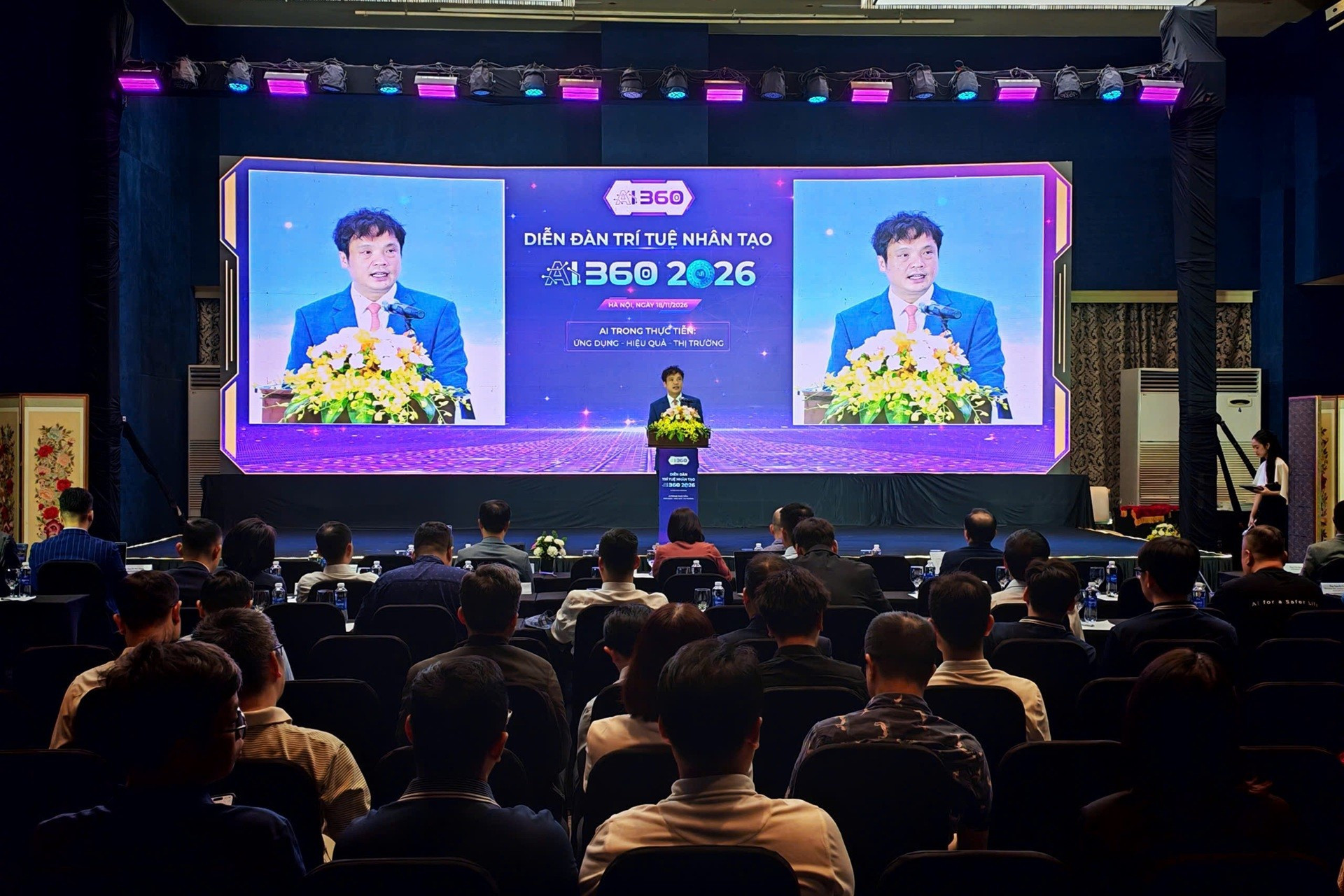
Vietnam's national AI strategy sets several specific targets. By 2030, the country aims to rank among Southeast Asia's top three nations in AI research and development, integrate AI into all online public services, and establish 10 Vietnamese AI brands capable of competing regionally and internationally.
By 2045, Vietnam aims to become one of Asia's top 10 countries in artificial intelligence.
"Legislation has paved the way, and the strategy has set the direction. 2026 is the year Vietnam's AI moves into practical operation," Khoa said.
The strategy emphasizes that AI's value must be measured through productivity gains. This principle is reflected in the theme of this year's AI360 forum, "AI in Practice: Applications and Effectiveness."
From a government perspective, Tran Anh Tu, deputy director of the Department of Digital Technology and Artificial Intelligence under the Ministry of Science and Technology, said the same principle should guide policy implementation.
The challenge, he explained, is to integrate AI responsibly into everyday work while generating tangible benefits for citizens, businesses and the broader economy. Vietnam's national AI transformation must also be closely linked to developing domestic technological capabilities.
Tu said Vietnam's Law on Artificial Intelligence, together with its legal framework and implementation guidelines, had been finalized, providing a foundation for managing risks while encouraging innovation.
AI capabilities must be driven by market demand
Tu outlined four priorities for implementing AI transformation.
First, organizations should focus on measurable results. Leaders must identify priorities, establish clear objectives and assign specific responsibilities. The use of AI in research and development to create new products should also be encouraged.
Second, AI capabilities must be developed in response to market demand. Specific application needs should be translated into clearly defined problems that organizations need to solve.
This would provide a basis for government agencies to commission projects, procure services or make purchases in accordance with existing regulations.
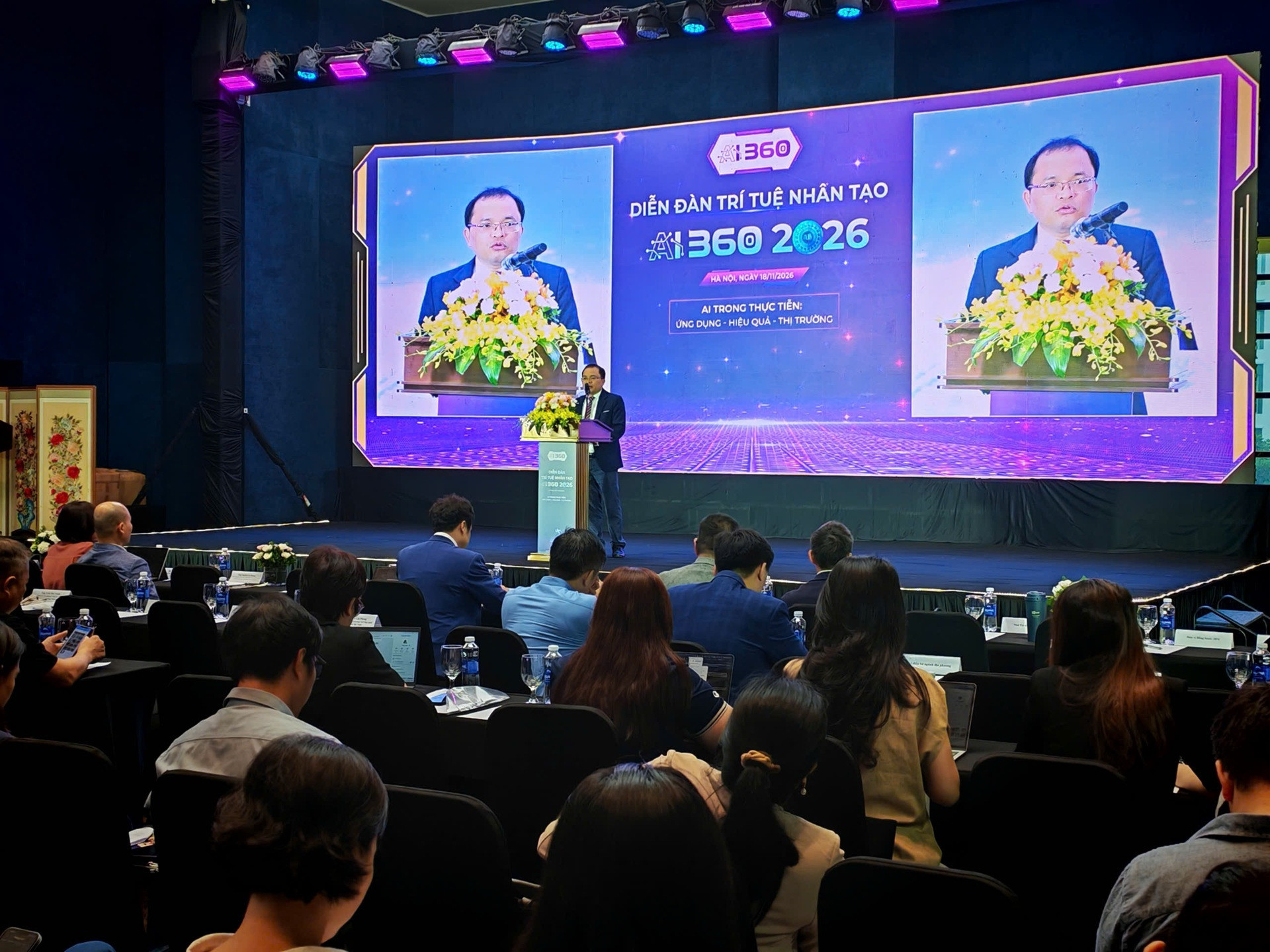
Tu encouraged Vietnamese businesses to use the domestic market to refine their products while preparing to meet international requirements for standards, data, ownership rights and service quality.
Third, expanding access to AI resources requires greater sharing of computing capacity, common AI models and development environments.
AI services should be tailored to users' operational scale, financial capacity and security requirements. Small and medium-sized enterprises, household businesses and cooperatives need solutions that are easy to deploy, transparently priced and supported by effective operational assistance.
Fourth, AI systems must be monitored throughout their operation. If new or more serious risks emerge, the systems should undergo further review and risk classification.
Nguyen Thi Minh Thu, deputy head of the Trade and Investment Promotion Division at the Ministry of Science and Technology, said these issues must be addressed to accelerate effective AI adoption and market development.
She noted that Vietnam's digital technology industry and skilled workforce provide a foundation for developing AI products and solutions that meet domestic needs before gradually expanding into international markets.
Representing VINASA member businesses, Khoa presented four recommendations to the Ministry of Science and Technology.
He called for the early operation of an AI Development Fund and priority support mechanisms to help small and medium-sized enterprises adopt AI solutions developed by Vietnamese companies.
He also proposed expanding government procurement and public-private partnerships to enable domestic businesses to participate in developing shared AI platforms and integrating AI into public services.
His third recommendation was to open access to shared datasets, Vietnamese-language data and computing infrastructure to support companies developing domestic AI models.
Finally, he urged authorities to simplify compliance and testing procedures and promptly introduce detailed tax incentives and interest-rate support mechanisms for AI investment.
"Vietnamese digital technology companies are ready to take on the country's major challenges. Give Vietnamese businesses the work, and then measure and verify their capabilities through concrete results," Khoa said.
Du Lam

