 Vietnamnet.vn

 Podcast



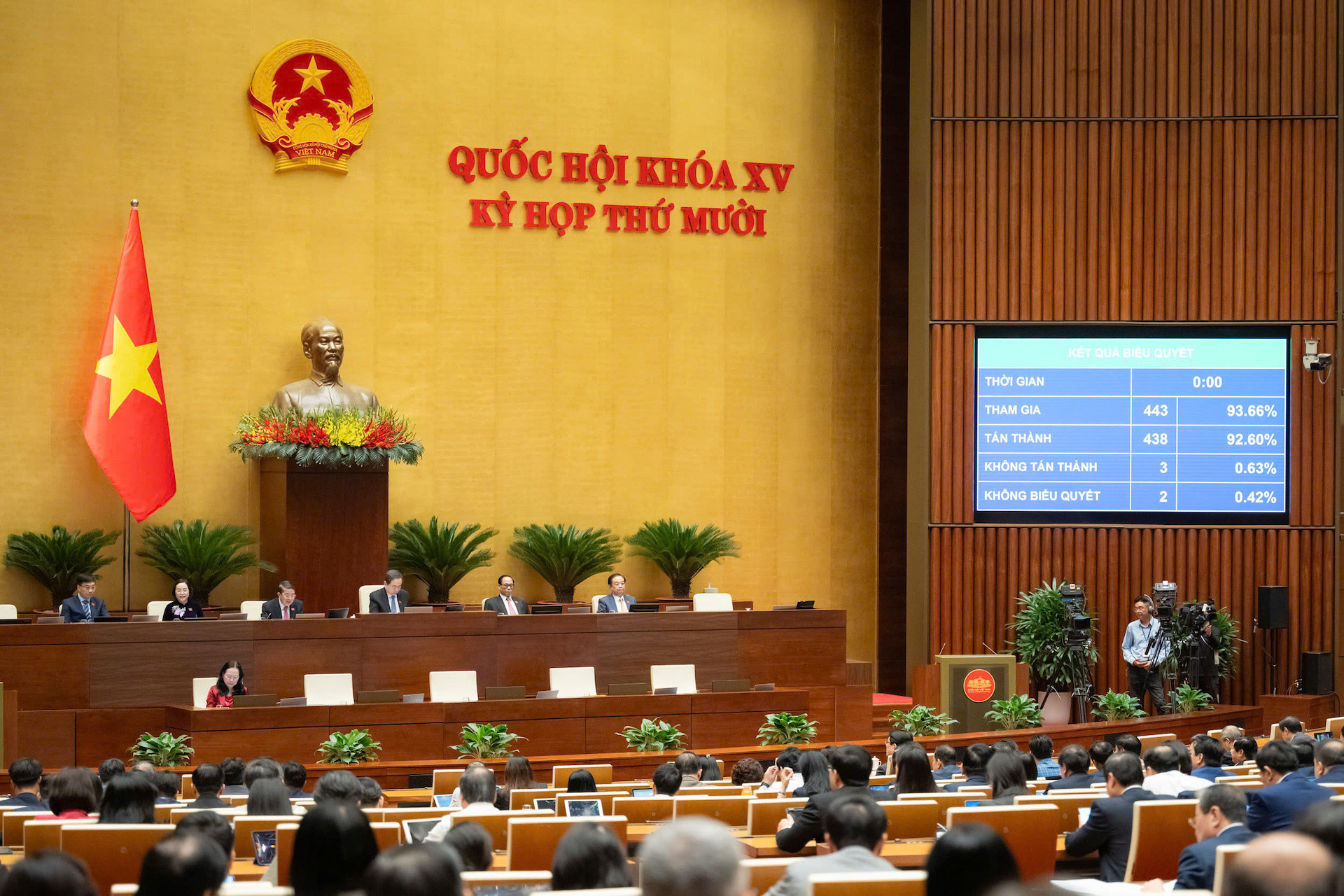
The revised law was approved on December 10 with over 92% of lawmakers in favor. One of the key reforms is reducing the number of progressive tax brackets from seven to five, while widening the income thresholds between the brackets.
Under the new law, the lowest tax rate of 5% applies to monthly incomes up to 10 million VND (approximately USD 410). The top marginal rate of 35% remains unchanged, but it will now only apply to monthly incomes exceeding 100 million VND (about USD 4,100), compared to the current threshold of 80 million VND (USD 3,280).
This updated tax schedule will take effect from the 2026 tax year. From January 1, 2026, companies will begin calculating and withholding personal income tax based on the new brackets. Taxpayers will finalize their 2026 tax returns between January 1 and March 31, 2027.
Finance Minister Nguyen Van Thang, speaking ahead of the vote, said the new tax system aims to reduce tax burdens across all income groups. It also addresses current shortcomings where taxpayers face abrupt jumps in payable tax between brackets.
According to the Finance Ministry, the 35% top rate is considered "moderate" by international standards. Neighboring countries such as Thailand, Indonesia, and the Philippines also have a top marginal rate of 35%, while China’s reaches as high as 45%.
The government rejected suggestions to lower the top rate to 30%, warning that such a move could be perceived as a tax cut for the wealthy.
More workers to fall outside tax liability
The revised law is designed to shift the tax burden slightly higher on upper-middle earners while exempting more low- and middle-income workers entirely.
The Finance Ministry estimates that the new structure will reduce the national tax revenue by approximately 8.74 trillion VND (USD 358 million).
The law also empowers the government to adjust family deductions based on inflation and income trends. As stipulated by a resolution passed by the National Assembly’s Standing Committee on October 17, the personal deduction will rise from 11 million VND to 15.5 million VND (from USD 450 to USD 635) per month. The dependent deduction will increase from 4.4 million VND to 6.2 million VND (from USD 180 to USD 255) per dependent.
These new deduction levels will apply from the 2026 tax year.
As a result, many individuals who currently pay income tax will no longer have to. For example:
An individual without dependents earning 17 million VND/month (around USD 700), after deducting 10.5% for social insurance and the 15.5 million VND personal allowance, will owe no tax.
Someone with one dependent and an income of 24 million VND/month (USD 985) will also fall outside the tax net.
A person earning 31 million VND/month (USD 1,275) with two dependents will similarly not owe any tax under the new progressive structure.
According to the Finance Ministry, these adjustments represent an increase of over 40% in deductions compared to the current levels - an update that reflects inflation and income growth trends over the past five years.
Thanh Hue
.svg)
