 Vietnamnet.vn

 Podcast



Sepak takraw, karate carry the team
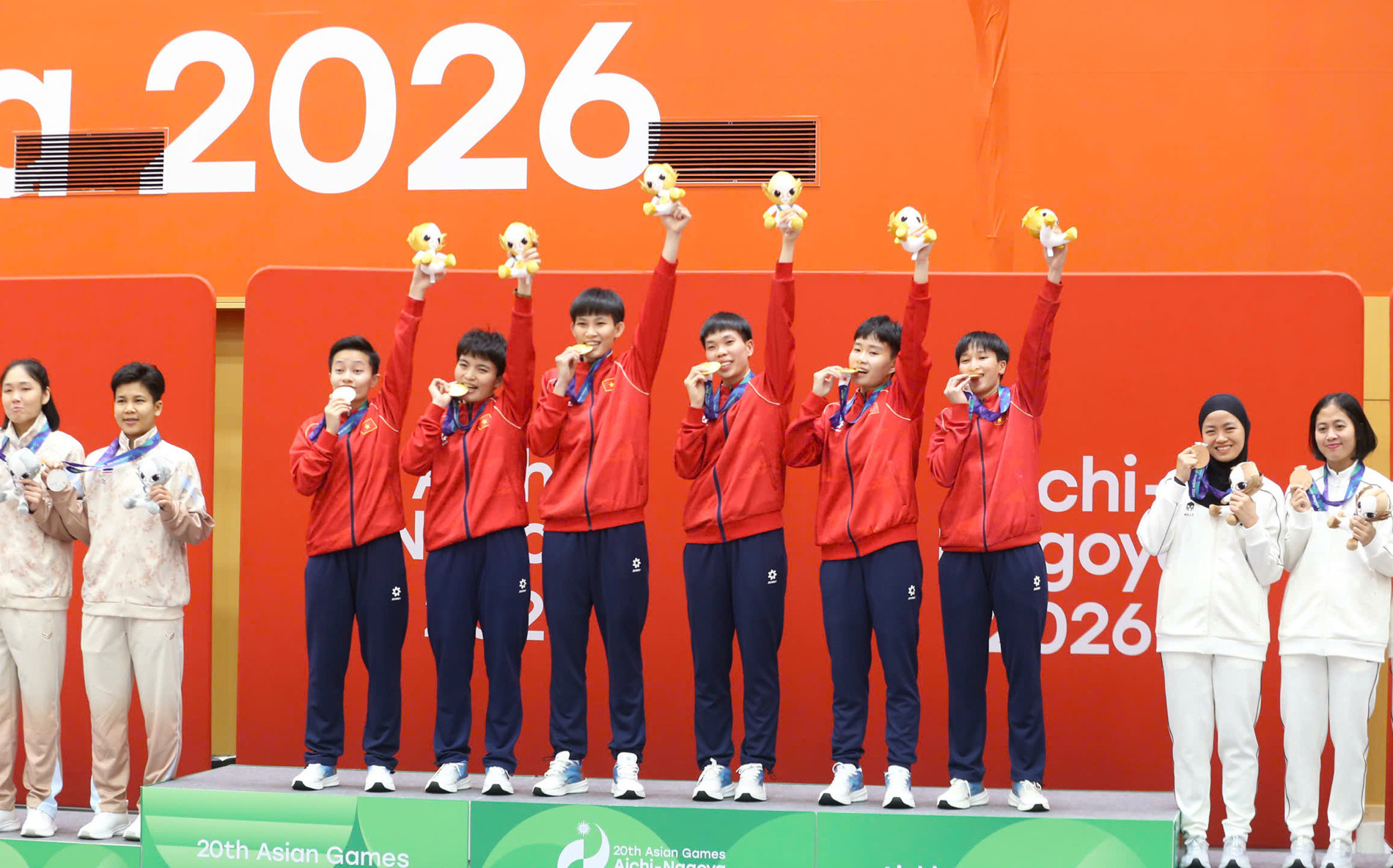
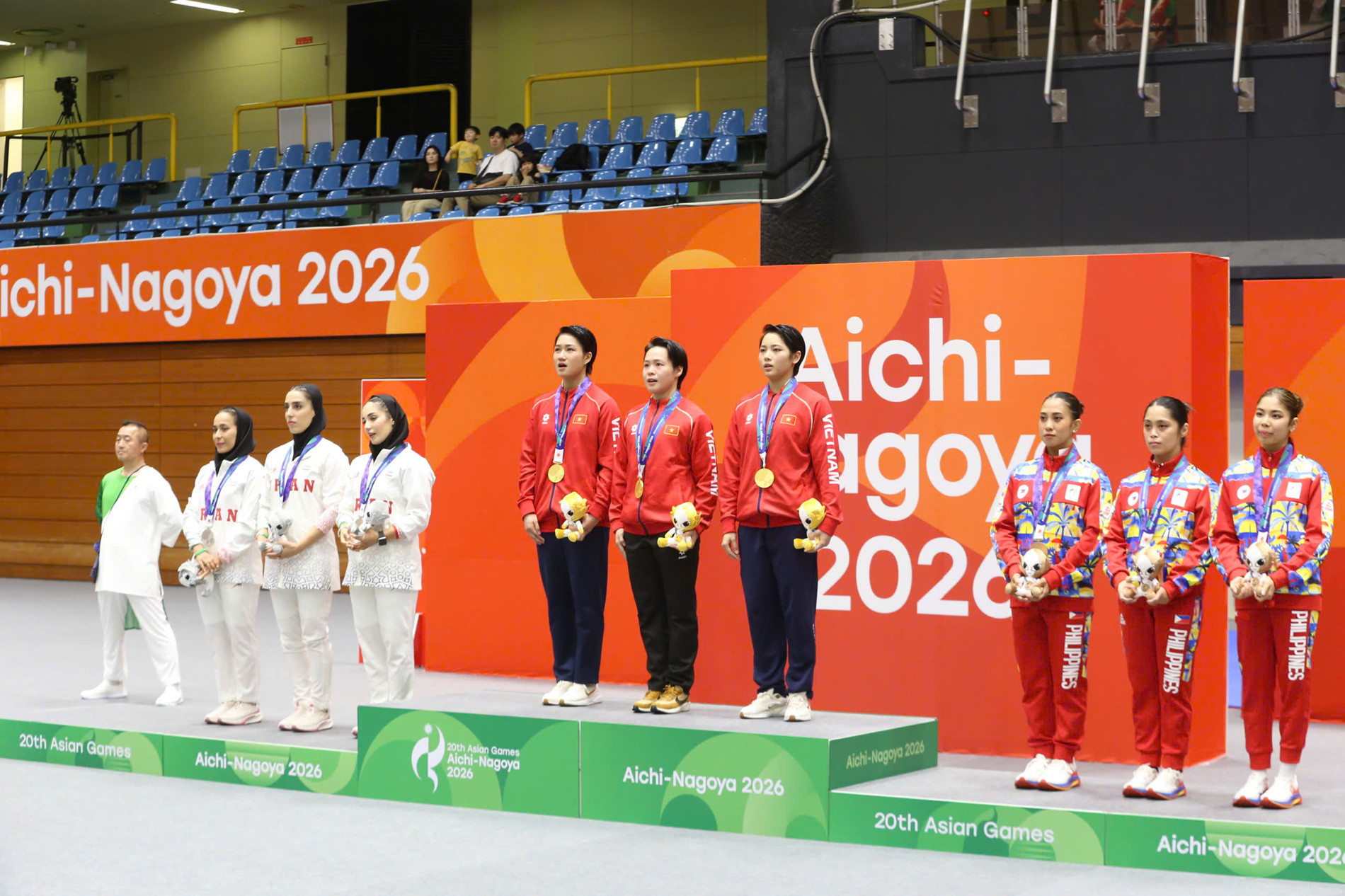
Vietnam finished the 2026 Asian Games with three gold, three silver and 19 bronze medals, failing to meet its target of winning more than four golds.
In fact, without outstanding performances from the women’s sepak takraw team in the doubles and four-player events, Vietnam’s medal haul would have been even more modest. The remaining gold came from the women’s team kata event in karate.
The three gold medals were significant achievements, reflecting the athletes’ intense preparation and determination. More broadly, Vietnam’s silver and bronze medals were also highly valuable, having been won against strong competitors from China, Japan and South Korea.
Sepak takraw and karate delivered, even exceeding expectations. Most of Vietnam’s other sports, however, fell short of expectations, with some performances amounting to outright failure.
Decline in Olympic sports
At a major competition such as the Asian Games, every medal is valuable. Yet gold medals in Olympic sports are a more meaningful measure of a country’s sporting development.
At this year’s Games, Vietnam failed to win a single gold in Olympic disciplines such as athletics, shooting, swimming, weightlifting, gymnastics, fencing and badminton. Several sports failed to win any medal at all.
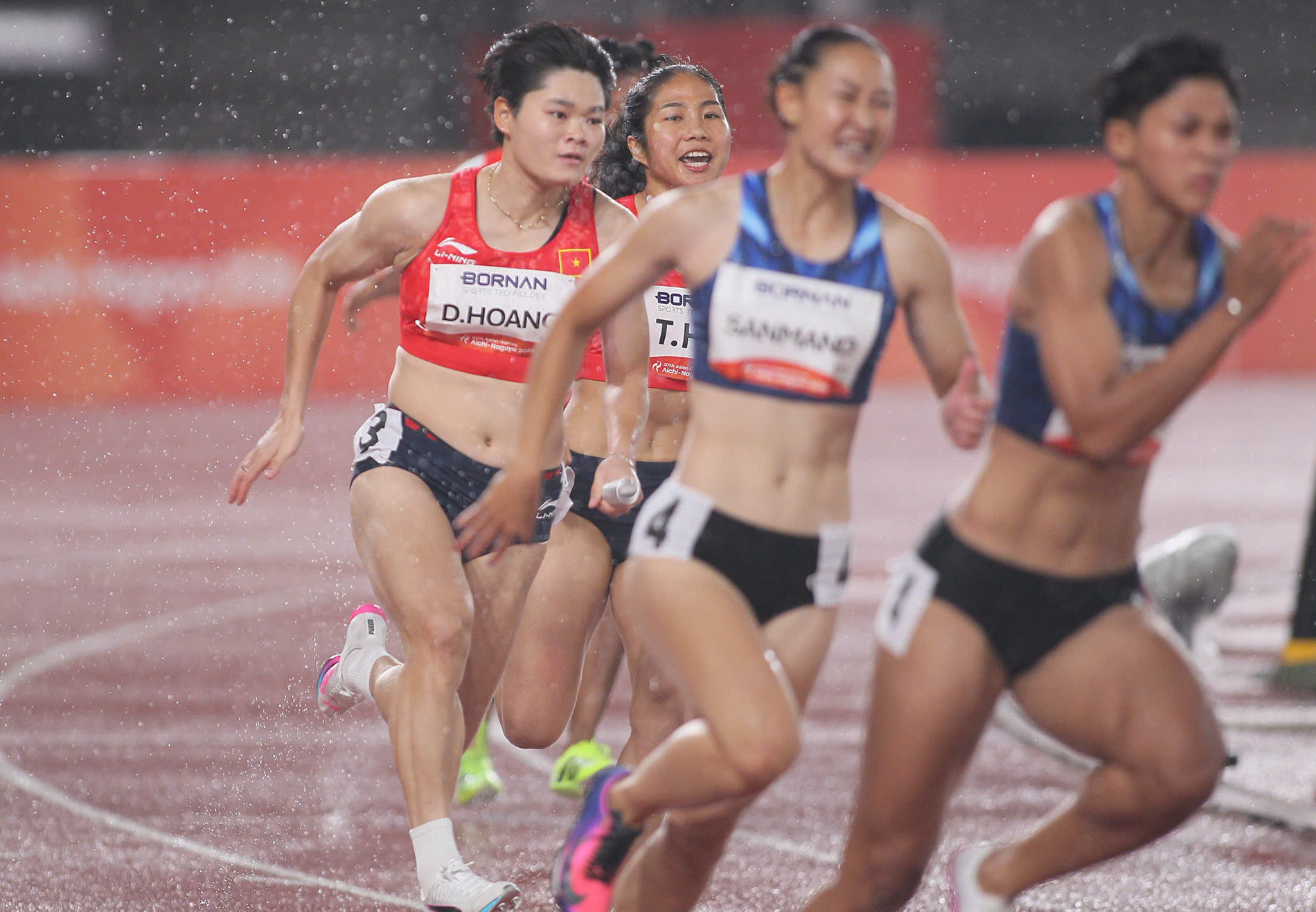
Vietnam’s athletics team, which has consistently ranked among Southeast Asia’s strongest at recent SEA Games, managed only one bronze medal, in the mixed 4x400m relay, and finished 18th in the Asian Games athletics standings.
Before the 2026 Asian Games, Vietnam had been expected to challenge for gold in one of the relay events, particularly the women’s 4x400m.
Once competition began, however, the gulf between Vietnamese athletes and Asia’s leading competitors became clear. In the women’s 4x400m relay, Quach Thi Lan, Hoang Thi Minh Hanh, Nguyen Thi Hang and Nguyen Thi Ngoc finished fifth in 3 minutes 32.28 seconds.
Vietnam also left Aichi-Nagoya empty-handed in swimming after winning medals at three consecutive Asian Games.
Nguyen Huy Hoang, the country’s biggest swimming hope, finished fourth in the men’s 400m freestyle in 3 minutes 48.86 seconds.
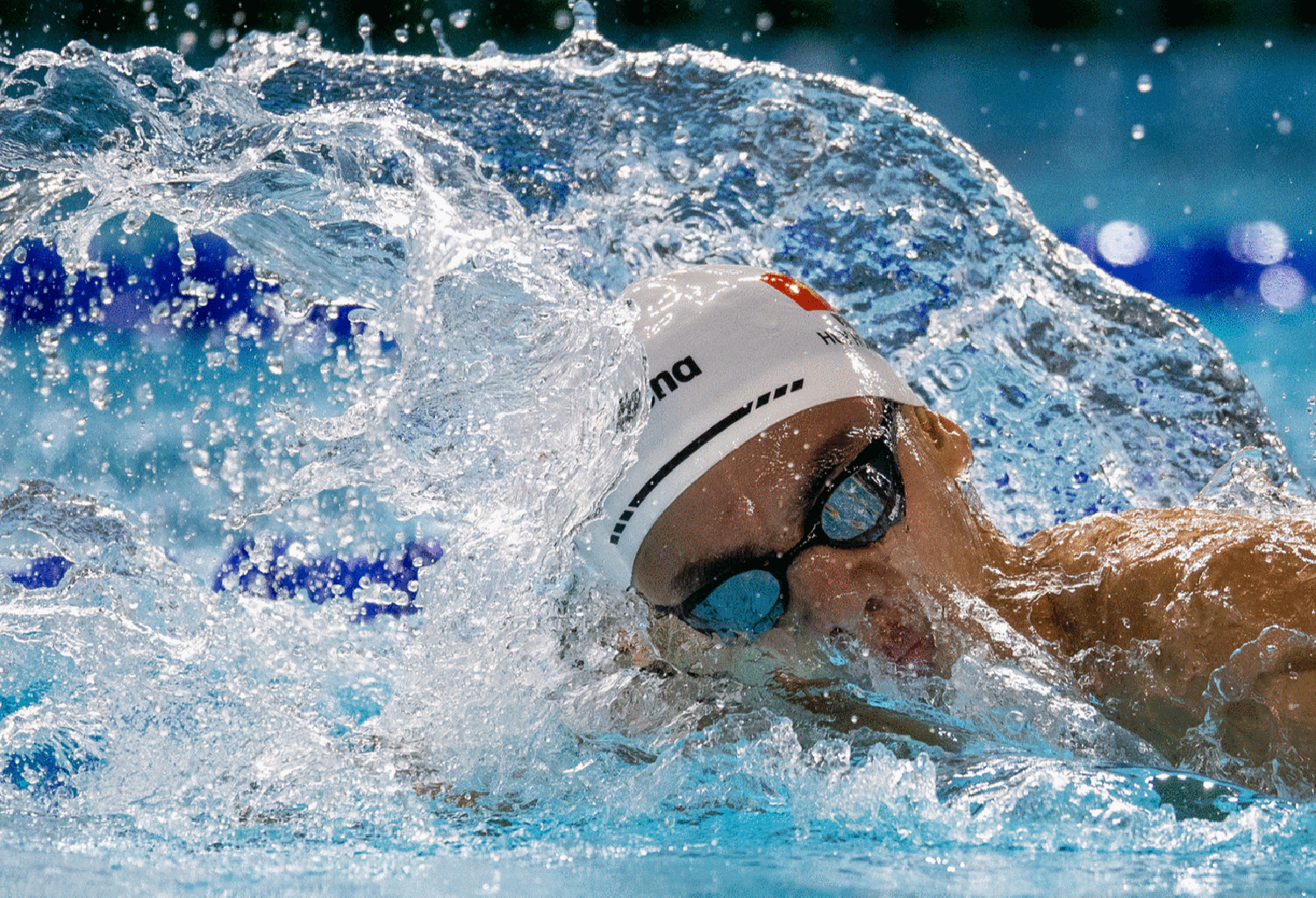
More concerning was that once Hoang missed out on a medal, Vietnam had virtually no other realistic medal prospects in the pool. Of the 10 Vietnamese swimmers competing at the Games, most considered simply reaching a final a successful result.
That underlined a severe shortage of swimmers capable of competing at, or approaching, continental level.
Shooting also endured a disappointing Asian Games. Once a flagship sport that delivered Vietnam an Olympic gold medal, the shooting team managed just one bronze.
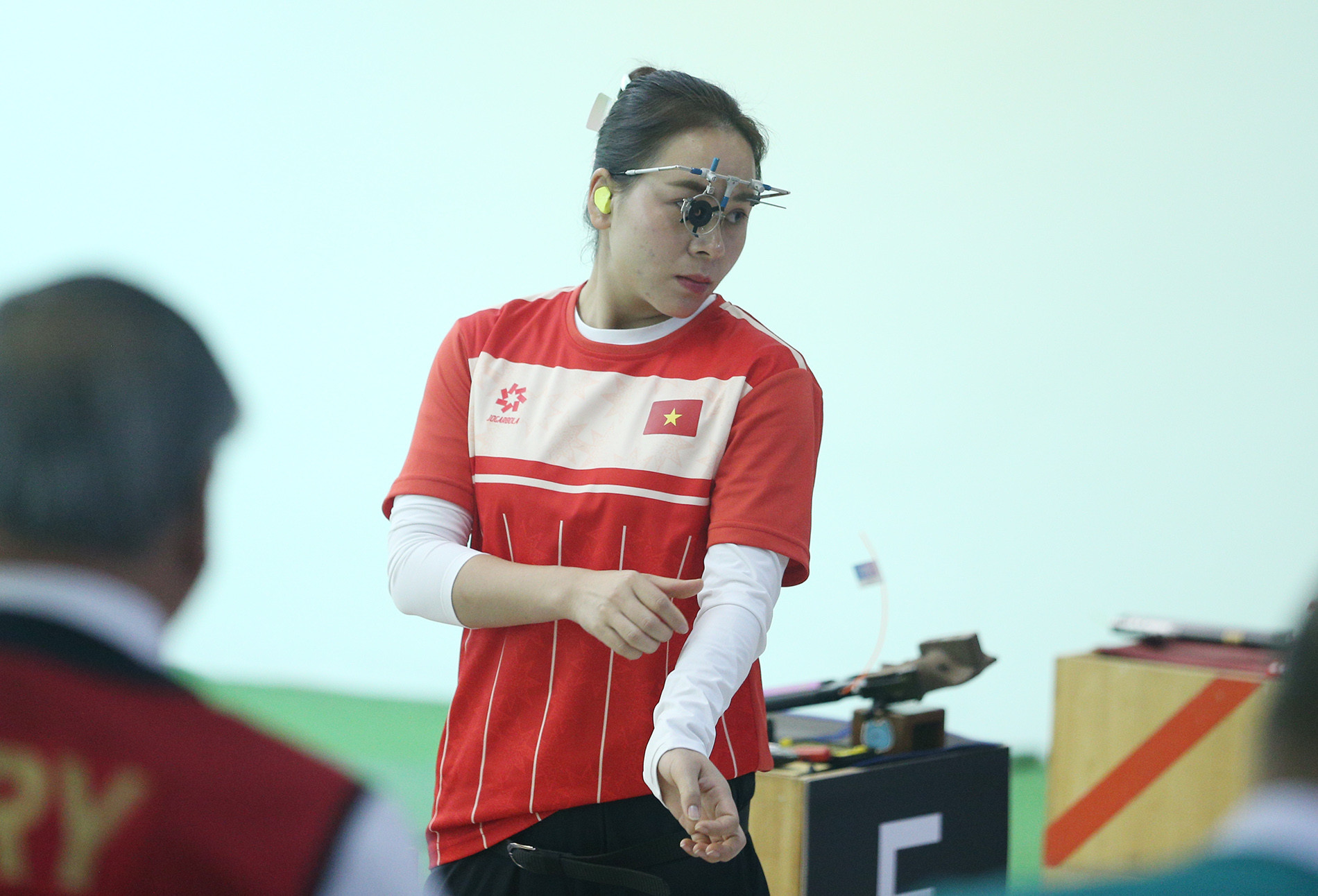
Expected medal contenders including Trinh Thu Vinh, Phi Thanh Thao, Mong Tuyen and defending Asian Games champion Pham Quang Huy all failed to make a major impact. It was Vietnam shooting’s worst Asian Games performance in 20 years.
Vietnam also fell short in weightlifting, fencing, gymnastics, cycling, archery, wrestling, judo and taekwondo, as well as in esports, which had been considered a potential source of gold despite Vietnam making its first appearance in the discipline at the Games.
Overall, Vietnam’s Olympic sports contributed no gold medals, two silvers and nine bronzes.
The results were modest and fell short of expectations despite substantially increased investment in Vietnamese sport compared with previous years.
Where does Vietnam stand in Southeast Asia?

Vietnam has regularly outperformed its regional rivals in terms of gold medals at the SEA Games. At the Asian Games, however, Thailand won six times as many gold medals as Vietnam.
More significantly, 10 of Thailand’s 18 golds came in Olympic sports. Among the standout performances were Puripol Boonson’s victories in the men’s 100m and 200m and Kunlavut Vitidsarn’s gold in men’s singles badminton.
Malaysia won nine Asian Games gold medals, while Indonesia claimed five, all in Olympic sports: two in badminton and one each in archery, weightlifting and sport climbing.
The Philippines won four golds across gymnastics, athletics and taekwondo, while Singapore took one athletics gold.
The problem extends beyond this Asian Games. For years, Vietnam has often relied heavily at the continental level on judged events, particularly performance-based disciplines, while hoping circumstances fall in its favor.

Meanwhile, the country has continued to lose ground in key Olympic sports including athletics, swimming, shooting and weightlifting.
Vietnam’s disappointing results were therefore not entirely unexpected. The bigger question is what can be done to reverse the trend and build sustainable progress - a question for which Vietnamese sport has yet to find an effective answer.
Following the 2026 Asian Games, sports authorities are certain to conduct another round of reviews to identify lessons and chart a way forward. It has become a familiar process.
“Vietnamese sport is showing signs of losing momentum and falling into a position where it is chasing other countries in the region. Competition at the continental level is becoming increasingly fierce. Many of our key sports have yet to make a breakthrough,” said Nguyen Hong Minh, head of the Vietnamese delegation.
“This is a major lesson in assessing the strength of our rivals, ensuring athletes reach peak form at the right time, and developing a long-term investment strategy for Olympic sports.”
Dai Nam
.svg)
