 Vietnamnet.vn

 Podcast



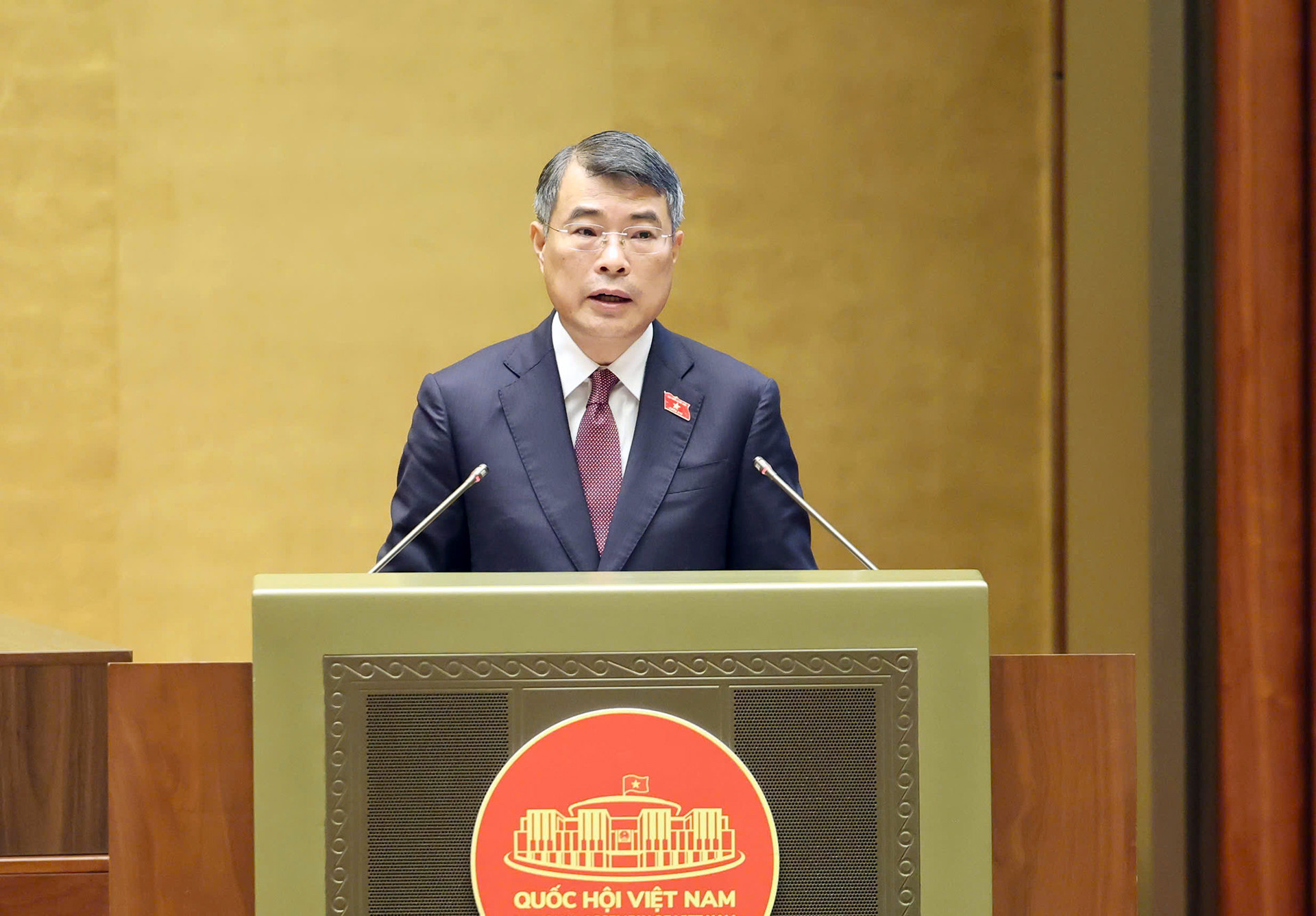
On the morning of October 17, Prime Minister Le Minh Hung presented a report on Vietnam's socioeconomic performance in 2026 and the proposed development plan for 2027 at the opening session of the second sitting of the 16th National Assembly.
The Prime Minister said ministries, sectors and local authorities had implemented measures decisively throughout 2026, delivering significant and relatively comprehensive results.
Vietnam is expected to meet or exceed 14 of its 15 major socioeconomic targets for the year.
Vietnam's trade turnover exceeds $1 trillion for the first time
Highlighting the country's major achievements, the Prime Minister said strong economic growth had been accompanied by macroeconomic stability, controlled inflation and the maintenance of key economic balances.
Growth drivers had been strengthened, laying the groundwork for changes to Vietnam's economic development model.
Economic growth accelerated from quarter to quarter, with GDP expanding 9.95% in the third quarter and 9.01% during the first nine months of 2026, placing Vietnam among the faster-growing economies in the region and worldwide.
Full-year state budget revenue is estimated at VND 3.06 quadrillion (approximately US$116 billion), up 14%, despite tax and fee exemptions, reductions and payment extensions totaling around VND 360 trillion.
By the end of 2026, public debt is projected to account for approximately 33-34% of GDP, government debt 32-33%, and national external debt 28-29%.
The state budget deficit is expected to reach approximately 4.1% of GDP, remaining within safe limits.
The exchange rate has remained stable, while liquidity in the credit system has improved.
For the first time, Vietnam's stock market was upgraded, while Moody's raised the country's outlook from "Stable" to "Positive."
International organizations have also expressed confidence in Vietnam's economic resilience and growth prospects.
All three major economic sectors recorded relatively strong growth, while the economic structure continued to improve.
Traditional growth drivers received renewed attention, and emerging drivers began to gain momentum.
International visitor arrivals reached 17.7 million, up 14.5%, the highest level recorded to date.
Total import-export turnover increased 30.4% and is estimated to reach US$1.11 trillion for the full year, exceeding the US$1 trillion threshold for the first time.
Registered foreign direct investment reached US$50.36 billion, up 76.4%, the highest level since 2021.
Meanwhile, Vietnam continued improving its legal framework, addressing institutional bottlenecks and unlocking resources for development.
Efforts focused on establishing development-oriented institutions and achieving substantive improvements in policy implementation under Resolution No. 66.
Another notable achievement was the coordinated nationwide restructuring and streamlining of the administrative apparatus.
The two-tier local government model has gradually begun operating smoothly in accordance with conclusions issued by the Party Central Committee, Politburo and Secretariat.
Vietnam also prioritized the development of modern, integrated strategic infrastructure to strengthen regional connectivity and unlock new development opportunities.
According to the Government's assessment, the country's socioeconomic performance in 2026 delivered significant achievements across multiple areas, gradually establishing and strengthening essential foundations for future development.
These achievements include improvements in development-oriented institutions and national governance.
Strong economic growth was accompanied by macroeconomic stability, increasingly effective growth drivers and the mobilization of additional resources.
Resource allocation and utilization were increasingly linked to socioeconomic efficiency, while effective management of essential goods and production input prices helped control inflation.
Science and technology, innovation, digital transformation and the development of highly skilled human resources also recorded progress.
Greater attention and resources were directed toward culture, social affairs, healthcare and education, while social welfare was maintained and living standards improved.
National defense, security, foreign affairs and international integration were further strengthened, helping preserve a peaceful and stable environment and enhance Vietnam's international standing.
Among the country's major infrastructure achievements, an additional 395 kilometers of expressways were completed.
The entire eastern North-South Expressway was brought into operation, while construction began simultaneously on five urban railway lines in Hanoi.
Science, technology, innovation and digital transformation also saw positive developments, particularly in addressing major national challenges.
Cultural and social development received continued attention, social security was maintained, and people's living conditions improved.
One notable initiative was the 500-day campaign to search for, recover and identify the remains of fallen soldiers, which has been implemented vigorously and delivered significant results.
Workers' incomes also increased.
Average worker income reached VND 9.06 million, up nearly 9.4%.
From July 1, 2026, the statutory base salary increased by 8%, while allowances for commune-level officials and civil servants rose from 25% to 55%.
Reforms in education and training, human resource development, and public health protection and improvement were also accelerated under Politburo Resolutions No. 71 and 72.
Notable achievements included the construction, completion and commissioning of 108 multi-level boarding schools, continued tuition exemptions and reductions, and free periodic health examinations and screenings for approximately 97% of the population.
According to the Prime Minister, these achievements have generated momentum, strengthened the country's position and created additional resources for faster and more sustainable development.
They also provide a foundation for successfully implementing the objectives and tasks outlined in the resolution of the 14th National Party Congress.
Officials who evade responsibilities or fail to perform must be replaced immediately
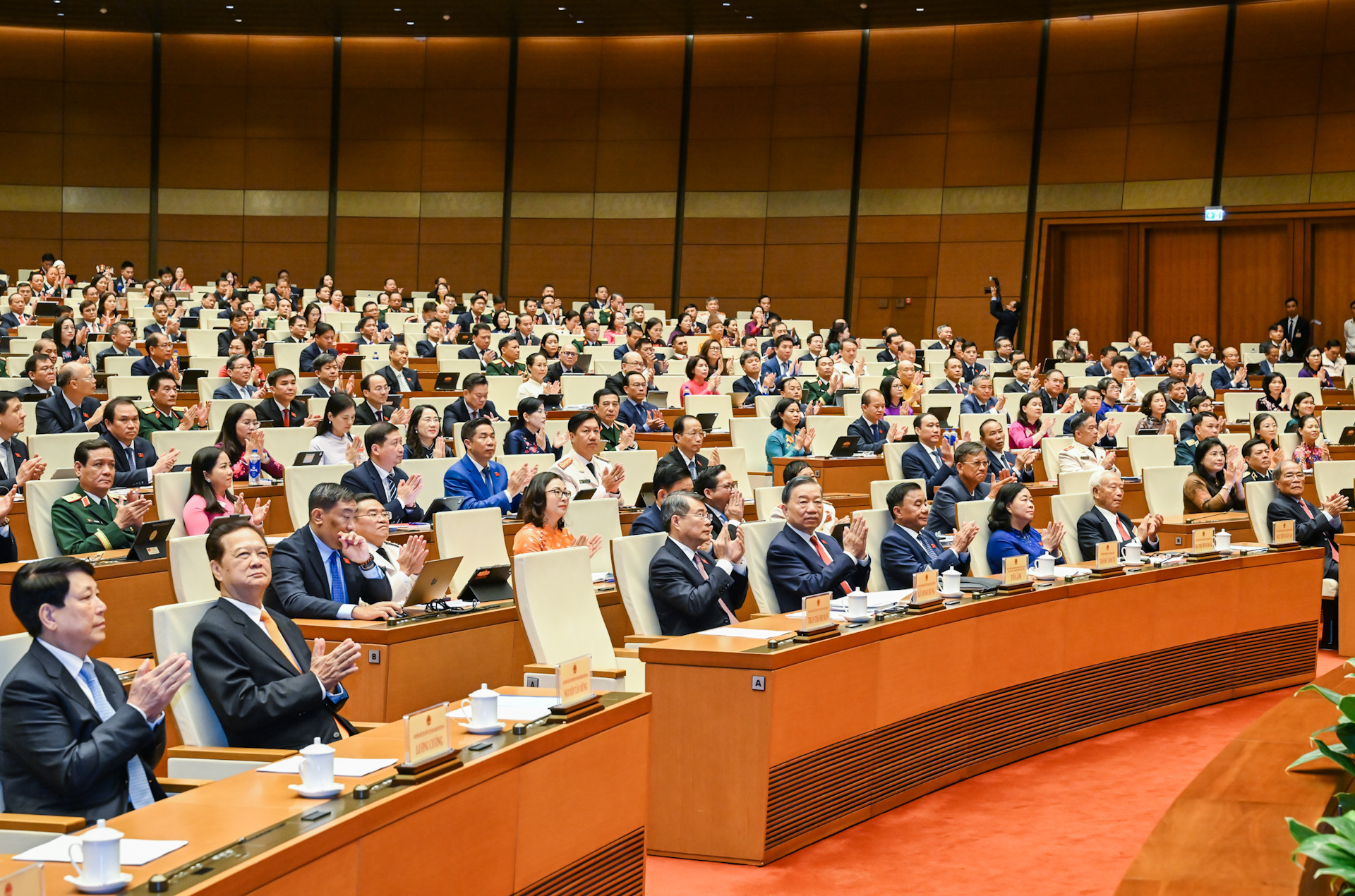
The Prime Minister emphasized that Vietnam must strive to achieve the highest possible results against its remaining targets during the final months of 2026.
Particular attention should be paid to achieving double-digit economic growth while maintaining macroeconomic stability and controlling inflation.
The Government has outlined several major socioeconomic targets for 2027:
- GDP growth of at least 10%.
- Consumer price index growth of approximately 4.5%.
- GDP per capita of US$6,100.
- Average labor productivity growth of 8.6%.
- A reduction of 1-1.5 percentage points in the multidimensional poverty rate.
Regarding the principal tasks and measures for achieving these targets, the Prime Minister said the Government would prioritize economic growth while maintaining macroeconomic stability.
A central priority will be making breakthroughs in mobilizing, allocating and efficiently utilizing development resources.
The Government aims to increase state budget revenue by approximately 9.1%, strictly reduce recurrent expenditure and diversify funding sources through the development of medium- and long-term capital markets.
Another major task is to improve institutions and legislation while delivering tangible improvements in implementation.
This includes strengthening efforts to prevent and combat corruption, wastefulness and misconduct, tightening administrative discipline and improving the quality of public officials and employees.
The Prime Minister called for the immediate replacement of officials who shift responsibility, avoid difficult tasks or fail to fulfill their duties.
Vietnam will also accelerate economic restructuring, reform its development model and strengthen the economy's internal capacity, independence, self-reliance and resilience.
Another priority is the development of modern, integrated strategic infrastructure, particularly major projects with national and interregional significance.
This includes accelerating construction of Long Thanh and Gia Binh international airports.
At the same time, the Government will seek breakthroughs in science, technology, innovation and digital transformation under Resolution No. 57 to generate new growth momentum.
The Prime Minister also emphasized the need for substantive improvements in education and training quality and the development of highly skilled human resources under Resolution No. 71.
He called for comprehensive reforms in education governance, curricula, teaching methods, examinations and assessment systems.
These reforms should focus on meaningful learning outcomes and reducing examination pressure.
The Government must also ensure that textbooks are supplied fully and on time before the 2027-2028 academic year.
Another major task is to achieve fundamental improvements in cultural and social development, healthcare, social welfare and living standards.
Vietnam must also improve the management and utilization of natural resources, strengthen environmental protection, prevent and respond to natural disasters, and adapt to climate change.
The Prime Minister called for continued strengthening of national defense and security, alongside greater international engagement and integration, particularly economic and technology diplomacy.
Finally, he stressed the importance of improving implementation capacity.
To ensure policy execution no longer remains a weak link, ministries, sectors and local authorities, particularly their leaders, must take greater responsibility and strengthen coordination.
They must translate central policies and directives into practical action within their respective sectors and localities while overcoming the tendency to shift responsibility, avoid difficult decisions or fear accountability.
The Prime Minister called for clearly identifying priority tasks and breakthrough measures.
Regular inspections, supervision and efforts to resolve obstacles must also be strengthened to ensure that every policy produces tangible results and makes a meaningful contribution to local and national development.
Key tasks and measures for the final months of 2026
The Government outlined the following priorities for the remainder of the year:
- Macroeconomic management: Effectively coordinate fiscal, monetary and other macroeconomic policies; introduce decisive measures to reduce lending interest rates; ensure adequate electricity and fuel supplies; stimulate domestic consumption and take advantage of year-end shopping and tourism demand while controlling prices; boost exports and reduce the trade deficit.
- Regional economic growth: Require localities to pursue the highest possible growth rates, particularly major economic growth centers.
- Investment: Strive to disburse 100% of planned public investment capital, encourage private investment, attract foreign investment and resolve stalled projects.
- Science, technology and digital transformation: Accelerate innovation and digital transformation, efficiently disburse allocated funding and complete a 100-day intensive campaign to address obstacles to the effective operation of the National Public Service Portal, reducing administrative compliance time and costs while improving government efficiency.
- Social welfare and cultural development: Improve living standards, provide greater support for people with meritorious service and other policy beneficiaries, particularly during holidays and Tet, intensify the 500-day campaign to locate and identify fallen soldiers' remains, and strengthen food safety management.
- Education and healthcare: Accelerate breakthrough measures to improve teaching and learning quality, ensure safe and nutritious meals at boarding and semi-boarding schools, urgently revise regulations governing medicines and medical equipment, reduce costs and improve the effectiveness of public healthcare.
- National defense and international cooperation: Strengthen national defense and security while expanding foreign relations and international integration.
Thu Hang
.svg)
