 Vietnamnet.vn

 Podcast


At an online seminar titled "What to Export in 2027?", Nguyen Tuan Viet, CEO of VIETGO, said 2027 could present significant opportunities for Vietnamese exporters, particularly in India, the Middle East and China.
According to Viet, export potential extends beyond established Vietnamese products to include raw materials and industrial inputs used in manufacturing and construction.
However, businesses must proactively seek customers, understand import demand and meet the specific requirements of each market to capitalize on these opportunities.
Wood products and construction materials offer growth potential
Viet identified two main product categories that Vietnamese wood exporters could prioritize.
The first comprises indoor and outdoor furniture serving international consumer demand. The second includes wood-based materials such as veneer, plywood and sawn timber from plantation forests, which are used in manufacturing and processing.
India's urbanization and housing construction demand are expected to be important growth drivers, alongside international importers' efforts to diversify supply sources.
The relocation of some manufacturing and trading activities away from China could also create additional opportunities for Vietnamese businesses.
Construction materials represent another product category with considerable export potential.
These include cement, bricks, stone, aluminum products, steel roofing sheets and prefabricated construction components.
The Middle East is considered a particularly promising market for these products.
Viet said the number of international buyers seeking cement through VIETGO's trade promotion activities in 2025 was approximately three times higher than during 2023–2024.
This increase is viewed as an indication of rising demand for construction materials in certain overseas markets.
Coffee exports could reach $9–10 billion annually
Agricultural products and food are expected to remain important contributors to Vietnam's exports in 2027.
Coffee, cashew nuts, rice, pepper, cinnamon, star anise, fresh fruit and processed fruit products are among the commodities expected to maintain demand across international markets.
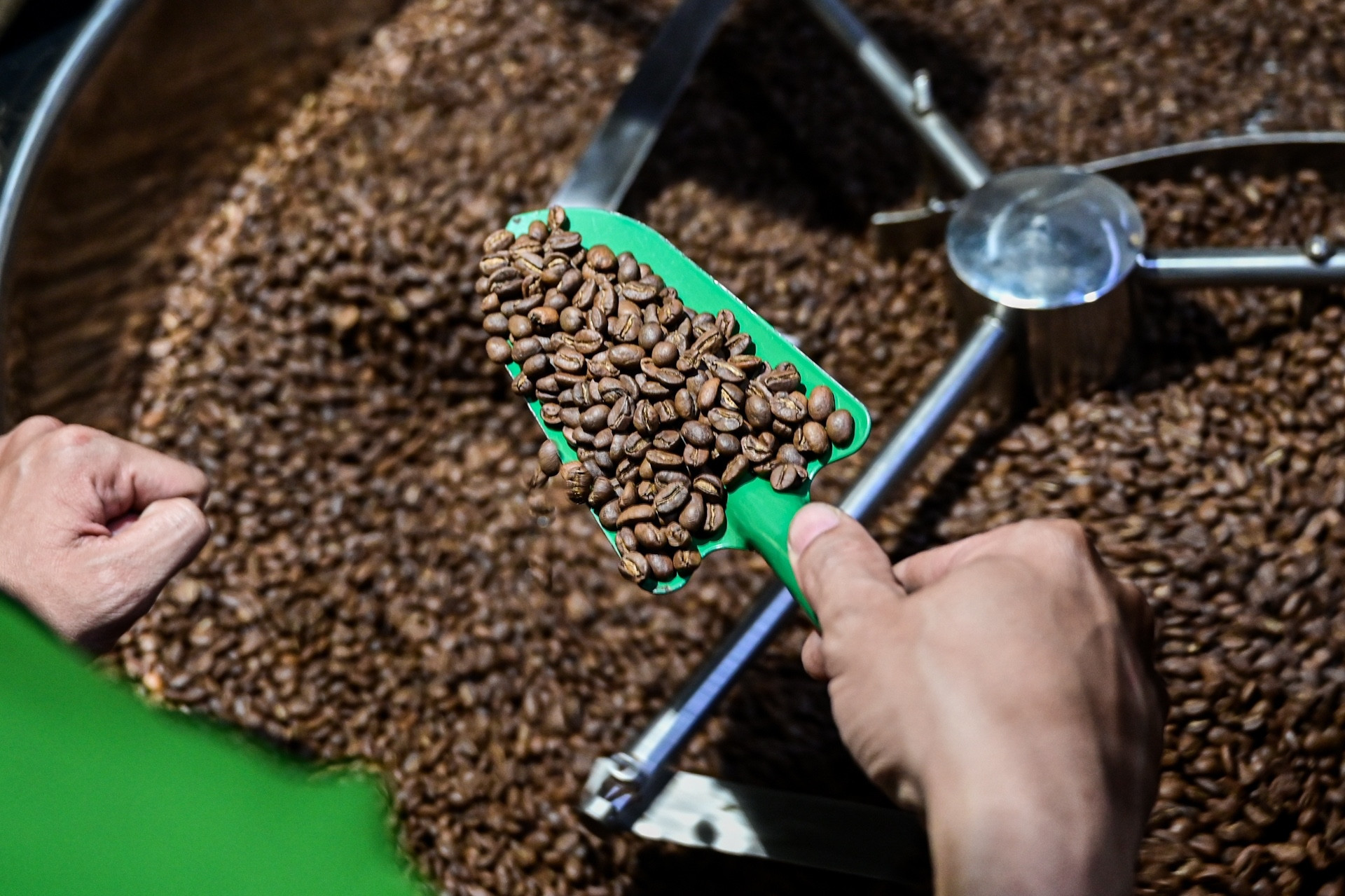
Viet forecast that Vietnam's coffee export revenue could reach approximately $9–10 billion annually in both 2026 and 2027.
For spices, India, Pakistan and the Middle East were identified as major import markets, particularly for cinnamon, star anise, pepper, chili, ginger and turmeric.
In the fruit sector, opportunities extend beyond fresh produce to processed products such as canned pineapple and dried fruit, which can serve distinct consumer segments.
Consumer goods and energy products present further opportunities
Vietnamese consumer goods are also expected to have opportunities to expand their international market presence in 2027.
Promising categories include plastic products, paper goods, textiles, garments, footwear and household products.
Disposable paper products, toilet paper, tissues, packaging and household plastic goods have broad consumer markets because they serve recurring everyday needs.
In the energy sector, commodities such as coal and wood pellets could benefit from fuel demand in certain importing countries.
India, the Middle East and China remain key markets
Viet highlighted three major markets that Vietnamese exporters should pay particular attention to in 2027.
India offers strong prospects for wood materials, construction products, furniture and spices, supported by its large population and continued urbanization.
The Middle East presents substantial import demand for food, fruit, consumer goods and construction materials used in development and reconstruction projects.
China will remain an important export destination, although Vietnamese businesses will need to adjust their market strategies to remain competitive.
According to Viet, export competition in 2027 will no longer be determined solely by selling prices.
Instead, businesses will increasingly compete on their ability to understand customer demand, organize supply chains and fulfill orders efficiently.
Amid continued volatility in global trade, companies that proactively identify new markets, control costs and meet importers' requirements will be better positioned to expand their export market share.
Duy Anh

