 Vietnamnet.vn

 Podcast


Tam Anh General Hospital Group has become the first institution in Vietnam to complete an exclusive, comprehensive transfer of core stem cell and immune cell technologies from Japan's Grandsoul Medical Group, opening up new possibilities for cancer treatment, chronic disease management and healthcare development.
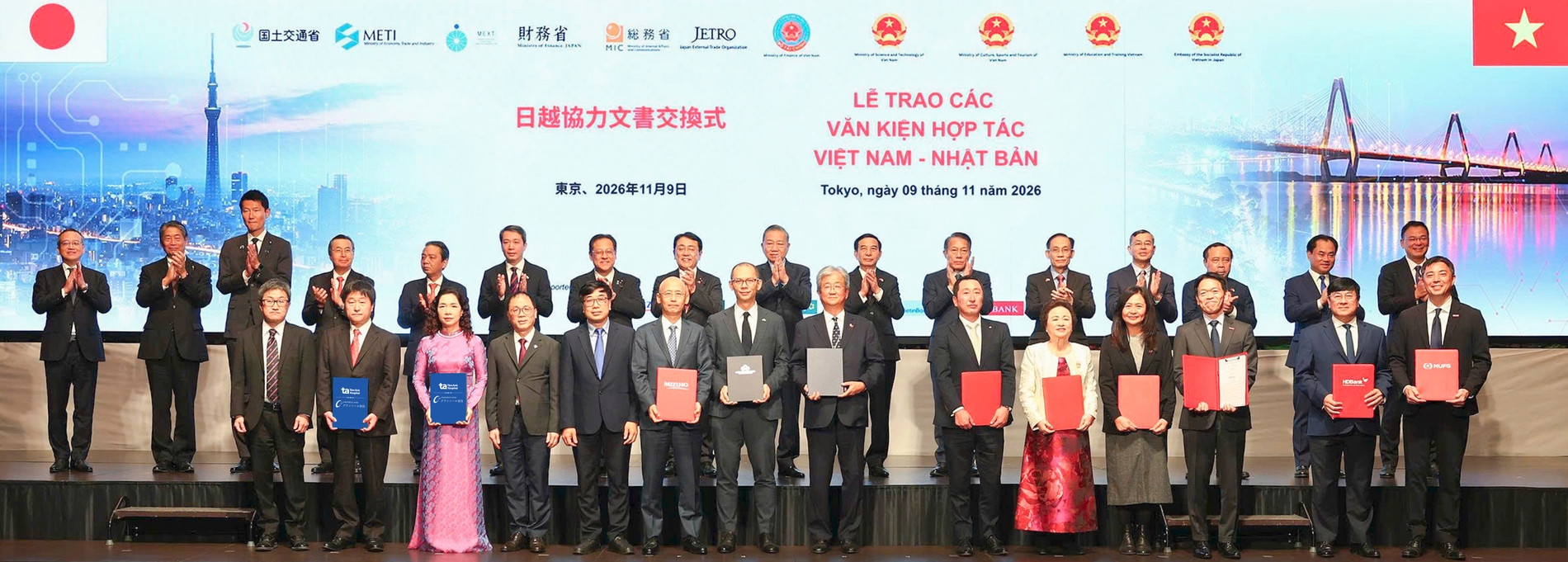
Mastering stem cell and immune cell technologies for the treatment of cancer, chronic diseases and difficult-to-treat conditions is among Vietnam's strategic technology priorities under a Government-approved programme for 2026–2030.
The comprehensive transfer of core cell technologies from Japan marks an early milestone in implementing this programme, with Tam Anh becoming the first institution to complete the transfer of a strategic healthcare technology.
Advancing Vietnam-Japan cooperation in cell therapy
Japan is among the pioneers in stem cell and immune cell research, particularly in regenerative medicine and cancer treatment. Its scientific achievements in related fields include three Nobel Prizes in Physiology or Medicine.
The transfer represents another step in Tam Anh's strategy to develop a high-tech healthcare ecosystem, particularly in oncology.
Previously, Tam Anh General Hospital was selected by Japan's Grandsoul Medical Group from among dozens of leading Asian medical institutions as its exclusive partner in Vietnam for investment cooperation and the comprehensive transfer of core stem cell and immune cell technologies.
The partnership is expected to support the development of new approaches to cancer treatment, chronic disease management and healthcare improvement.
Ngo Chi Dung, Chairman of the Board of Directors of Tam Anh General Hospital Group, attributed the achievement partly to policies introduced by the Party Central Committee and the Government that encourage private enterprises to invest in strategic technologies.
He said acquiring comprehensive technology transfer capabilities could help Vietnam master advanced medical technologies and create opportunities for further Vietnam-Japan cooperation in research, investment and development.
Prof. Matsuo Yoshinobu, a senior technology expert at the Grandsoul Research Institute for Immunology in Nara, said stem cell and immune cell technologies require exceptionally stringent professional standards and quality control.
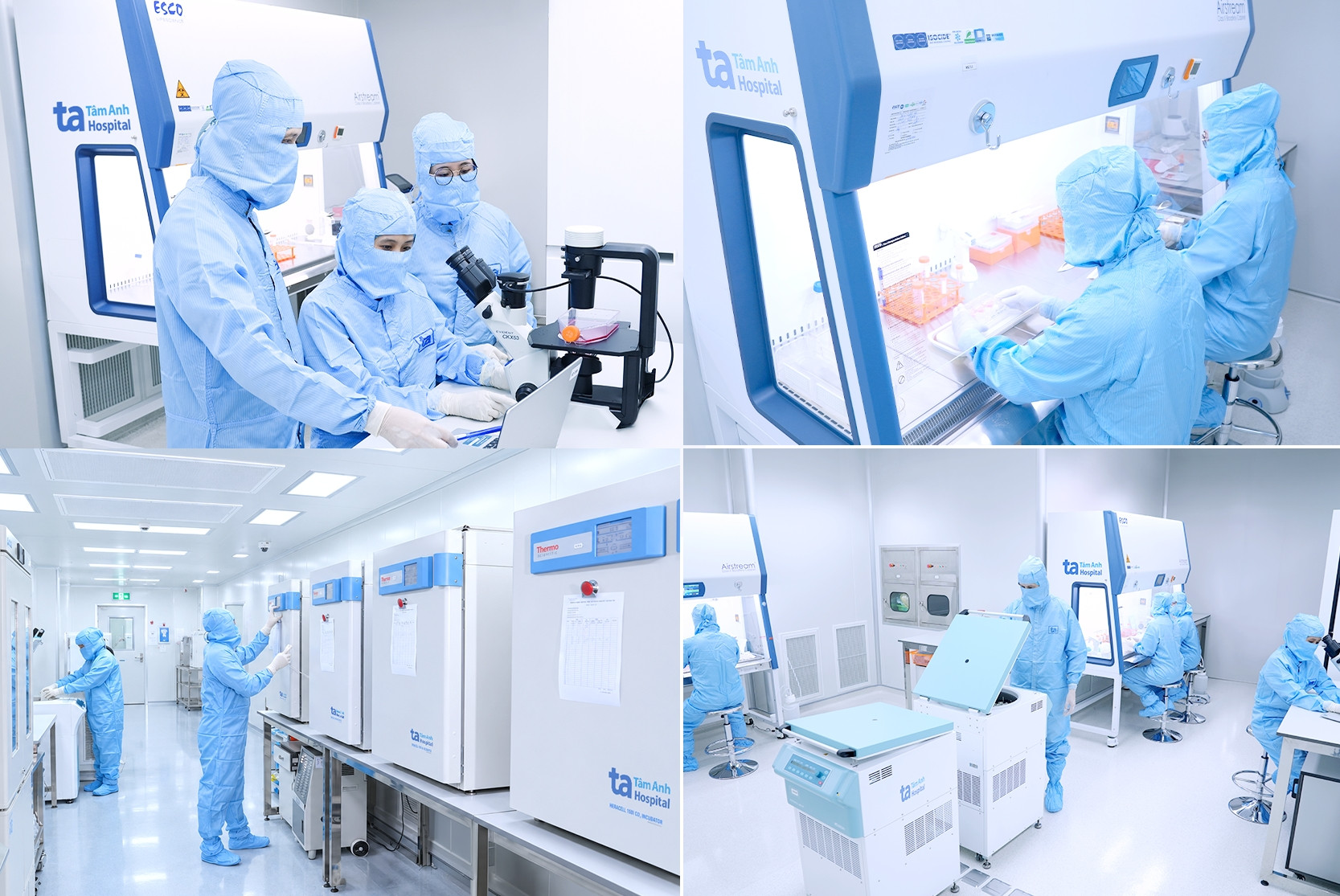
He assessed that Tam Anh had established the technological infrastructure, qualified personnel and systematic quality control procedures necessary to receive and further develop advanced technologies from Japan.
Focus on mesenchymal stem cells and natural killer cells
The two organisations selected next-generation cell technologies researched, developed and applied by Grandsoul Medical Group in Japan.
According to the announcement, these technologies have received approval from Japan's Ministry of Health, Labour and Welfare and have been authorised for use in the country for several years.
The transfer focuses on two main technology groups: the isolation, cultivation and selective differentiation of adipose-derived mesenchymal stem cells (MSCs), and the isolation, cultivation and selective differentiation of natural killer (NK) immune cells for potential cancer treatment applications.
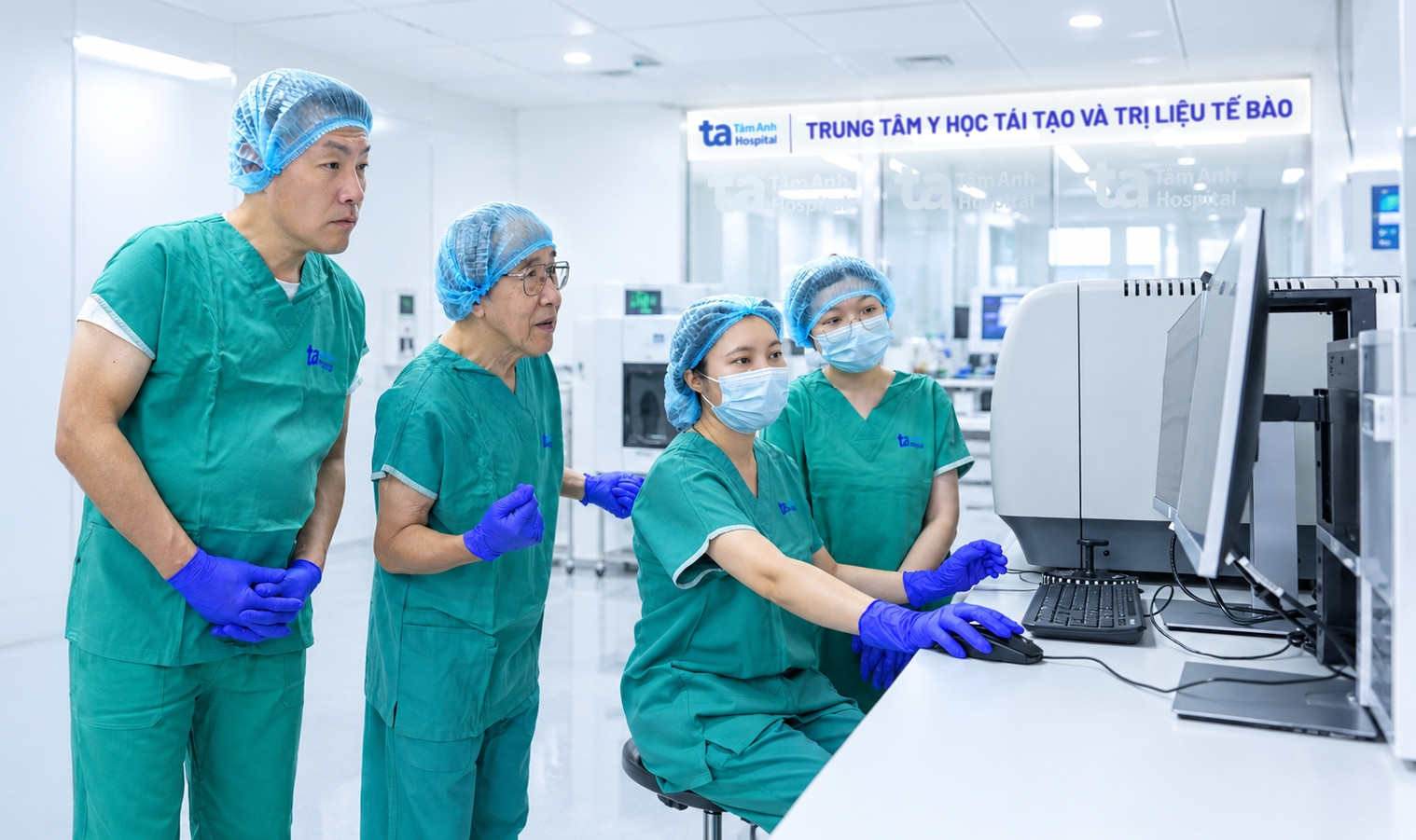
MSC technology is being researched and developed for possible applications involving cardiovascular and neurological conditions, including stroke and dementia, as well as diabetes, chronic obstructive pulmonary disease and skin rejuvenation.
Meanwhile, NK cell-based approaches are being explored as part of cancer immunotherapy and may be combined with established treatments such as surgery, chemotherapy, radiotherapy and targeted therapy.
Pham Xuan Dung, Director of the Oncology Center at Tam Anh General Hospital Ho Chi Minh City, said immunotherapy is becoming an increasingly important area of modern cancer treatment.
He noted that immunotherapy has contributed to advances in treatment strategies and outcomes for several cancers, including lung, stomach, colorectal, bladder, kidney, liver and breast cancers.
One of its key advantages is its ability to help the immune system recognise and selectively attack cancer cells.
However, the clinical effectiveness and safety of specific cell therapies depend on the treatment, disease and supporting evidence.
Expanding regenerative medicine infrastructure in Vietnam
Prof. Ta Thanh Van, Chairman of the Professional Council of the Regenerative Medicine and Cell Therapy Center at Tam Anh General Hospital Hanoi, said the hospital group has invested in developing its regenerative medicine infrastructure.
Its tissue and cord blood bank has been licensed by Vietnam's Ministry of Health since 2019.
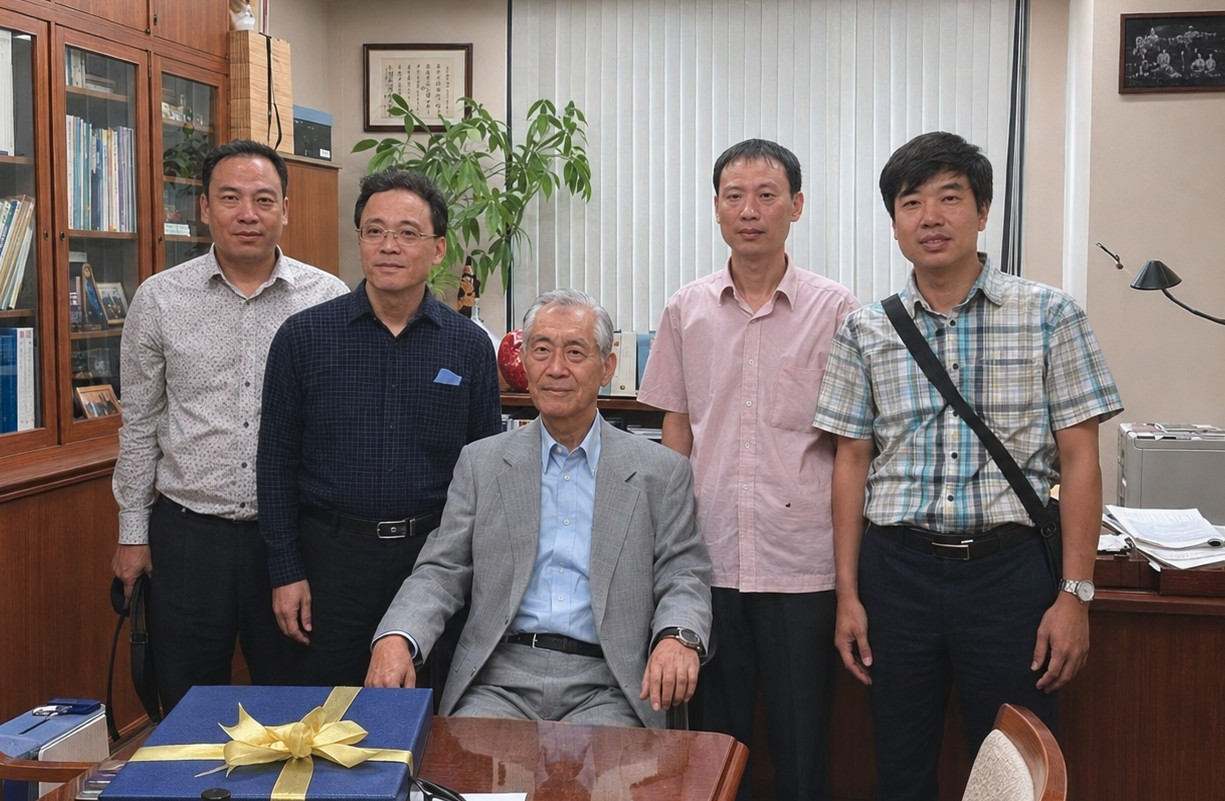
The group has also established and expanded its Regenerative Medicine and Cell Therapy Center to support research and the application of advanced cellular technologies.
Vietnam faces a substantial burden from cancer and chronic diseases.
According to figures cited in the announcement, the country records approximately 180,000 new cancer cases and more than 120,000 cancer-related deaths annually.
About 1.6 million people are living with heart failure, while the reported stroke rate is 1,541 per 100,000 people.
The announcement also estimates that approximately eight million Vietnamese people have diabetes and more than 5% of people aged over 60 have dementia.
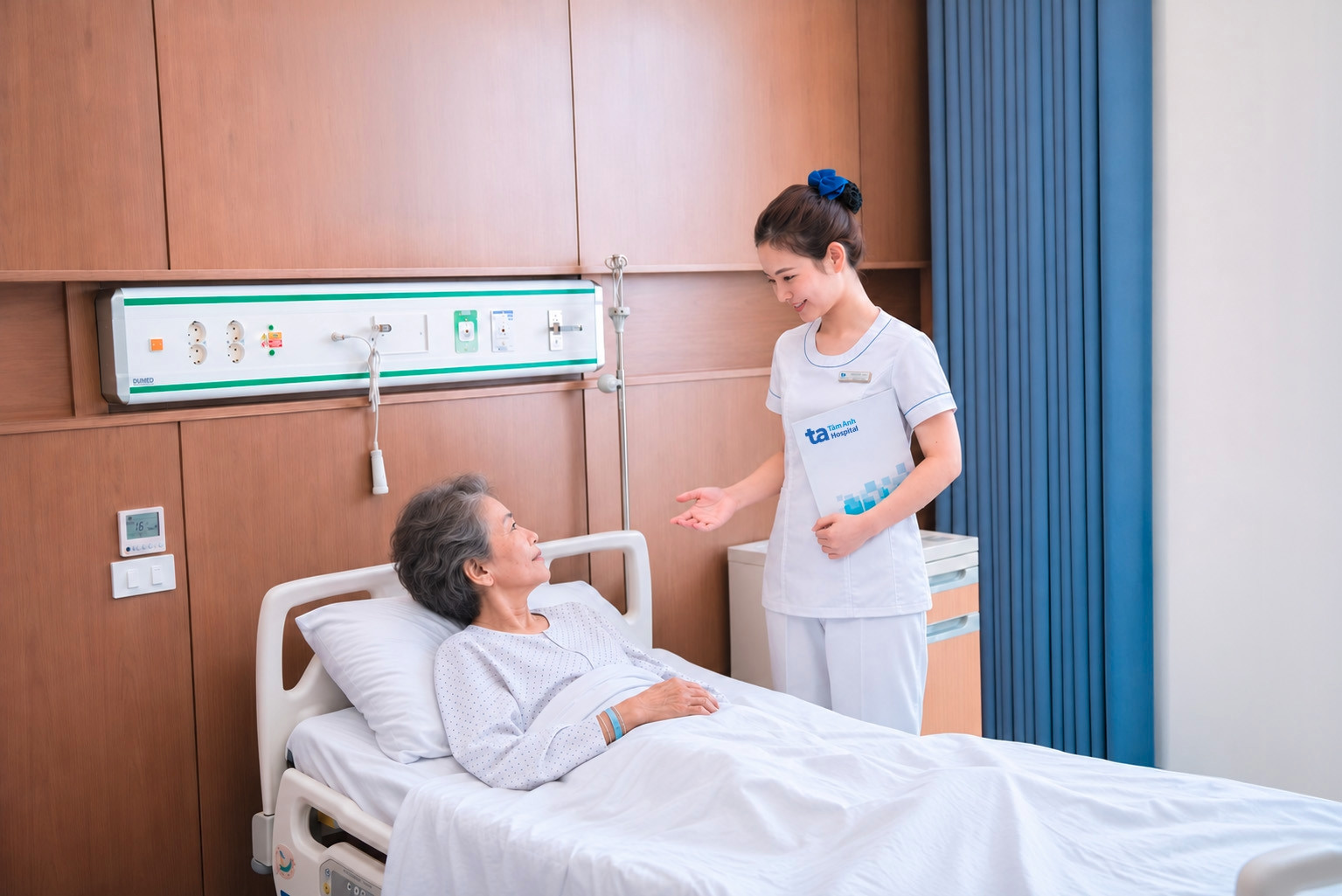
Prof. Van said the transferred technologies are intended for deployment at five Tam Anh General Hospital Group facilities in Hanoi and Ho Chi Minh City, which collectively handle more than 10,000 patient visits daily.
The group aims to make advanced cell-based medical services more accessible to Vietnamese patients domestically, potentially reducing the need to seek treatment overseas and supporting the development of medical tourism.
Cell therapy services are planned to be delivered through a same-day treatment model where clinically appropriate.
Tue Diem

