 Vietnamnet.vn

 Podcast



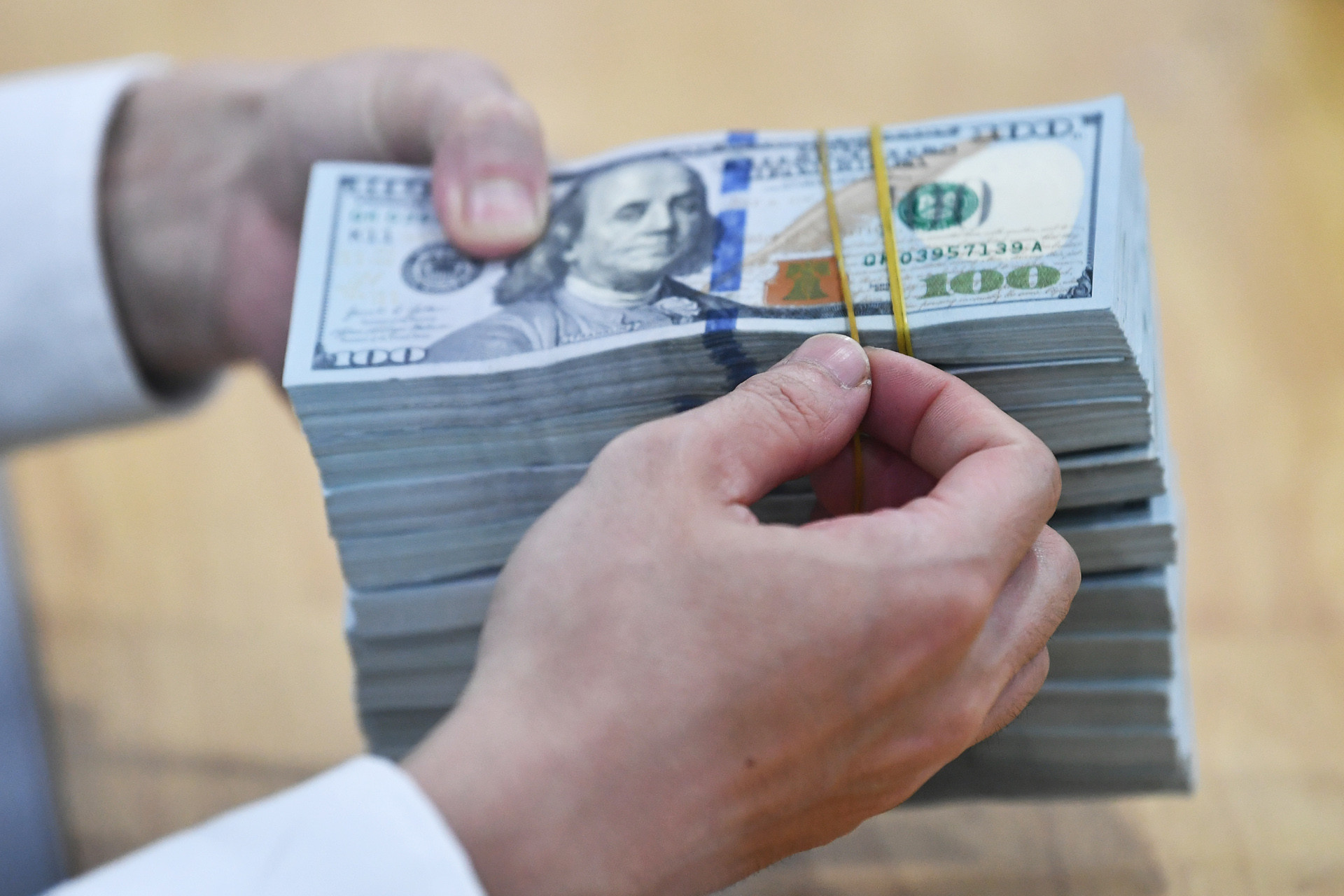
Vietnam's State Bank (SBV) is seeking public feedback on a draft decree amending regulations governing the country's foreign exchange reserves.
According to the SBV, during favorable market conditions it purchased foreign currencies to strengthen the country's foreign exchange reserves, creating a solid buffer to support national monetary policy.
As a result, Vietnam's foreign exchange reserves rose significantly from USD34.3 billion at the end of 2014 to a record of more than USD111.8 billion in January 2022.
However, reserves have gradually declined since that peak. They fell to USD86.7 billion by the end of 2022 and stood at nearly USD87.6 billion as of June 18, 2026.
The SBV said complex developments in domestic and international financial markets since January 2022 have negatively affected the foreign exchange market and placed significant pressure on the exchange rate.
The draft decree proposes that the Ministry of Finance continue depositing the State Treasury's foreign currency holdings with the SBV, except in certain special cases. The ministry would also submit to the prime minister for approval a ceiling on the amount of foreign currency retained to meet state budget spending needs.
The remaining foreign currency would be added to the country's official foreign exchange reserves.
The proposal also introduces provisions for handling cases in which the state budget faces a shortage of foreign currency, providing a clearer coordination mechanism among relevant agencies.
The SBV also proposes removing the requirement for the Ministry of Finance to conduct annual inspections of the SBV's foreign exchange reserve management. Instead, reporting would focus on reserve management and changes in reserve levels, with the SBV submitting an annual report on reserve movements to the government for presentation to the National Assembly Standing Committee.
In addition, the draft would recognize Special Drawing Rights (SDRs) - an international reserve asset issued by the International Monetary Fund (IMF) - as part of the sources used to build the country's foreign exchange reserves.
The proposal would also add foreign currency and gold options to the SBV's market intervention tools, expanding the range of instruments available for policy operations when necessary.
Notably, the draft introduces provisions allowing transactions between official foreign exchange reserves and credit institutions facing large-scale deposit withdrawals. Under the proposal, liquidity support in such special cases would be implemented in accordance with regulations issued by the SBV governor.
The draft also revises the scope of the Exchange Rate Stabilization Fund and Gold Market Management Fund to more clearly define foreign currency needs related to the SBV's operational activities.
Tuan Nguyen
.svg)
