 Vietnamnet.vn

 Podcast



At a press briefing on March 23 ahead of the first National Conference on Livestock and Veterinary Science and Technology, leaders from the Ministry of Agriculture and Environment stressed that while the sector holds significant potential, it must undergo deep transformation to realise its ambition of becoming “the world’s kitchen”.
Deputy Minister Phung Duc Tien emphasised that renewal is not optional but essential if Vietnam is to compete on the global stage.
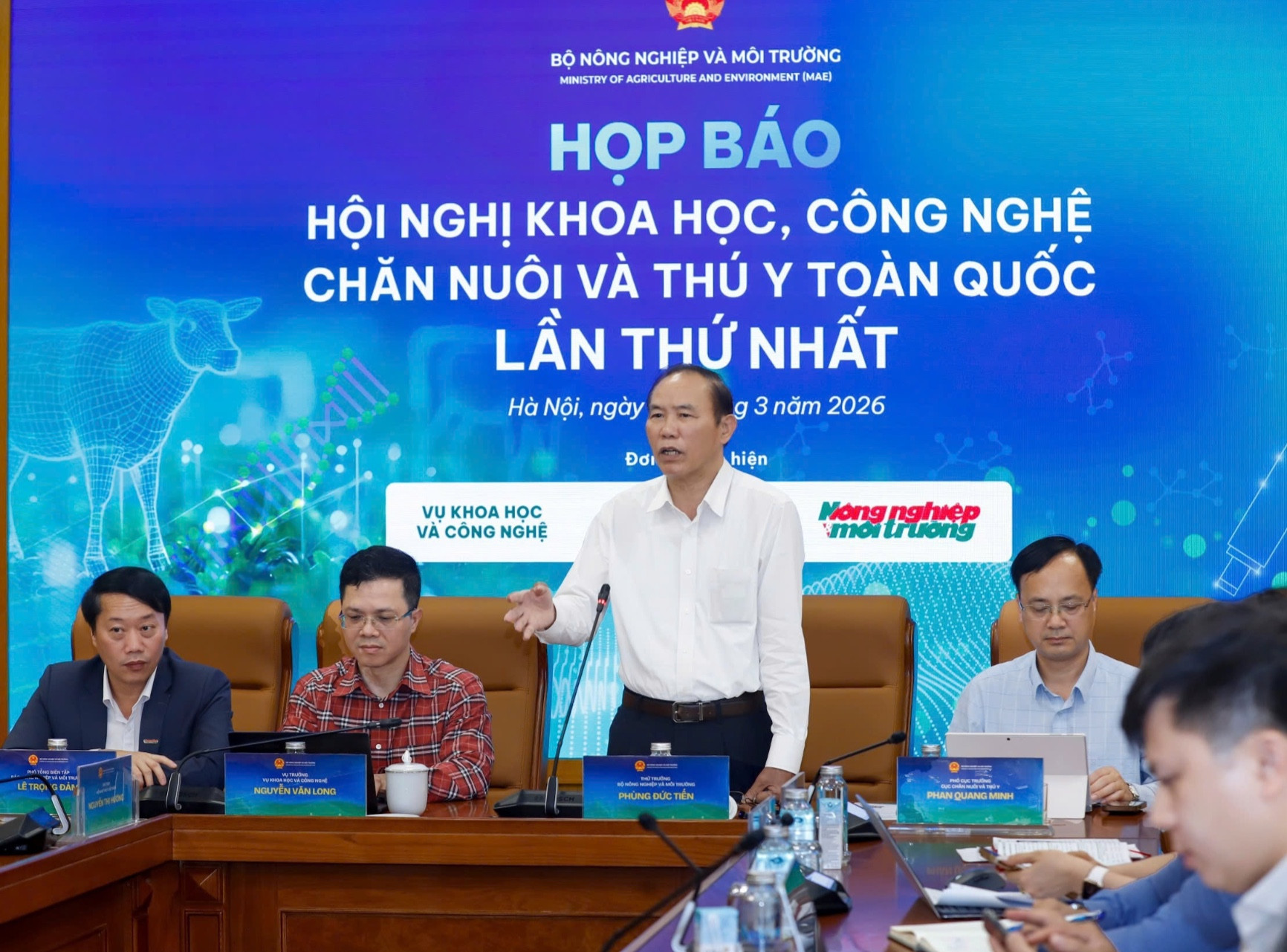
According to Phan Quang Minh, Deputy Director of the Department of Livestock and Veterinary, the sector currently accounts for around 26–28% of agricultural GDP, playing a central role in ensuring food security and supporting millions of livelihoods.
Yet behind this contribution lies a complex set of constraints. Small-scale household farming remains widespread, with continued reliance on imported breeds and inputs. Dangerous animal diseases continue to evolve unpredictably, while grassroots veterinary capacity remains uneven. At the same time, pressure is increasing to control antibiotic use, ensure food safety and address environmental concerns. Digital transformation and supply chain linkages also lag behind expectations.
These challenges stand in sharp contrast to the ambitious development strategy for 2030, with a vision to 2045, which calls for comprehensive modernisation across the entire value chain, stronger disease control, enhanced competitiveness and a shift towards export-oriented production.
To bridge this gap, science, technology and innovation must become the central driving force. The sector is being urged to move away from experience-based practices towards systems grounded in data, advanced technologies and risk management.
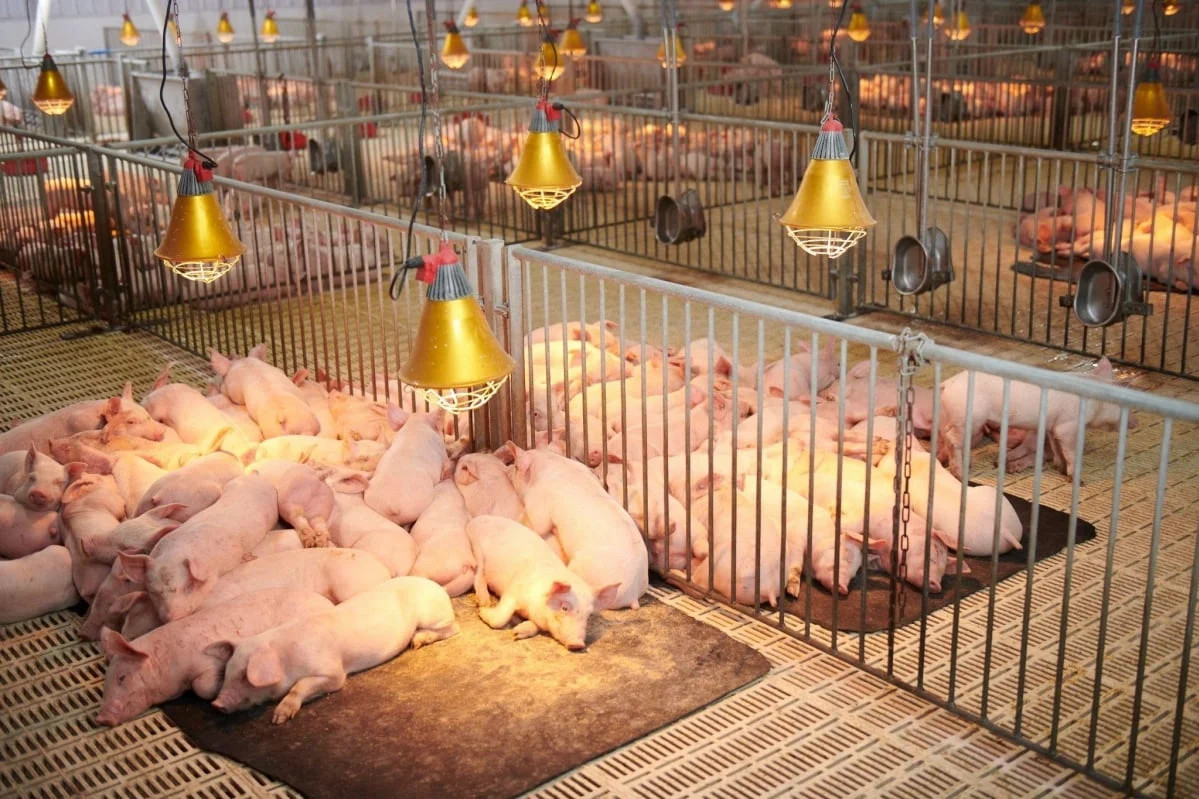
Over the past decade, livestock has been the fastest-growing and most stable segment within Vietnam’s agricultural sector, expanding at an annual rate of approximately 4.5–6.5%, according to Deputy Minister Tien. Advances in science and technology have laid a foundation for more sustainable development, spanning breeding, housing systems, farming methods and feed production.
Notably, Vietnam has emerged as one of the pioneering countries in successfully researching and producing vaccines for African swine fever, significantly strengthening its disease prevention capabilities.
Looking ahead, the sector aims to accelerate the adoption of modern technologies, tighten biosecurity standards, promote digital transformation and build integrated databases alongside traceability systems. Strengthening the link between research institutions and businesses will also be critical to ensuring that innovations are quickly translated into practical applications.
Regulators, meanwhile, are expected to maintain a comprehensive understanding of technological capabilities across the entire value chain - from breeding and feed to slaughtering and processing - in order to formulate more effective policies and management strategies.
“The livestock and veterinary sector has immense potential, but to become the world’s kitchen, we must reinvent ourselves,” Deputy Minister Tien said.
Vu Diep
.svg)
