 Vietnamnet.vn

 Podcast


During an afternoon question-and-answer session at the National Assembly, Minister of Science and Technology Vu Hai Quan addressed lawmakers' concerns about artificial intelligence (AI), particularly its growing use in education and the risks associated with the technology.
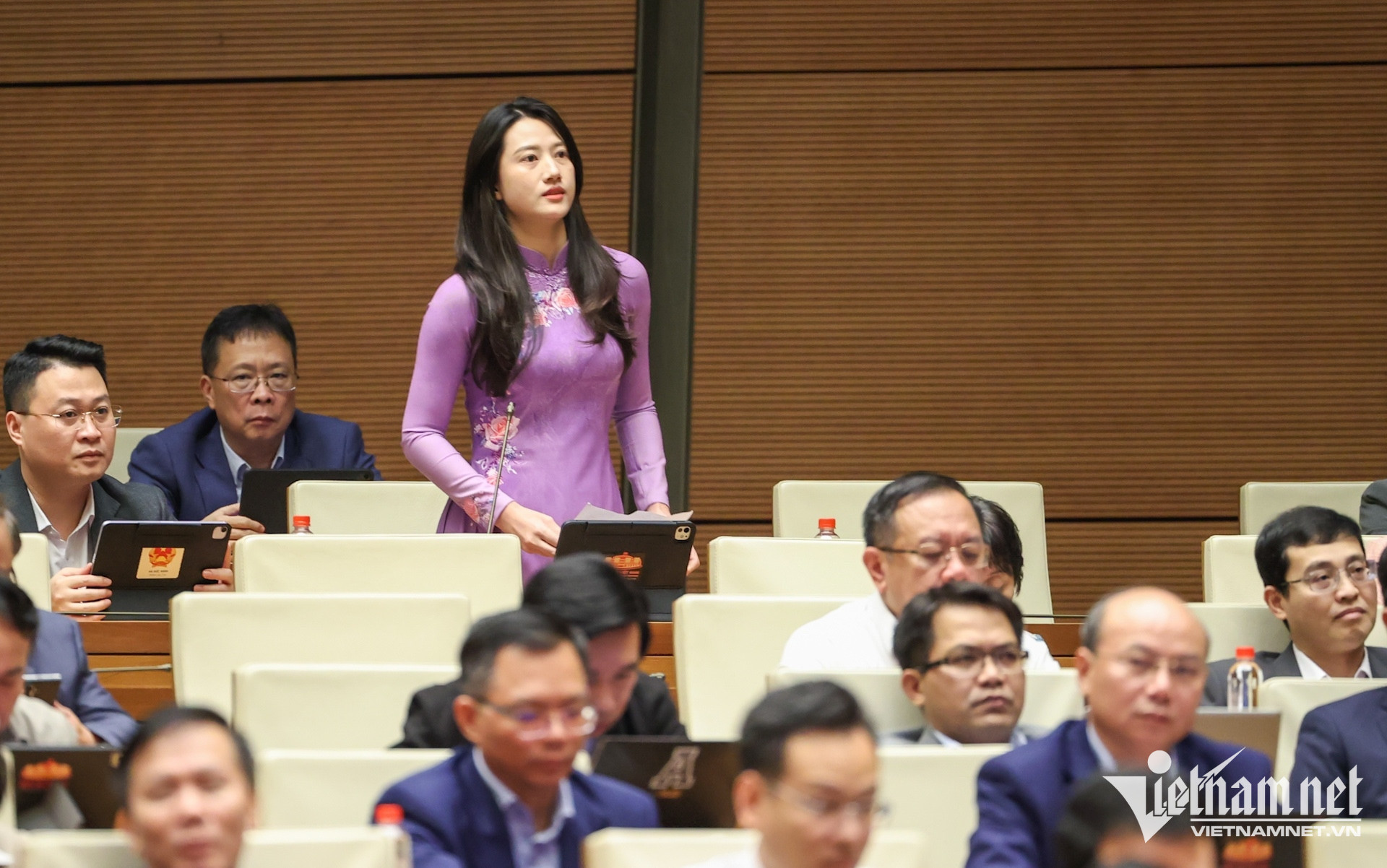
National Assembly deputy Si Thi Mai Anh of Lao Cai Province noted that the Ministry of Education and Training had issued guidelines on the safe and responsible use of AI in schools.
However, she warned that outside school supervision, students could still use generative AI to complete assignments and produce entire essays, reducing opportunities to think independently, develop critical thinking skills and exercise creativity.
The deputy asked the minister to propose solutions that would enable students to benefit from AI without becoming dependent on it.
Minister supports restricting AI use among younger students
Responding to the question, Quan recalled his experience as a university lecturer who was accustomed to teaching with chalk and a blackboard.
He said he understood concerns about AI's impact on learning and emphasized that excessive reliance on the technology in education required serious attention.
The Ministry of Science and Technology has classified AI systems into high-, medium- and low-risk categories and developed mechanisms to ensure their safe use.
Speaking in a personal capacity rather than outlining an official ministerial policy, Quan expressed support for restrictions on AI use among younger students.
"If you ask me personally, rather than as a minister, some developed countries have begun restricting or even banning students from using AI, particularly at lower educational levels. I agree with this approach," he said. "Perhaps we should also consider preventing or limiting its use, especially among younger students. When they grow older and become more mature, using AI to ask questions can be very beneficial. But when they are still young, this is something we should carefully consider."
The minister stressed that AI use in education should be appropriate to students' ages and must not replace independent learning, reasoning or intellectual development.
Families urged to protect children from AI-powered scams
During the same session, National Assembly deputy Pham Van Hoa of Dong Thap Province raised concerns about criminals using AI to forge signatures, imitate voices and reproduce handwriting for fraud and extortion.
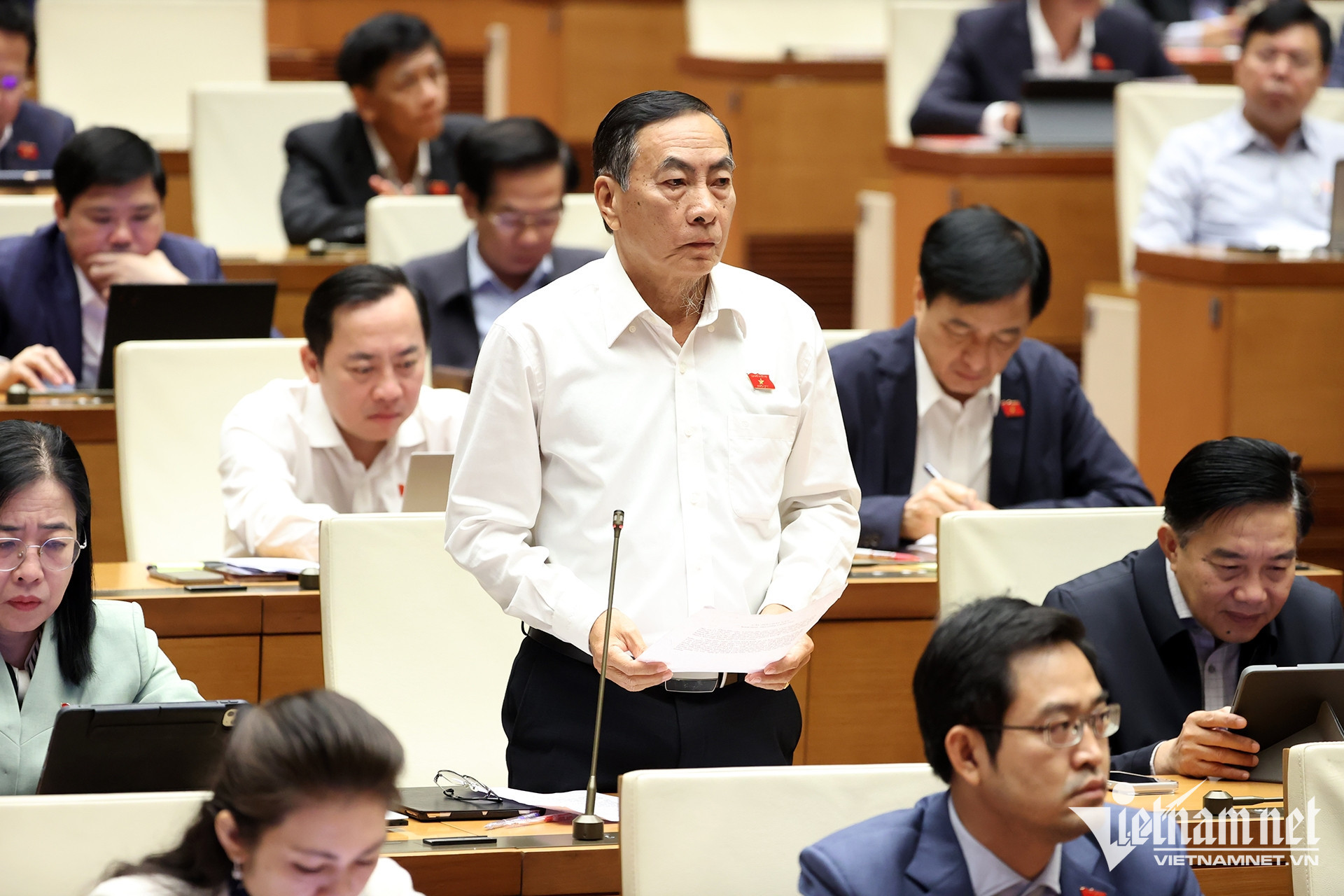
He also pointed to the absence of dedicated national standards for high-risk AI systems and expressed concern about students relying excessively on AI to complete homework and examinations.
Responding, Quan said Vietnamese law already contains clear provisions addressing the misuse of AI to impersonate individuals through fabricated images, voices and signatures.
He identified three groups that share responsibility for preventing such abuses: AI service providers and platform developers, organizations deploying AI systems in Vietnam, and end users.
The minister emphasized that these groups are closely interconnected and must work together to ensure responsible use.
"AI-generated content must be labeled. Failure to do so constitutes a violation of Vietnamese law," Quan stated.
He acknowledged that AI can reproduce human faces and voices but argued that it cannot replicate genuine human relationships, emotions, intelligence or character.
For this reason, he said families play a particularly important role in protecting children from AI-enabled fraud.
"If parents spend more time caring for and talking with their children, it will be very difficult for AI to deceive them," the minister explained.
He encouraged families to communicate more openly and strengthen their relationships so that children can recognize potential risks and protect themselves from the harmful effects of AI.
Balancing AI development with data protection
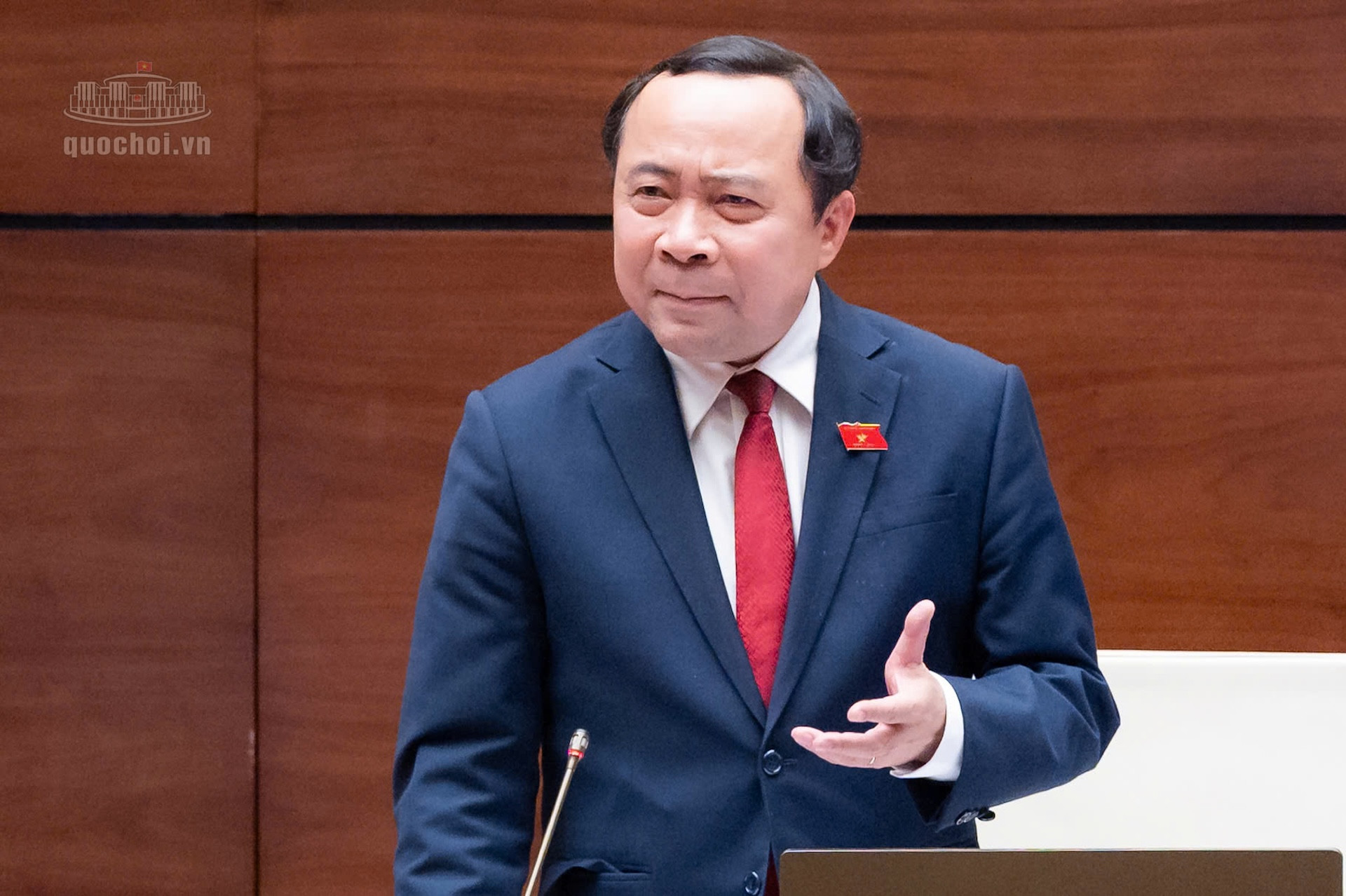
Earlier the same day, Quan told lawmakers that Vietnam was among the first countries to enact legislation specifically governing artificial intelligence.
He highlighted the challenge businesses face in balancing technological development with data security.
"If an online newspaper allows AI systems to access its data, traffic could increase significantly. But conversely, the newspaper may lose control of that data because AI can extract it," he explained. "From the perspective of a business operating in the AI sector, balancing data protection and security with development is a challenge that business leaders must address."
According to the minister, Vietnam's Law on Science and Technology, AI Law and accompanying decrees and circulars have established an ethical framework for artificial intelligence, along with mechanisms for assessing different levels of AI-related risk.
These regulations also provide recommendations for businesses and technology developers on when and how AI should be deployed responsibly.
Tran Thuong

