 Vietnamnet.vn

 Podcast



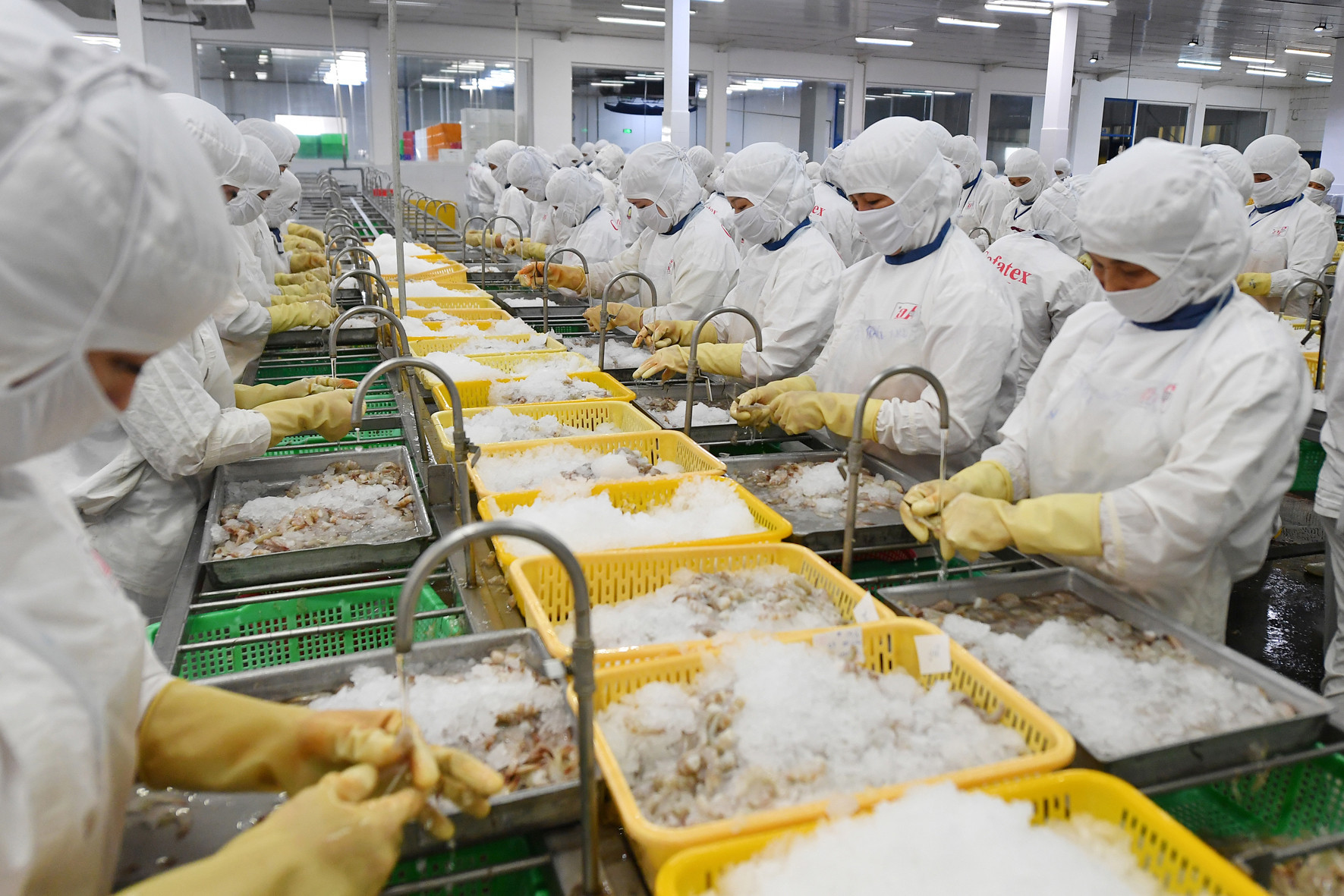
Notably, monthly seafood export revenue exceeded $1 billion in five months this year, strengthening expectations that this key export sector could bring in more than $12 billion for the full year.
Le Hang, Deputy Secretary General of the Vietnam Association of Seafood Exporters and Producers (VASEP), said China, including Hong Kong, remained the largest market in July, with exports worth more than $267 million, up 24.7%. Over the first seven months, exports to the market of more than a billion consumers reached nearly $1.74 billion, surging 34.5%.
Much of the industry’s overall growth came from the Chinese market. Without the additional export revenue of more than $445 million generated there, Vietnam’s seafood export picture would have been considerably less positive.
For the US market, exports reached only $159 million in July. In the first seven months of 2026, shipments to the US brought in more than $1.05 billion, up just 0.3% year on year.
“This figure does not yet fully reflect the impact of Section 301 tariffs because the new rate was announced by the US Trade Representative on July 23. A greater impact will emerge in shipments clearing customs from late July onwards,” Hang said.
Exports to Japan rose by just 2.6%, while shipments to the CPTPP group of markets maintained growth of 8.1%.
In contrast, seafood exports to the EU, South Korea, ASEAN and the Middle East all recorded significant declines in July.
The VASEP deputy secretary general also pointed to a series of challenges confronting the seafood industry during the remaining months of the year as it pursues the $12 billion export target.
For the shrimp industry, exports reached $2.78 billion in the first seven months, up 12.6% year on year. However, growth of just 4.5% in July was considerably slower than the pace recorded over the seven-month period as a whole, suggesting that shrimp exports are no longer maintaining the strong momentum seen at the beginning of the year.
According to Hang, a significant share of the current growth momentum is coming from lobster exports to China, while whiteleg shrimp and black tiger shrimp are facing increasingly fierce competition in the US, EU and Japanese markets.
“The greatest pressure comes from Ecuador,” Hang said.
Ecuadorian shrimp supplies continue to expand rapidly, encompassing not only head-on shrimp but also headless, peeled and processed products. This is an important shift because Ecuador is moving beyond its position as a supplier of low-cost raw materials and increasingly competing directly with Asian processors in the value-added segment.
In the US, Vietnam also faces a less favorable tariff position, as competitors including Ecuador, India and Indonesia are subject to lower rates.
Hang said the scenario of seafood exports exceeding $12 billion remains achievable. However, growth during the remaining months of the year could slow considerably.
The most immediate factor is the US Section 301 tariff. According to Hang, the 12.5% tariff applied to Vietnam will have three consequences.
First, new contracts with US buyers will be renegotiated. Importers may seek lower FOB prices, ask suppliers to share the tariff burden or sign only short-term contracts.
Second, Vietnam will be at a disadvantage compared with Ecuador, India and Indonesia, which are subject to a 10% rate. The difference is particularly important for whiteleg shrimp, canned tuna and standard frozen seafood products.
Third, the new tariff will be added to most-favored-nation tariffs as well as anti-dumping and countervailing duties where applicable. Purchasing decisions will therefore be made on a company-by-company and product-code basis rather than through broad comparisons between supplier countries.
On the positive side, Vietnam has issued regulations banning imports of goods produced using forced labor, effective from early September 2026. This provides a basis for Vietnam to continue discussions with the US, although in the short term there has been no official information indicating that the 12.5% tariff will be immediately adjusted.
In the fourth quarter, Hang expects pangasius exports could recover if businesses secure contracts to replace supplies of cod or pollock for the year-end consumption season. Greater opportunities lie in portioned, breaded and ready-to-eat pangasius products rather than continuing to depend almost entirely on frozen fillets.
The outlook for shrimp exports in the final months of the year, meanwhile, will depend on Chinese demand for lobster, Vietnam’s ability to retain orders for deeply processed products in Japan and the EU, and the extent to which US orders shift to Ecuador, India or Indonesia after the new tariff takes effect.
Tam An
.svg)
