 Vietnamnet.vn

 Podcast



On February 4 in Hanoi, under the auspices of the Ministry of Science and Technology, the Vietnam Software and IT Services Association (VINASA), the Vietnam–Japan IT Cooperation Committee (VJC), the Japan External Trade Organization (JETRO), and the Japan Information Technology Services Industry Association (JISA) jointly organized Japan ICT Day 2026.
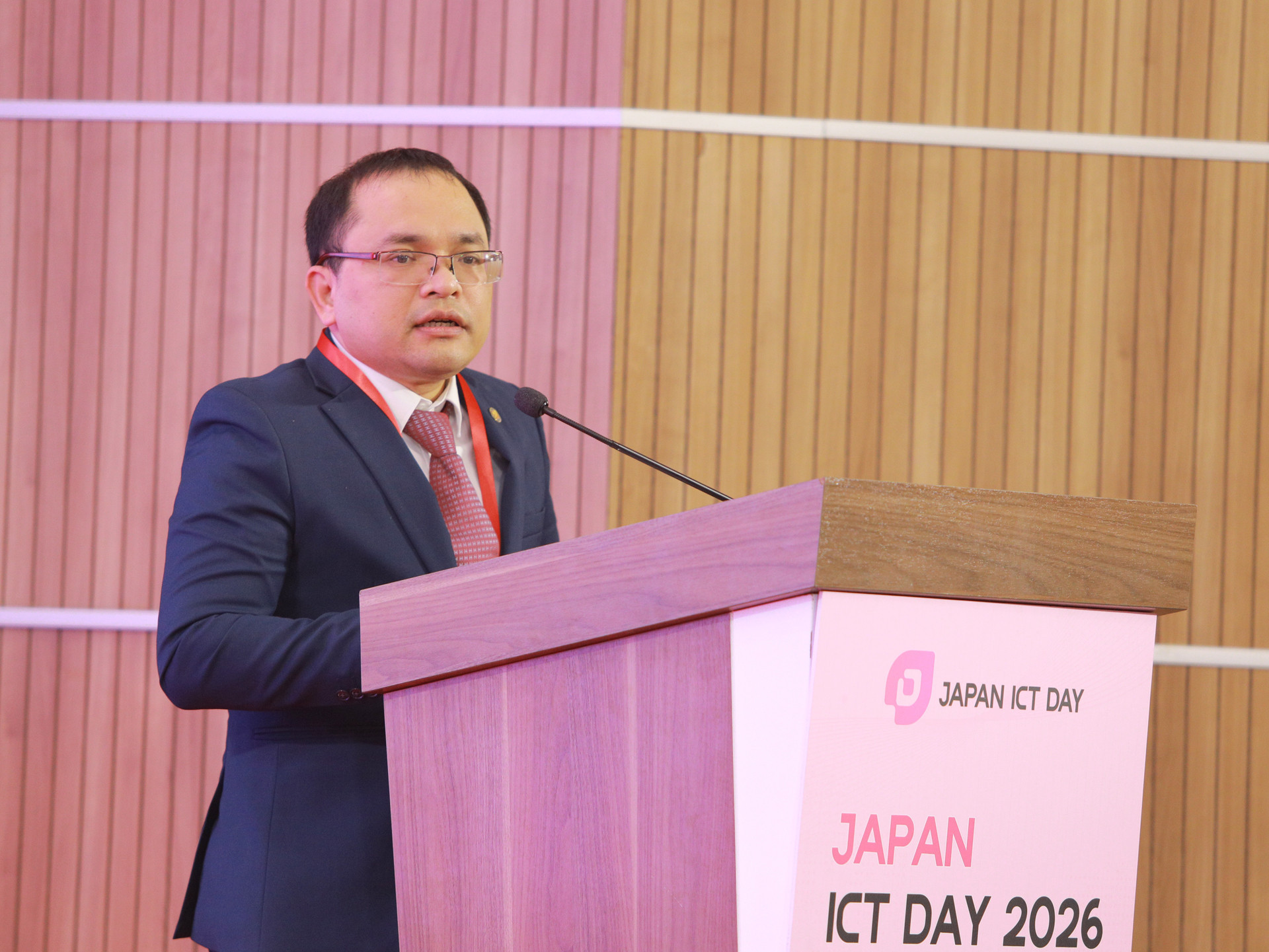
Mr. Tran Anh Tu: Vietnam’s digital businesses are evolving from outsourcing to co-owning future technologies.
Speaking at the event, Tran Anh Tu, Deputy Director General of the Department of IT Industry, emphasized that over nearly two decades, Japan ICT Day has evolved into a landmark meeting point for the tech communities of both nations - one that fosters vision-sharing, trust-building, and long-term, substantive collaboration.
According to Tu, Japanese tech firms have developed an increasingly deep and high-quality presence in Vietnam, while Vietnamese digital businesses have matured significantly in serving Japan’s demanding market.
“Our partnership is shifting - from outsourcing to co-creation, from technology transfer to joint mastery,” he said. “This includes strategic sectors such as artificial intelligence, semiconductors, big data, digital platforms, smart manufacturing, and green production.”
VINASA representative Le Quang Luong, Chair of the VJC Committee, reflected on the remarkable progress since 2007, when Vietnam’s software exports to Japan were modest and largely focused on low-cost outsourcing.
“Today, hundreds of thousands of Vietnamese engineers are operating the ‘arteries’ of Japan’s economy,” he said.
Three strategic proposals for future cooperation
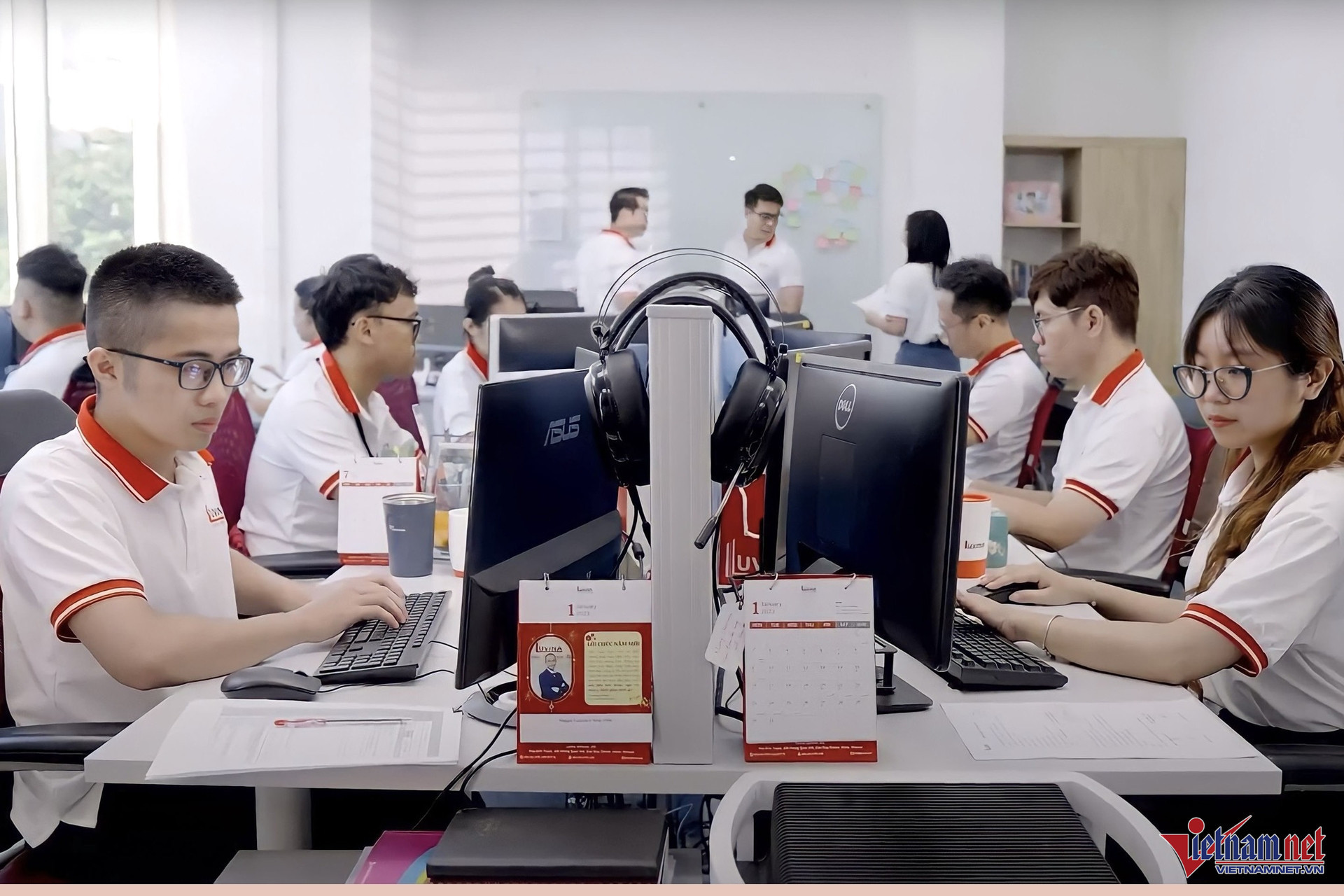
Amidst the AI boom reshaping business collaboration models, VINASA and VJC proposed three strategic directions for the Vietnam–Japan digital business community:
Transitioning from “manpower outsourcing” to “AI-powered productivity partnerships.”
Unlocking opportunities in the Vietnamese domestic market.
Establishing two-way talent exchange mechanisms.
Expanding on the second strategy, Luong noted that 56.1% of Japanese companies in Vietnam plan to expand operations - ranking highest in ASEAN and fourth globally.
“This is a massive market right at our feet. Why should Japanese factories here import expensive international software when Vietnamese tech firms are capable of delivering?” he asked. “Local companies must seize this home-court advantage and turn it into real revenue.”
On workforce transformation, Junya Kawamoto, Vice Chair of JISA’s International Committee, remarked: “Japan’s IT services industry is undergoing a generational shift. We are no longer looking for cheap labor - we need strategic partners who can apply Generative AI to help Japan tackle the forecasted shortage of 800,000 IT personnel by 2030.”
Vietnamese and Japanese firms are already building AI agents together, automating business and production processes. Solutions from companies like NTT e-MOI and GMO Z.Com Runsystem were highlighted at the event.
Representatives from JETRO Hanoi agreed that the coming phase holds significant potential for bilateral expansion. One initiative being rolled out this year is the formation of bid consortiums: Japanese companies contribute brand and technology, while Vietnamese firms deliver speed and execution. These alliances aim to jointly pursue large projects in third markets such as ASEAN, the US, and Europe.
“To promote global open innovation, JETRO launched the J-Bridge business platform,” said Haruhiko Ozasa, JETRO Hanoi’s Chief Representative. “It provides daily updates about Vietnamese startups interested in collaborating with Japanese firms. As Vietnam’s tech ecosystem grows more advanced, Japanese companies will gain more trusted partners.”
With practical formats like ‘1:1 business matching’ and ‘company tours’, Japan ICT Day 2026 encouraged firms not only to exchange business cards but also to exchange real challenges - and place pilot orders for solutions on the spot.
Organizers emphasized that Vietnamese tech companies no longer want to be mere outsourcing vendors - they want to be co-creators tackling future challenges side-by-side with Japan.
Van Anh
.svg)
