 Vietnamnet.vn

 Podcast



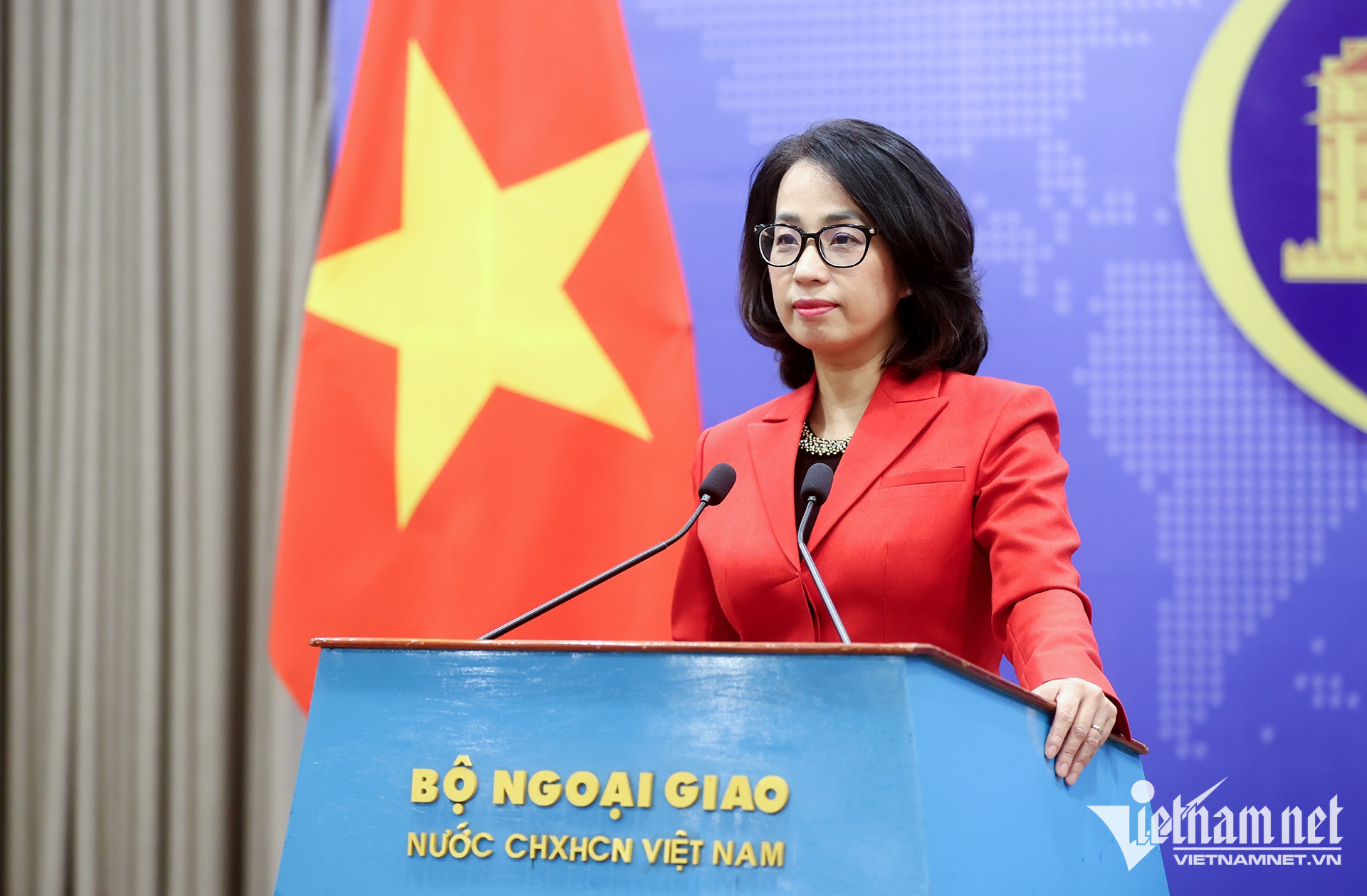
Vietnam and Canada have maintained a Comprehensive Partnership since 2017, with both sides recently signaling an interest in taking bilateral relations to a new level.
Hang said Vietnam’s relationship with the United Nations had continued to expand across multiple areas since the country joined the organization in 1977, ranging from sustainable development and peacekeeping to international security and responses to global challenges.
Throughout its participation in the UN, Vietnam has put forward initiatives, contributed to joint efforts and taken on responsibilities at a range of UN bodies and forums, she said.
Vietnam is continuing to seek and hold roles in various UN mechanisms, Hang added.
Alongside his participation in the General Assembly, To Lam and the high-level Vietnamese delegation will carry out a series of bilateral activities in the United States.
Vietnam and the US established a Comprehensive Strategic Partnership in 2023, and Hang said political and diplomatic relations had continued to develop through exchanges and meetings at different levels.
Economic, trade and investment ties have continued to grow, while security and defense cooperation has produced progress, particularly in addressing the legacies of the Vietnam War, she said.
Science and technology cooperation has also expanded into high-tech fields including semiconductors, artificial intelligence, nuclear energy and training for highly skilled workers.
Hang said the US attaches importance to Vietnam’s role and works with the country on regional and global issues.
Vietnam’s Comprehensive Partnership with Canada, meanwhile, has continued to develop steadily, although Hang said considerable room remained for the two countries to deepen their relationship.
Canada is prioritizing areas including energy, critical minerals, artificial intelligence and high-tech agriculture, while Vietnam is seeking to upgrade its industrial base and develop its digital and green economies.
According to Hang, the overlap in their needs, interests and development priorities provides opportunities to take bilateral relations further.
A shift in Vietnam’s diplomatic approach
The briefing also addressed broader changes in Vietnam’s foreign policy as the country steps up high-level diplomatic engagement.
Asked about recent shifts in Vietnam’s thinking and approach to foreign affairs, Hang said senior Party and state leaders had carried out numerous high-level diplomatic activities following the foreign policy direction adopted at the 14th National Party Congress.
Those engagements have taken place both bilaterally and through multilateral forums, while Vietnam has also received a number of high-level foreign delegations.
Hang said the changes reflected a new approach to implementing the country’s foreign policy.
She said one of the clearest shifts was the elevation of diplomacy as a pioneering force and a regular, key national task, with foreign relations expected to contribute directly and practically to Vietnam’s development and national defense goals.
“Foreign affairs and international cooperation must generate resources and momentum for the country’s development and help build national strength,” Hang said.
She added that strategic autonomy should be reflected in individual visits and agreements, while diplomatic commitments should ultimately be translated into concrete and effective projects and outcomes.
Following each high-level diplomatic engagement, Vietnamese ministries, government agencies, local authorities and businesses are expected to turn agreements reached by senior leaders into programs, plans and projects serving their respective sectors and localities.
Tran Thuong
.svg)
