 Vietnamnet.vn

 Podcast


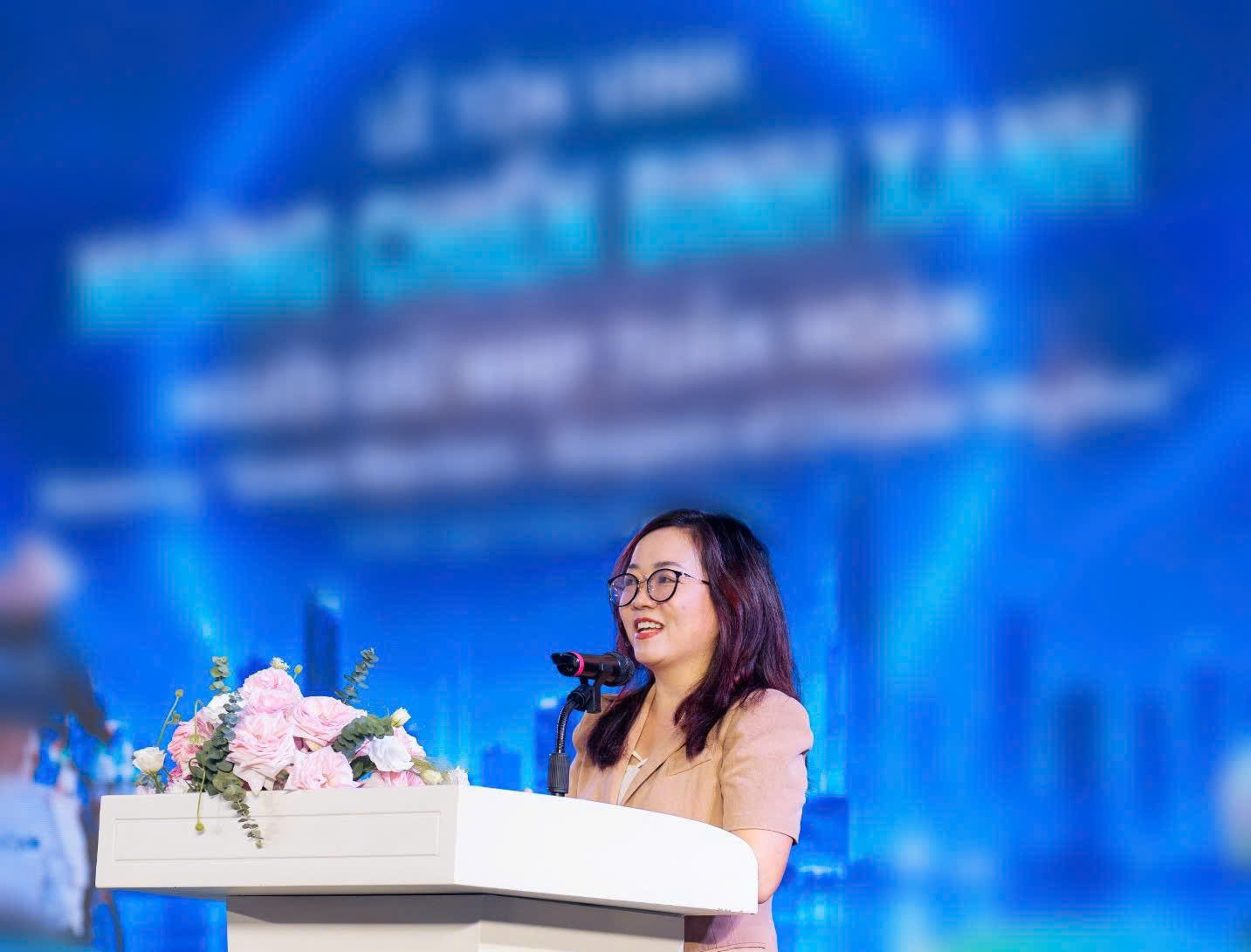
"Have you ever imagined that one day, the stories of Vietnamese women collecting scrap materials would be told at a forum attended by the world's leading business and political figures?" Le Thi Hong Nhi, Vice President of Communications, Corporate Affairs and Sustainability at Unilever Vietnam, told VietNamNet on the sidelines of an event exploring the circular economy and women's role in it.
According to Nhi, the stories of Vietnamese women waste collectors recently reached millions of international readers and viewers through the World Economic Forum.
What caught the world's attention was not that these women were doing something new or extraordinary, she said, but a growing recognition that major environmental solutions sometimes begin with the most ordinary people.
Vietnam's waste problem makes their contribution particularly important.
Figures from the Ministry of Agriculture and Environment show that the country generates approximately 1.8 million tonnes of plastic waste each year, of which between 280,000 and 730,000 tonnes end up in the sea.
Alarmingly, only around 27% of this waste is collected, recycled or recovered by businesses and waste treatment facilities, placing enormous pressure on urban waste sorting and processing infrastructure.
From the perspective of a company implementing extended producer responsibility (EPR), Nhi believes that even the most advanced technology cannot resolve every challenge without the people who make recycling possible.
Whether in an era of green technology or artificial intelligence, she said, a discarded plastic bottle cannot enter the circular economy unless someone first collects and sorts it.
Looking more closely at how materials move through urban economies, Nhi said informal waste collectors possess an intimate understanding of different types of recyclable materials, their market value and the practical risks involved in trading them.
Their knowledge comes from years of experience in a specialised market, something no research report or boardroom discussion can fully replicate.
"They are not standing on the sidelines of the green transition. They are an important part of the green economy, both today and in the future," Nhi said.
Without these workers, she added, the supply of recyclable materials to modern processing plants could be disrupted before the recycling process even begins.
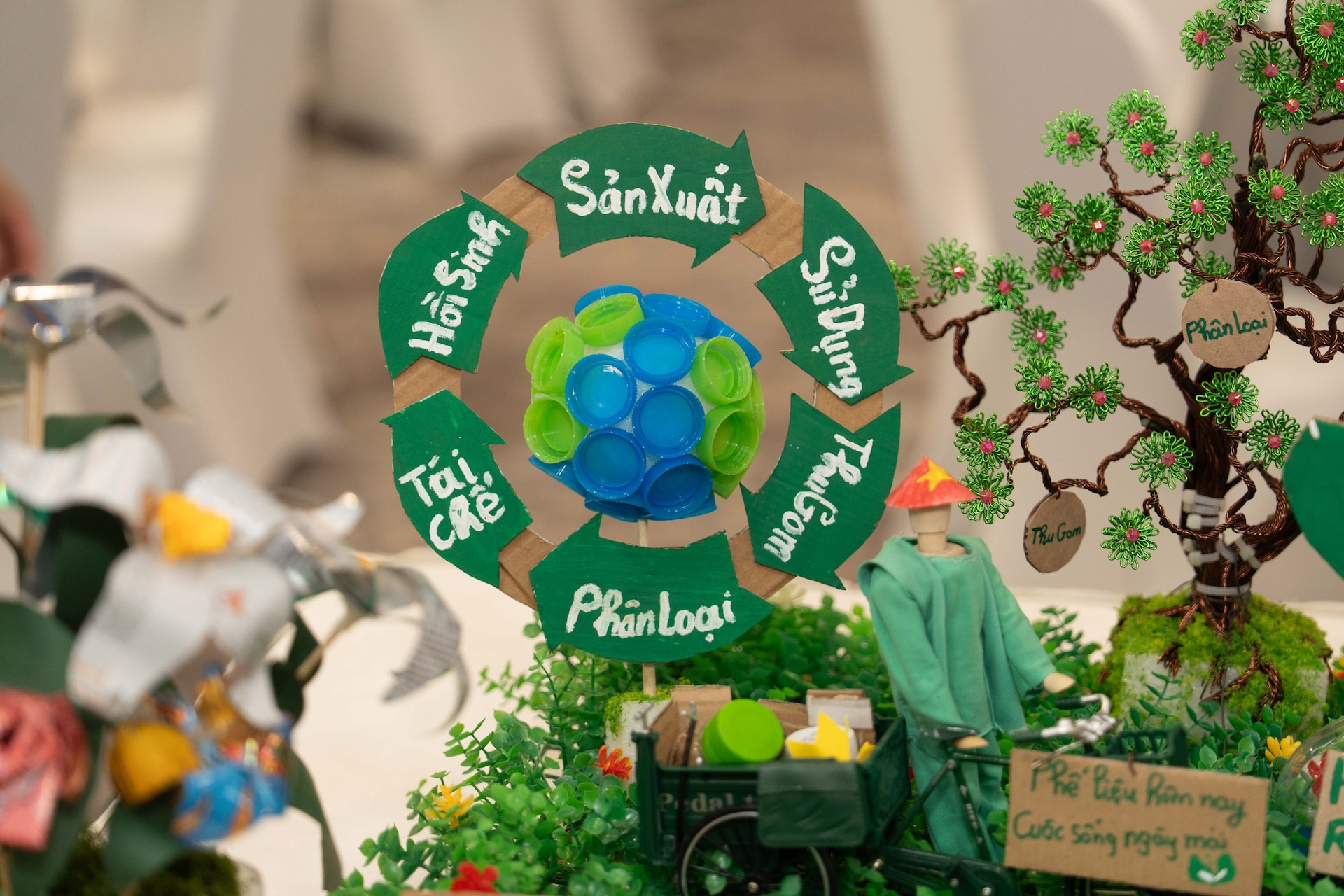
To illustrate their contribution, Nhi pointed to The Plastic Reborn, a project launched by Unilever Vietnam and VietCycle in 2021 in Ho Chi Minh City and Hanoi.
Since its launch, women waste collectors involved in the initiative have helped recover more than 40,000 tonnes of plastic waste.
The project has also provided support, including social insurance and protective equipment, to approximately 3,000 informal waste collectors involved in plastic waste recovery.
Nhi believes the circular economy must develop into an inclusive ecosystem rather than focusing solely on technology or packaging waste treatment.
By making use of EPR mechanisms and waste sorting policies at source, Vietnam could transform its largely informal collection networks into a more modern system, with better occupational safety, transparent purchasing prices and healthcare benefits for women workers.
Sharing this view, Hoang Duc Vuong, Vice Chairman of the Vietnam Plastics Association and Chairman of VietCycle Joint Stock Company, stressed that people remain central to every policy on the circular economy and waste sorting at source.
Vietnam is estimated to have around one million people working in scrap collection, he said.
From an economic perspective, this workforce plays an essential role in the country's efforts to build a circular economy.
Thu Ha

