 Vietnamnet.vn

 Podcast



On the morning of Oct. 2, the Ministry of Foreign Affairs and the Central Commission for Policies and Strategies held the Vietnam Maritime Forum 2026 under the theme "International Cooperation and Integration in Building Vietnam into a Strong Maritime Nation."
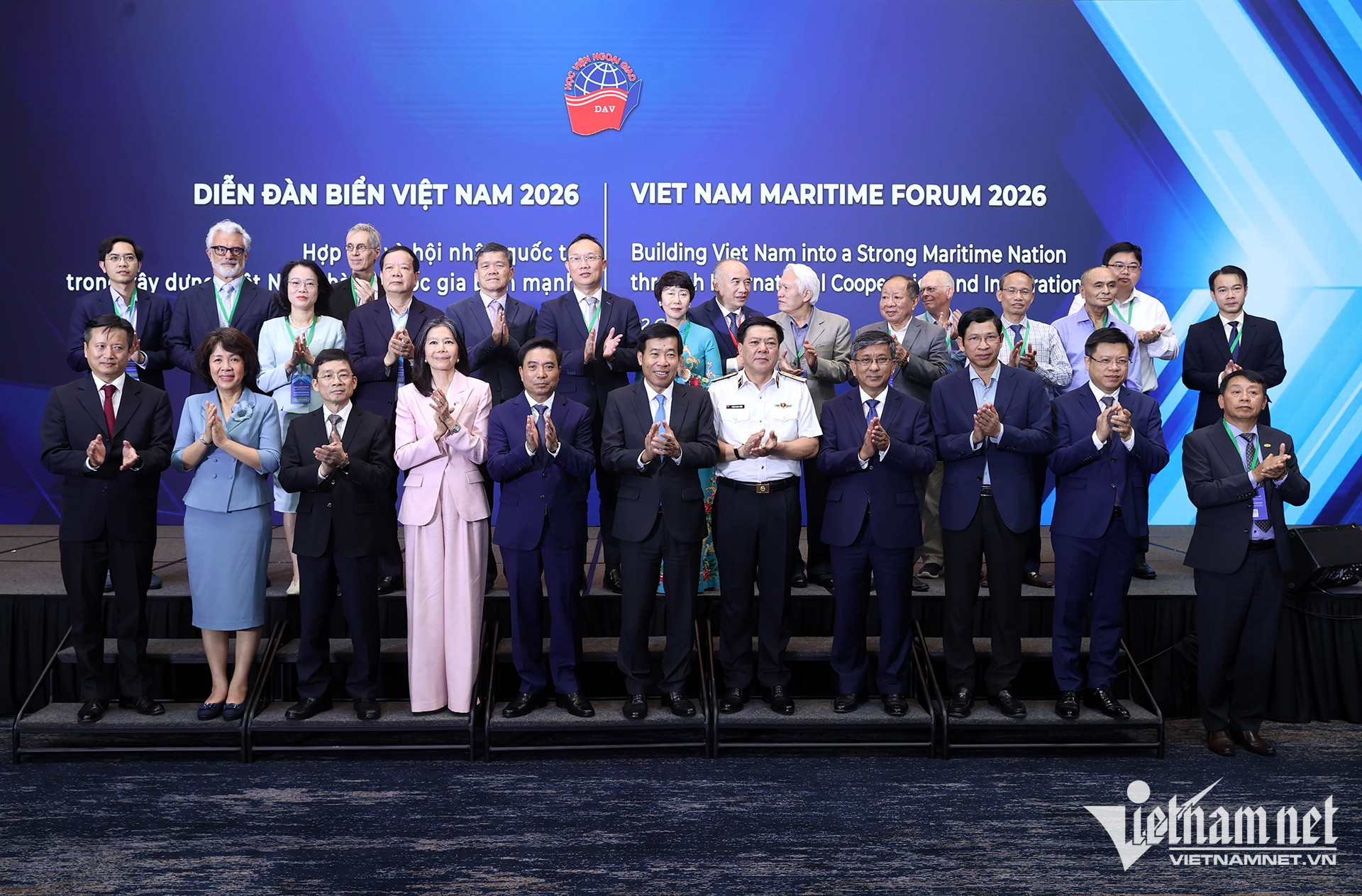
The forum focused on discussions and recommendations for cooperation priorities and solutions to implement the Party Central Committee's Resolution No. 20 on building and developing Vietnam into a strong maritime nation, turning the country's marine potential into tangible and sustainable development resources.
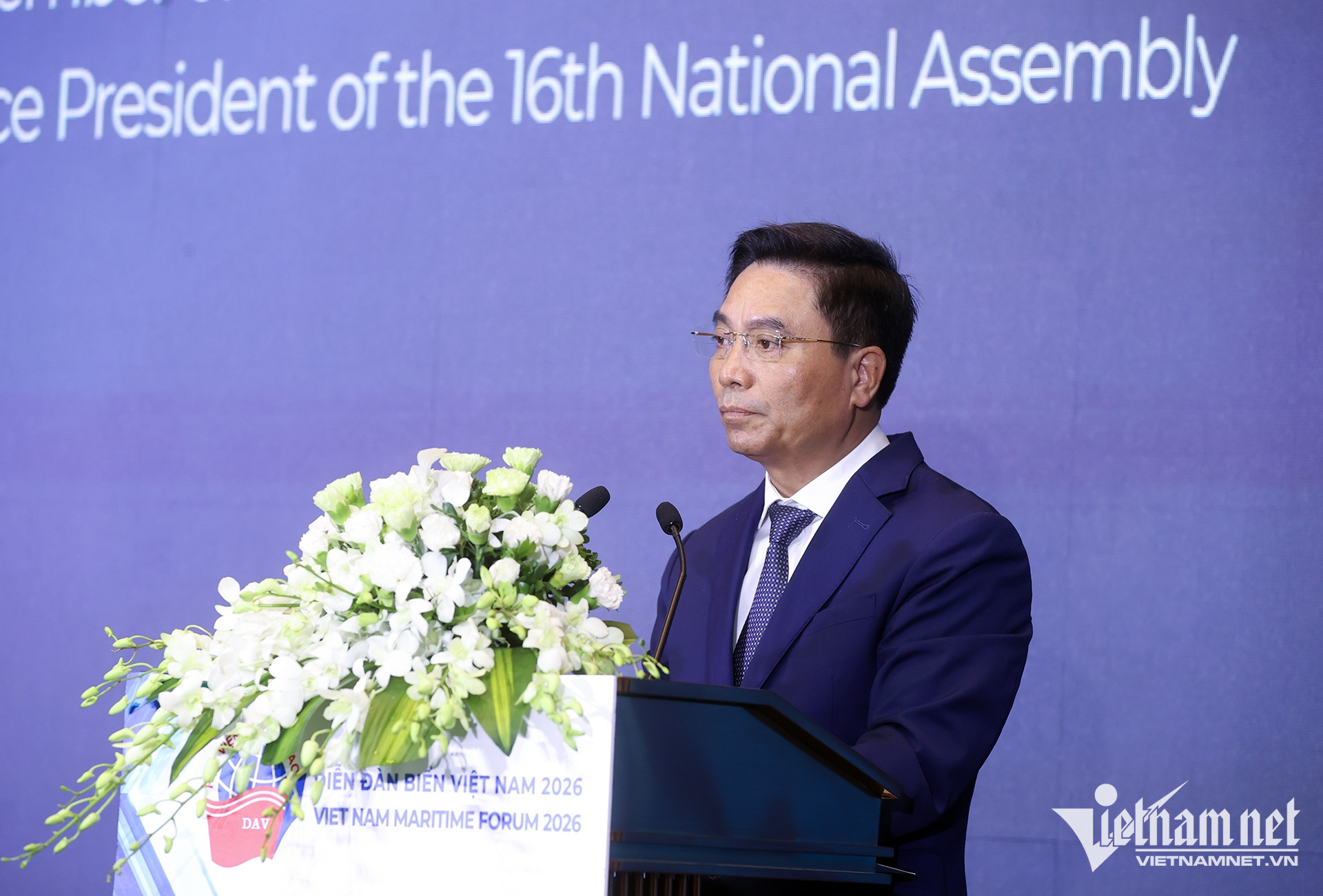
Opening the forum, National Assembly Vice Chairman Nguyen Doan Anh said the Communist Party of Vietnam had identified two strategic centennial goals. To realize those aspirations, Vietnam needs to expand its development space, create new growth drivers and strengthen its overall national power.
The sea represents a strategic space in that process. A Vietnam with greater maritime strength would also have greater capacity to contribute to regional and international cooperation, help maintain peace and stability at sea, and promote the sustainable and efficient use of marine resources.
The National Assembly vice chairman stressed that the sea is an important foundation of the country's overall national strength and that building and developing Vietnam into a strong maritime nation is a long-term national development strategy.
Science and technology, innovation and digital transformation have been identified as key drivers for mastering knowledge of marine technologies, closely integrated with socioeconomic development, environmental protection and the firm safeguarding of national sovereignty and security.
He said a Vietnam with greater maritime strength would also be able to contribute more to peace, cooperation and sustainable development.
In that spirit, Vietnam seeks to continue proactively and actively participating in efforts to address shared challenges facing seas and oceans in accordance with international law. Vietnam's approach is one of jointly shaping solutions through dialogue, international law, confidence-building, interconnected interests and broader consensus.
According to the National Assembly vice chairman, Vietnam advocates inclusive and equitable global governance frameworks that fully reflect development realities and take into account the voices of all countries, particularly developing nations, countries facing special circumstances and vulnerable states.
At sea, that vision means working with other countries and partners to build a space of peace, cooperation and connectivity where sovereignty and legitimate rights and interests are respected, differences are managed and common interests continue to expand.
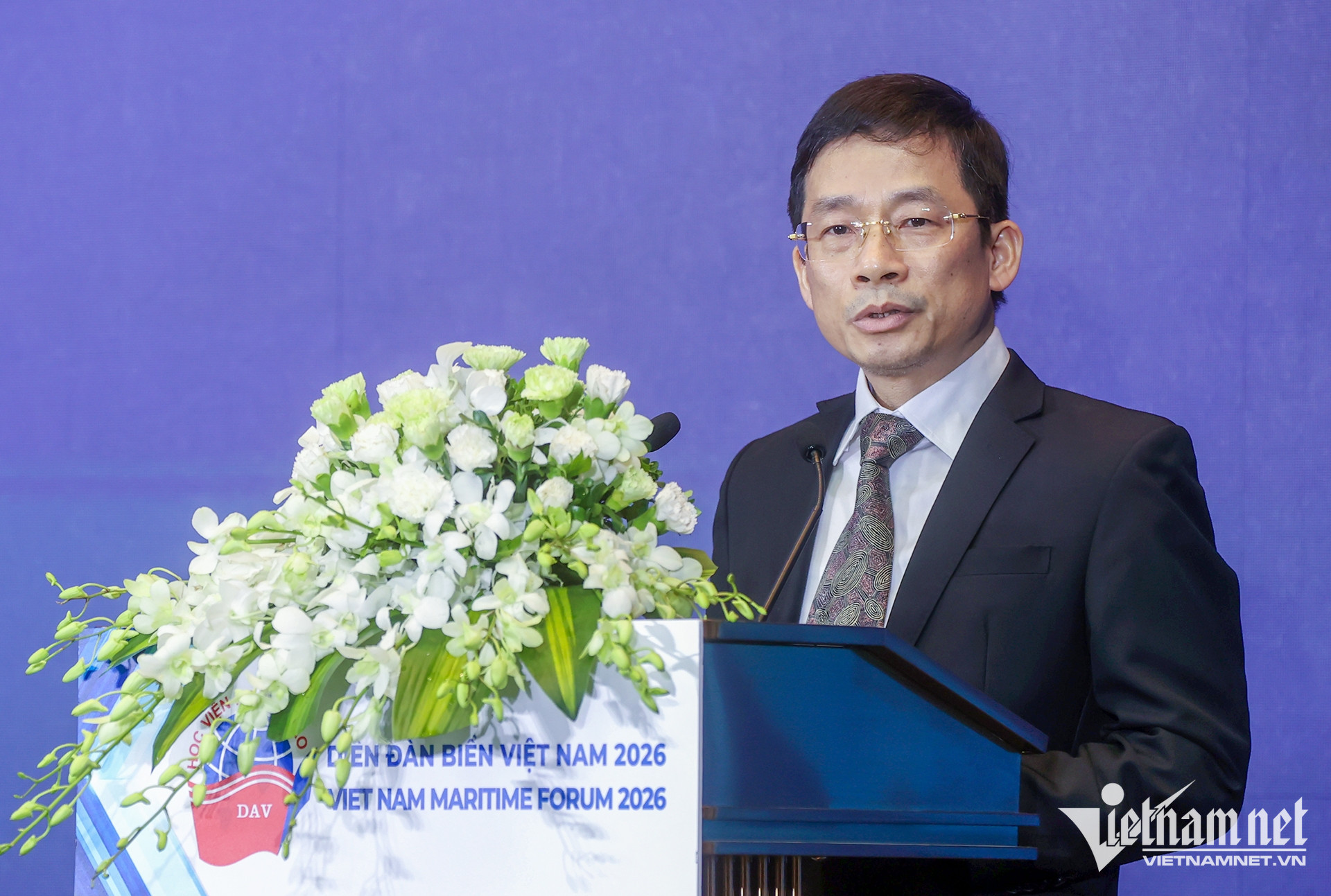
In his keynote remarks, Nguyen Duy Hung, deputy head of the Central Commission for Policies and Strategies, stressed that all development planning, strategies and programs must be closely linked to protecting sovereignty, sovereign rights and national jurisdiction, safeguarding national interests at sea and maintaining a peaceful and stable environment.
The goal is to build Vietnam into a strong maritime nation that derives prosperity and sustainable development from the sea, with modern marine governance, advanced marine science and technology, improved living standards for people in coastal and island areas, preserved and promoted maritime culture, and firmly protected national defense, security, sovereignty and interests at sea.
Hung said that to become a strong maritime nation, Vietnam must first build strong maritime capacity from within.
Vietnam, he said, must make a decisive shift away from growth that relies heavily on expanding investment toward development driven by productivity, knowledge, technology and people. At the same time, it needs to effectively mobilize and transform international resources into the country's own capabilities, with particular emphasis on strengthening its capacity for self-reliance.
International maritime cooperation must deliver concrete results in capital, technology, knowledge, human resources, infrastructure, governance, markets and environmental protection capacity, among other areas.
Vietnam faces enormous capital requirements to strengthen marine infrastructure, seaports, logistics, energy, coastal urban areas, environmental protection and climate change response, while domestic resources remain limited.
A strong maritime nation, Hung said, cannot be built on a system of fragmented management divided by sectors, fields and administrative boundaries.
Building a 'people-based defense posture' at sea
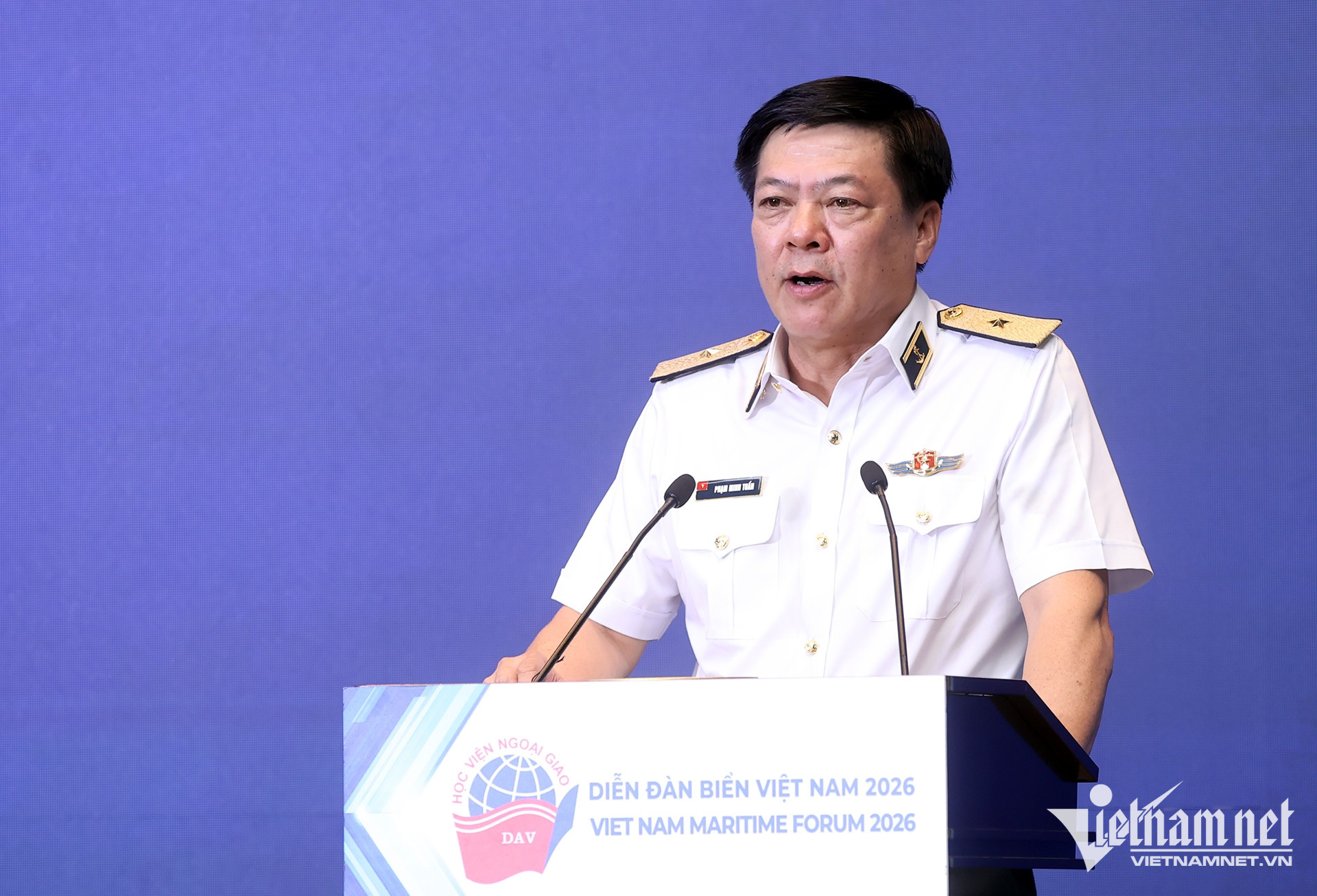
From a defense perspective, Rear Admiral Pham Minh Tuan, deputy commander of the Vietnam People's Navy under the Ministry of National Defense, said Vietnam needs to strengthen its capacity for maritime protection and governance.
This includes continuing to build an all-people national defense posture linked with the people's security posture and a "people-based defense posture" at sea.
Alongside the close integration of national defense, security, foreign affairs and marine economic development, he called for priority resources to be invested in developing coastal and island defense-economic zones.
All investment, exploitation and use of seas and islands should conform to overall planning, protect the country's long-term interests and avoid diminishing its defense capabilities, he said.
Pauline Tamesis, United Nations Resident Coordinator in Vietnam, said Resolution No. 20 aligns with priorities advanced through commitments made at the third United Nations Ocean Conference.
She said this alignment could be seen in at least four areas of action.
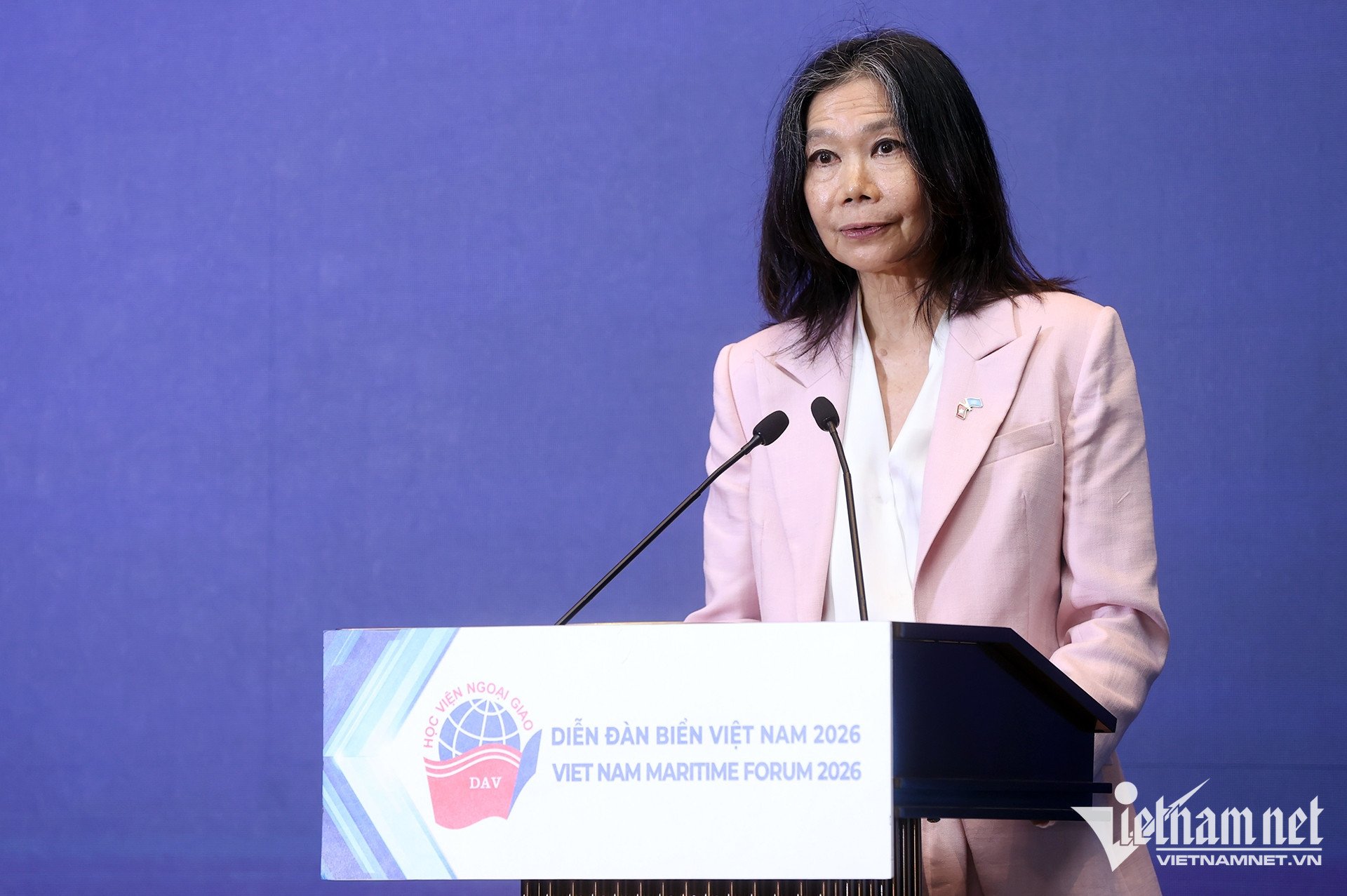
The first is expanding marine protected areas, with the goal of increasing marine and coastal conservation areas to at least 6% of the country's natural marine area by 2030.
The second is decarbonizing maritime transport, while the third is combating marine pollution.
The fourth concerns financing, including mobilizing diverse investment sources, green finance, risk-sharing, and support for fishers and communities living in coastal and island areas.
Tran Thuong
.svg)
