 Vietnamnet.vn

 Podcast



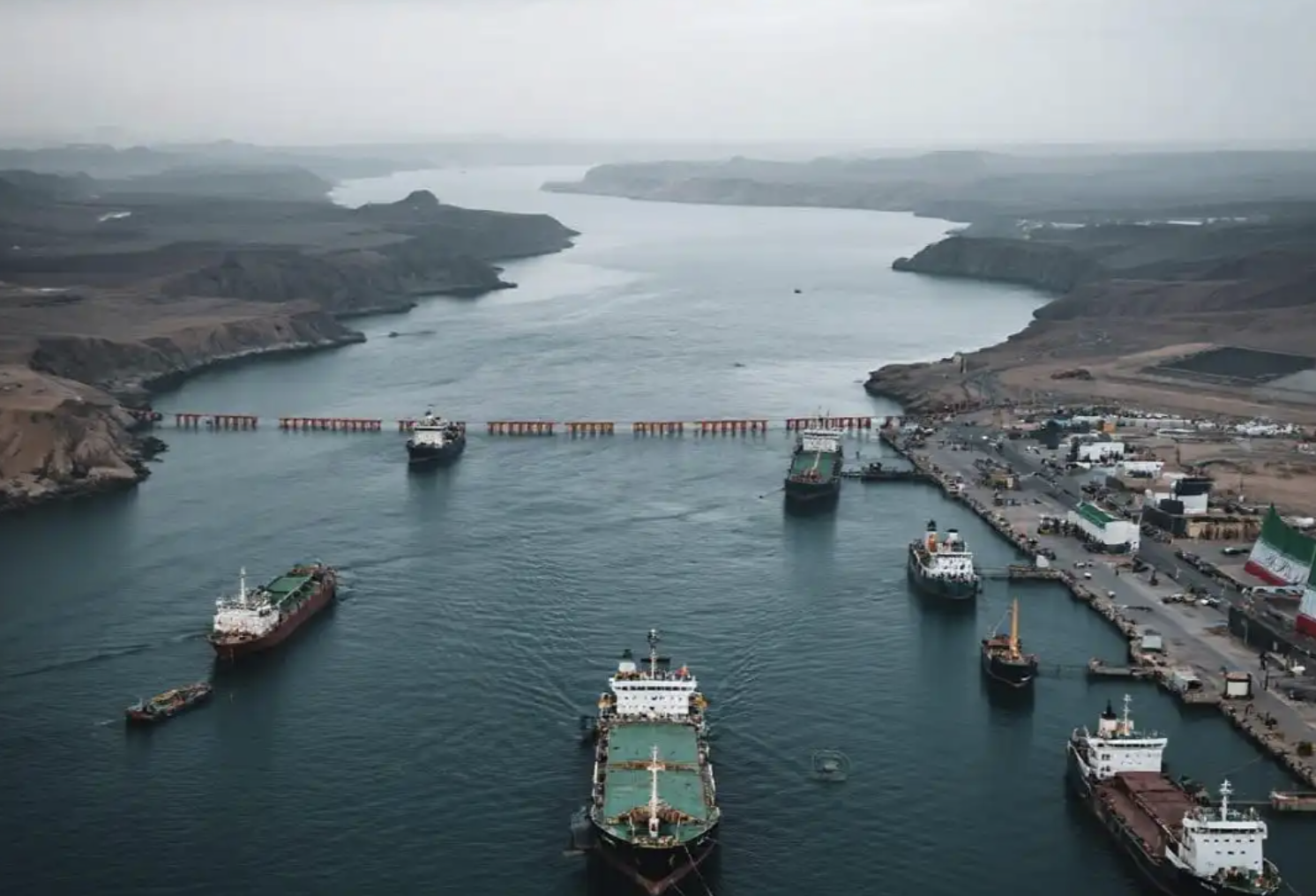
Vietnam’s seafood industry is facing a major test as maritime transport disruptions and rising insurance risks threaten supply chains linked to the Middle East.
Military tensions between Iran, the US and Israel in the Middle East have continued to escalate. Iran’s Islamic Revolutionary Guard Corps (IRGC) has declared the closure of the Strait of Hormuz and warned it would attack any vessels attempting to pass through the vital maritime route.
Earlier, Iran’s Secretary of the Supreme National Security Council, Ali Larijani, affirmed that Tehran would not negotiate with the US. The situation intensified following large-scale airstrikes and a series of retaliatory military actions across the region.
Maritime route through the Strait of Hormuz nearly paralyzed
“Within just a few days, military tensions have rapidly transformed into a major shock for maritime transport and marine insurance markets in the Middle East - a region that plays a critical role in global energy and goods circulation,” said Le Hang, Deputy Secretary General of the Vietnam Association of Seafood Exporters and Producers (VASEP).
According to Hang, the seafood industry faces significant impacts as transport costs surge, cold-chain disruptions become more likely, localized supply shortages emerge and product prices fluctuate across different market segments.
The core risk lies at the Strait of Hormuz, a strategic maritime corridor connecting the Persian Gulf with the Indian Ocean.
As security warnings intensify, many international shipping companies have adjusted operations. Vessels have been instructed to seek safe anchorage areas, some shipping routes through Hormuz have been temporarily suspended, and others have been diverted around the Cape of Good Hope instead of passing through the Red Sea - Bab el-Mandeb - Suez Canal corridor.
Major container shipping groups including Maersk, Hapag-Lloyd, CMA CGM and MSC Mediterranean Shipping Company have simultaneously announced temporary suspensions of cargo acceptance at certain Gulf ports. They have also introduced war risk surcharges and tightened regulations on accepting refrigerated containers.
Route diversions have extended transit times by between seven and fourteen days depending on the route. This reduces the effective capacity of global shipping fleets and creates shortages of container equipment, particularly refrigerated containers that have slower turnaround times and higher technical requirements.
Within just a few days, freight rates on the Asia - Dubai route nearly doubled. Emergency surcharges for shipments to and from Gulf countries have been announced at between US$1,500 and US$4,000 per container, with refrigerated containers facing even higher costs.
For seafood exporters, these expenses directly increase production costs and narrow profit margins, Hang said.
The maritime insurance market has also reacted sharply. Several major insurers including Gard, Skuld, NorthStandard, London P&I Club and American Club have issued notices cancelling war risk insurance coverage for waters around Iran, the Persian Gulf and nearby areas, effective from March 5.
Insurance premiums for vessels willing to travel through nearby waters have surged by around 50 percent.
As a result, even without an official blockade of the Strait of Hormuz, the combined impact of security risks, restricted insurance coverage and sharply rising insurance costs has effectively paralyzed many maritime routes.
“For the seafood industry, even shipments that do not directly pass through the conflict zone may still face increased costs if vessels within their transport chain call at ports located in areas considered war zones,” Hang said.
Risk of supply chain disruption
The Middle East has emerged as a promising market for Vietnamese seafood exports.
In 2025 alone, seafood export turnover to the region reached US$401 million. Pangasius accounted for US$175.9 million, up 18.6 percent year-on-year. Shrimp exports reached US$54.5 million, rising 19.9 percent, while other fish products increased by 28.6 percent compared with the previous year.
However, Hang noted that seafood products require strict temperature control and precise transport schedules.
When the transport of fresh seafood by air is disrupted, importers are forced to switch to frozen products. Yet this channel is also under pressure as bookings for refrigerated containers become restricted or temporarily suspended.
Dubai, home to Jebel Ali Port operated by DP World, is one of the region’s major seafood transshipment hubs.
As vessels are diverted and shipping times lengthen, port congestion risks increase, along with a shortage of electrical plug-in slots for refrigerated containers. Storage and container detention costs are rising, while product quality may be affected if storage times exceed safe limits.
According to Hang, if tensions ease in the short term and security conditions improve, shipping companies may gradually restore routes through the Strait of Hormuz, reopen bookings for refrigerated containers and reduce war risk surcharges.
Under that scenario, seafood supply chains could recover relatively quickly, particularly for frozen products.
However, if security risks persist, route diversions may become the new norm. Insurance costs could remain elevated, war risk surcharges may continue, and transport capacity for refrigerated containers to Gulf markets would remain limited.
In such circumstances, seafood import costs in the Middle East could stay high for several months, potentially triggering price fluctuations across related markets.
In an increasingly uncertain global environment, Hang emphasized that the ability to manage transport and insurance risks will become a decisive factor in maintaining global seafood trade flows, particularly when strategic chokepoints such as the Strait of Hormuz face heightened security risks.
Vietnamese seafood enterprises therefore need to diversify shipping routes, increase cold storage capacity in regional warehouses, prioritize long-term shipping contracts instead of relying entirely on spot markets, and closely monitor developments in maritime insurance and shipping company policies, she added.
Tam An
.svg)
