 Vietnamnet.vn

 Podcast



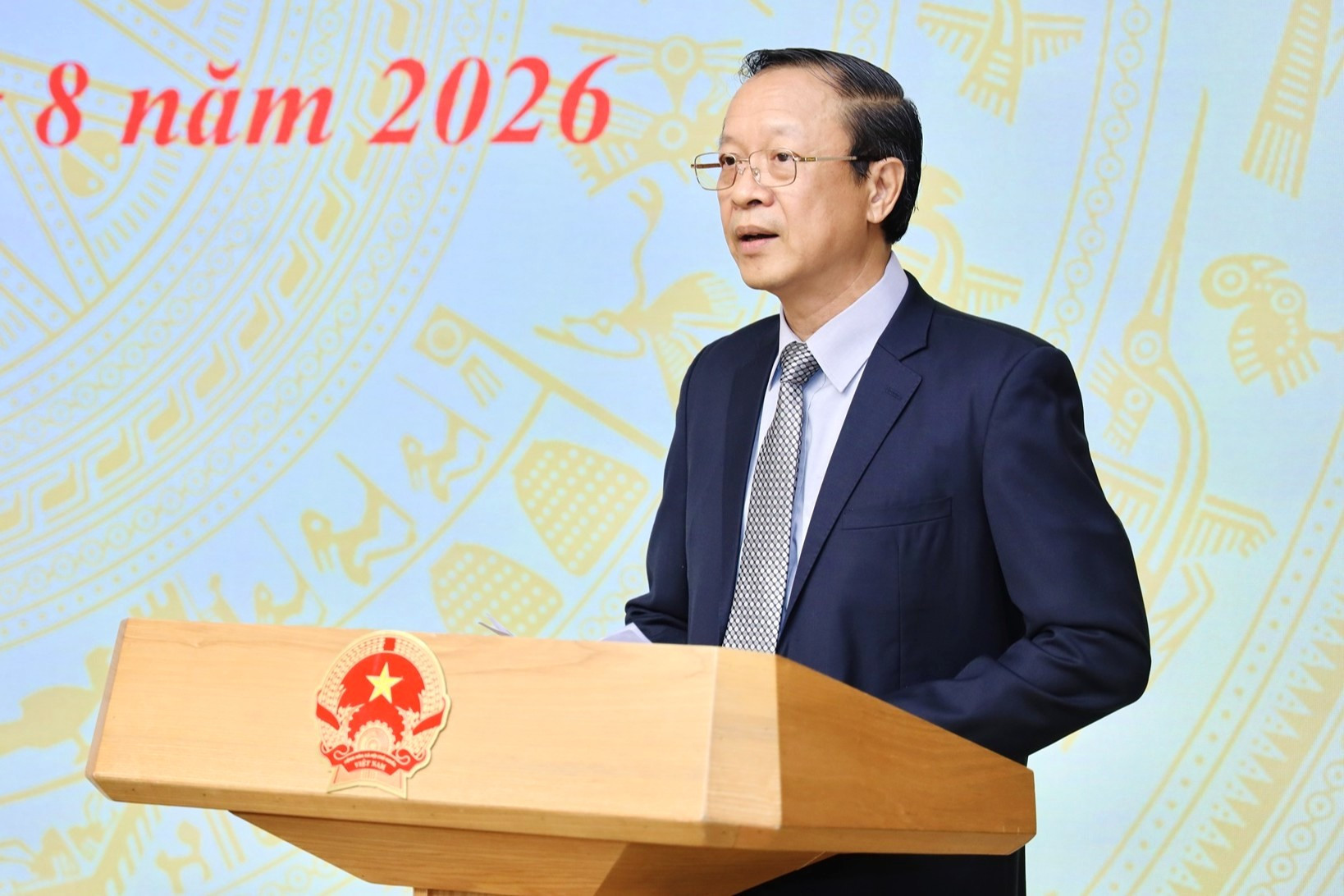
Despite the progress made, the education sector acknowledged that several shortcomings and bottlenecks still need to be addressed.
Local imbalances between teacher surpluses and shortages have yet to be fully resolved. Following the restructuring, the ministry forecasts that schools will still need about 43,267 additional teaching positions in the 2026-2027 academic year. Meanwhile, 44,770 previously allocated positions remain unfilled, while around 48,374 teachers are currently working under contracts.
School infrastructure has also failed to keep pace with the number of students. Nationwide, Vietnam is still short of around 45,691 classrooms and 27,084 specialized rooms. In disadvantaged areas, schools are using 6,477 borrowed or temporary classrooms, while the average provision of minimum required teaching equipment stands at just 50.6%.
A ministry representative said addressing bottlenecks in staffing and infrastructure would be among the key priorities for the 2026-2027 academic year.
Specifically, priority will be given to budget and public investment for teachers, classrooms, equipment, boarding schools in border areas, digital infrastructure, laboratories and the training of personnel in strategic fields. Authorities will also expand teacher transfers, contract-based employment and visiting-teacher arrangements, while introducing policies to attract educators to subjects, professions and areas where recruitment is difficult.
The ministry has also identified improving the quality of preschool and general education, strengthening discipline and ensuring school safety as major priorities.
“Accordingly, we will continue to streamline educational content, improve the quality of regular classroom instruction, and expand practical learning, experiential activities, STEM, digital skills, artificial intelligence, foreign languages, arts and physical education, while gradually making English a second language in schools,” Thuong said.
“We will reduce unnecessary paperwork and meetings; reform testing and assessment; tighten discipline in examinations, admissions, private tutoring and school revenues and expenditures; strengthen psychological counseling, school healthcare and food safety; prevent violence and abuse; and protect children online. We will also refine the high school graduation examination and university and college admissions models to make them streamlined and substantive while preventing fraud and misconduct,” he added.
“In the 2026-2027 academic year, the task is to rapidly turn policy directions into action, policies into results and resources into genuine improvements in educational quality,” Thuong stressed.
Thanh Hung
.svg)
