 Vietnamnet.vn

 Podcast



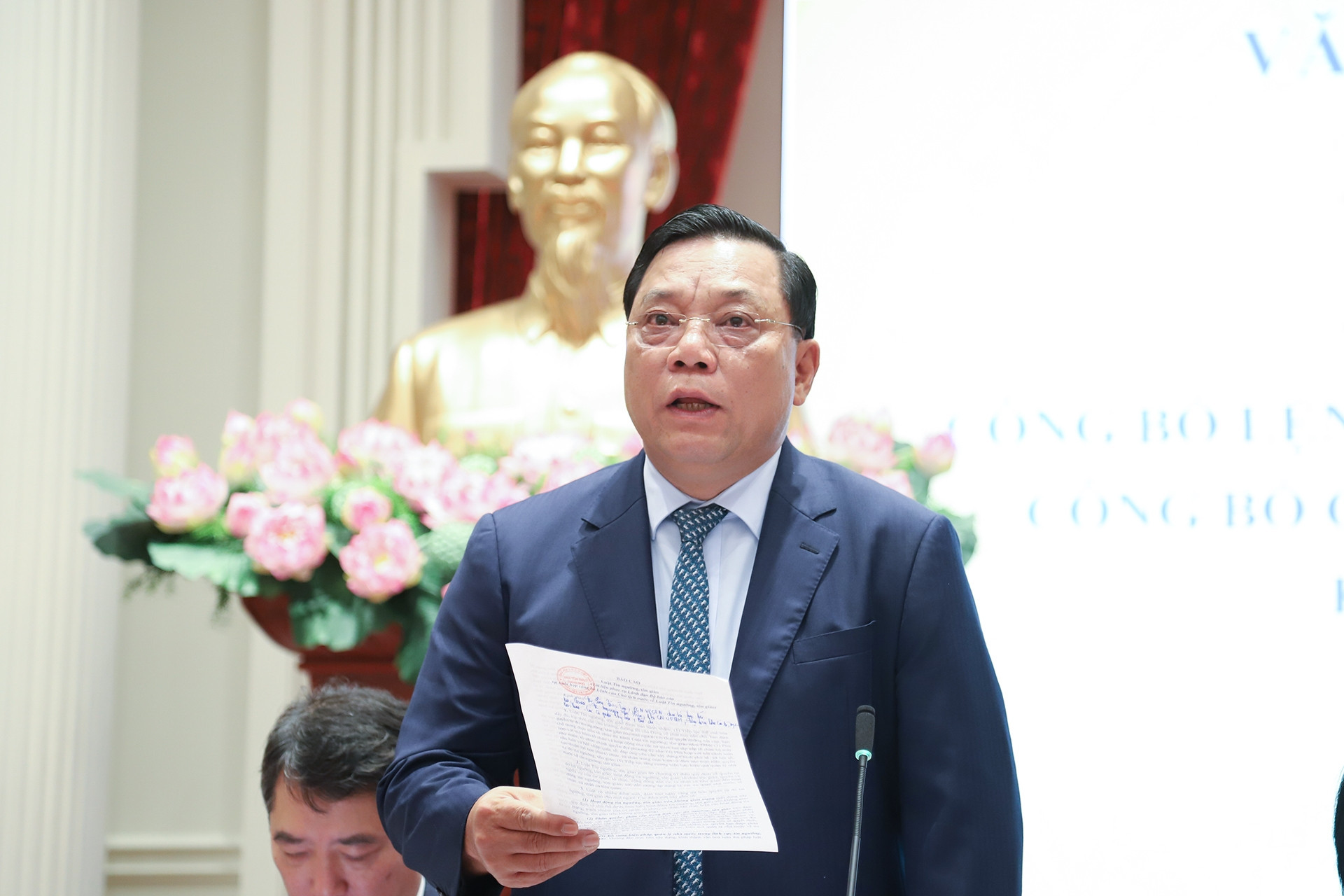
According to the deputy minister, the revised law consists of nine chapters and 61 articles regulating freedom of belief and religion, religious activities, religious organizations, and the rights and obligations of agencies, organizations, communities, and individuals involved in religious affairs.
The law applies to state agencies as well as organizations and individuals connected to belief and religious activities.
Nguyen Hai Trung said the revised law contains numerous new provisions designed to better ensure freedom of belief and religion.
One notable addition is the formal regulation of religious and belief-related activities conducted in cyberspace, including the responsibilities of organizations and individuals operating religious activities online.
Greater decentralization and local authority
The law also expands decentralization in the management of religious affairs in line with Vietnam’s new two-tier local government structure.
More authority will be delegated to provincial- and commune-level People’s Committees in managing state affairs related to religion and belief.
According to the deputy minister, the changes are intended to strengthen the initiative and autonomy of local authorities in decision-making, implementation, and accountability while improving the effectiveness of state management in the field.
The revised law also introduces additional state management measures aimed at building a stronger culture of legal compliance and upholding respect for the Constitution and the law among organizations and individuals involved in religious activities.
The legislation emphasizes prevention and early warning mechanisms alongside stronger inspection, detection, and timely handling of violations.
Some of the newly added measures carry warning and deterrent functions intended to prevent legal violations in the field of religion and belief.
These include revoking approvals for concentrated religious gatherings by Vietnamese citizens or legally residing foreigners, withdrawing certificates for religious activity registration, and suspending religious officials from their positions when violations occur.
Administrative reform and digital transformation
A particularly notable aspect of the revised law is its focus on simplifying administrative procedures and promoting digital transformation in religious management.
Deputy Minister Nguyen Hai Trung said the reforms align with Vietnam’s broader state restructuring and governance modernization efforts, which place citizens and businesses at the center of public administration.
The law retains administrative procedures from the 2016 legislation that remain appropriate while avoiding the creation of new administrative burdens.
Several procedures have been simplified to make implementation easier for organizations and individuals.
The revisions include shifting requirements from “requesting approval” to simple registration, and from registration to notification in certain cases.
The law also moves from pre-approval mechanisms toward post-inspection oversight.
In addition, some documentation requirements have been removed, including criminal record certificates for Vietnamese citizens.
Regulations concerning dossier components and administrative deadlines have also been removed from the law itself and delegated to the government for detailed regulation.
The revised law additionally updates provisions related to international cooperation in religious affairs, principles governing belief and religious activities, religious practices outside designated facilities, and conditions for representatives of religious establishments and concentrated religious groups.
Ten areas of authority previously managed by the Ministry of Ethnic and Religious Affairs will now be transferred to provincial-level People’s Committees.
Law to take effect in 2027
Deputy Minister Nguyen Hai Trung said the revised law addresses many of the shortcomings found in the 2016 legislation.
He added that the new framework will create more favorable conditions for religious organizations and individuals while also serving as a clearer legal basis for state agencies overseeing religious activities.
The reforms are expected to strengthen the effectiveness and efficiency of state management in the field of religion and belief.
Nguyen Hai Trung also noted that the Ministry of Ethnic and Religious Affairs is currently drafting implementation decrees to ensure they take effect simultaneously with the law on January 1, 2027.
Tran Thuong
.svg)
