 Vietnamnet.vn

 Podcast



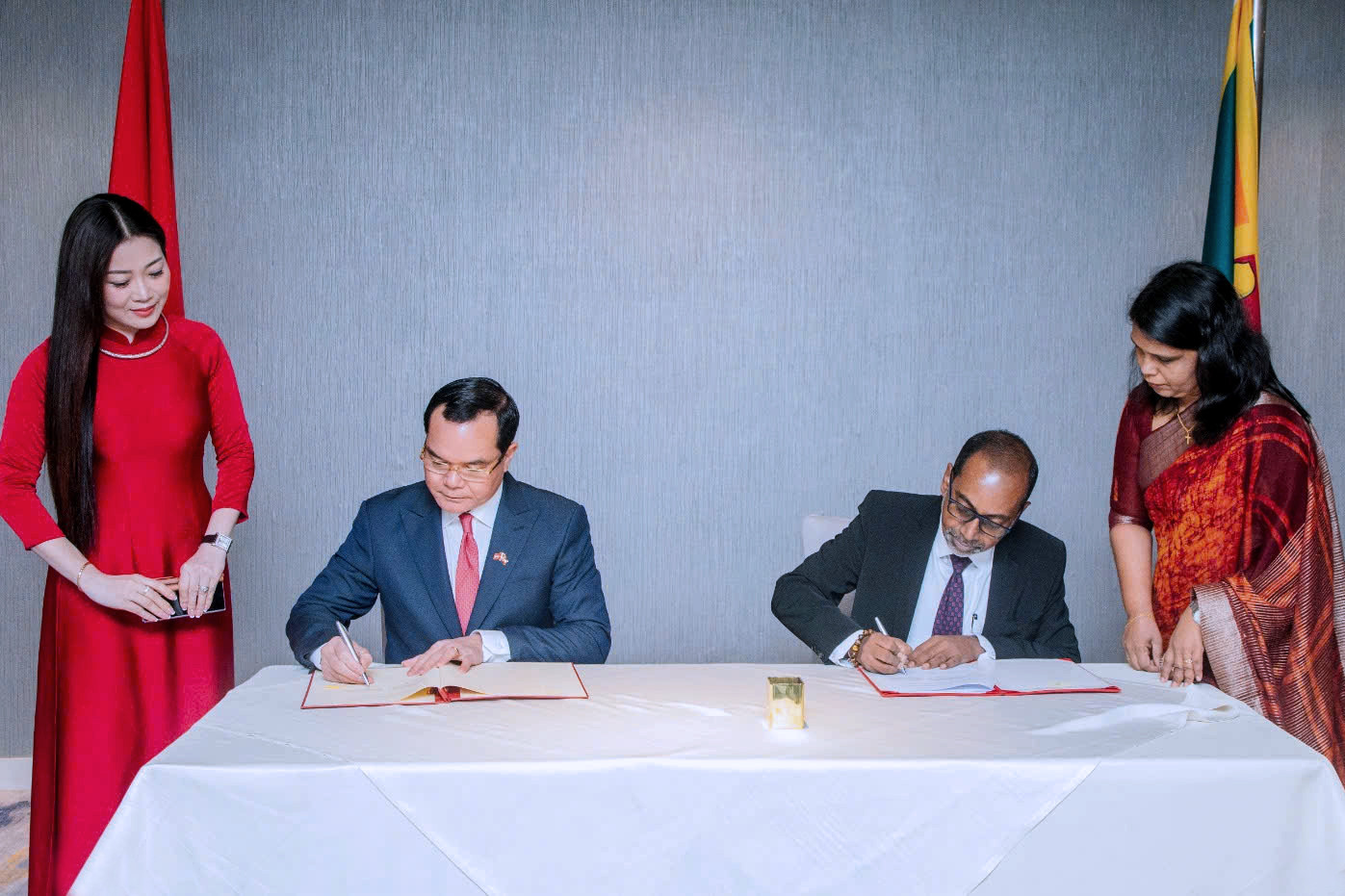
Accompanying To Lam on the trip, Minister of Ethnic and Religious Affairs Nguyen Dinh Khang signed a memorandum of understanding on religious cooperation with Sri Lankan Minister of Buddhism, Religious and Cultural Affairs Hiniduma Sunil Senevi on May 8.
The meetings took place during To Lam’s state visits to India and Sri Lanka, as the two countries continue expanding their long-standing friendship and cooperation.
Following the celebration of the 55th anniversary of diplomatic relations in 2025, both sides see growing opportunities to deepen collaboration in Buddhism, religion, culture, heritage conservation, people-to-people exchange and community development.
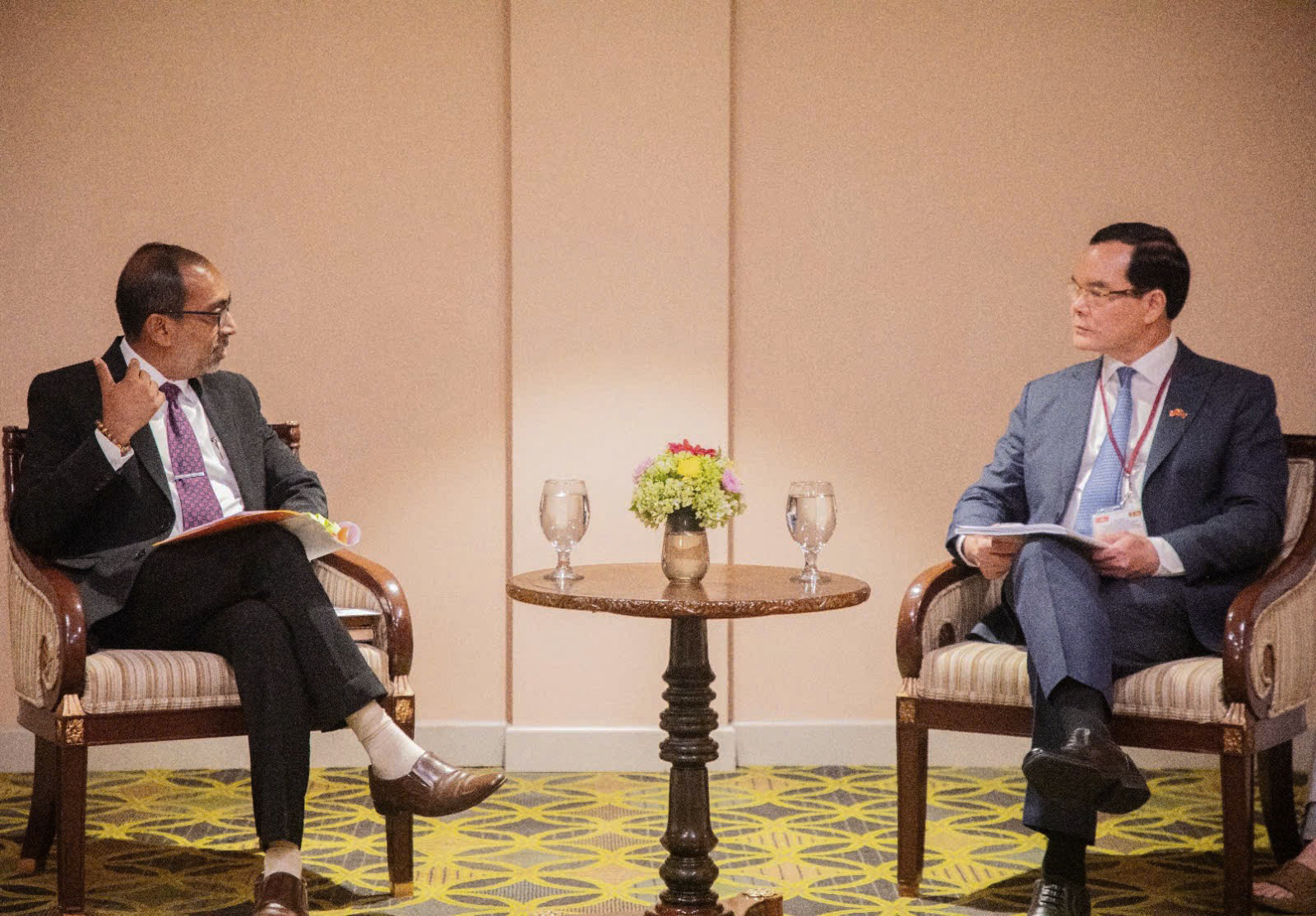
Speaking during bilateral talks later the same day, Minister Khang said Vietnam highly values its traditional friendship with Sri Lanka.
He noted that Vietnamese people hold deep affection for Sri Lanka, a country known for its long Buddhist tradition, rich cultural heritage and resilience in national development.
According to the minister, Buddhism has served as an important bridge between the two nations, helping spread values of peace, compassion, tolerance, wisdom and goodwill throughout society.
Vietnam emphasizes religious freedom protections
Introducing the functions of Vietnam’s Ministry of Ethnic and Religious Affairs, Nguyen Dinh Khang said the ministry oversees state management in ethnic, belief and religious affairs.
He stressed that Vietnam has a diverse religious and belief landscape and that the Vietnamese state consistently respects and guarantees freedom of belief and religion in accordance with the constitution and national laws.
Vietnam also encourages religious organizations to promote positive ethical and cultural values while participating in social welfare, humanitarian work, education, healthcare, environmental protection and community development initiatives.
Nguyen Dinh Khang praised Sri Lanka’s Ministry of Buddhism, Religious and Cultural Affairs for its role in policymaking related to Buddhism, religion, culture, arts and heritage preservation.
According to him, Sri Lanka’s integrated approach linking religion, culture, heritage and sustainable development closely aligns with Vietnam’s own efforts to promote cultural and religious values as part of national development and international integration.
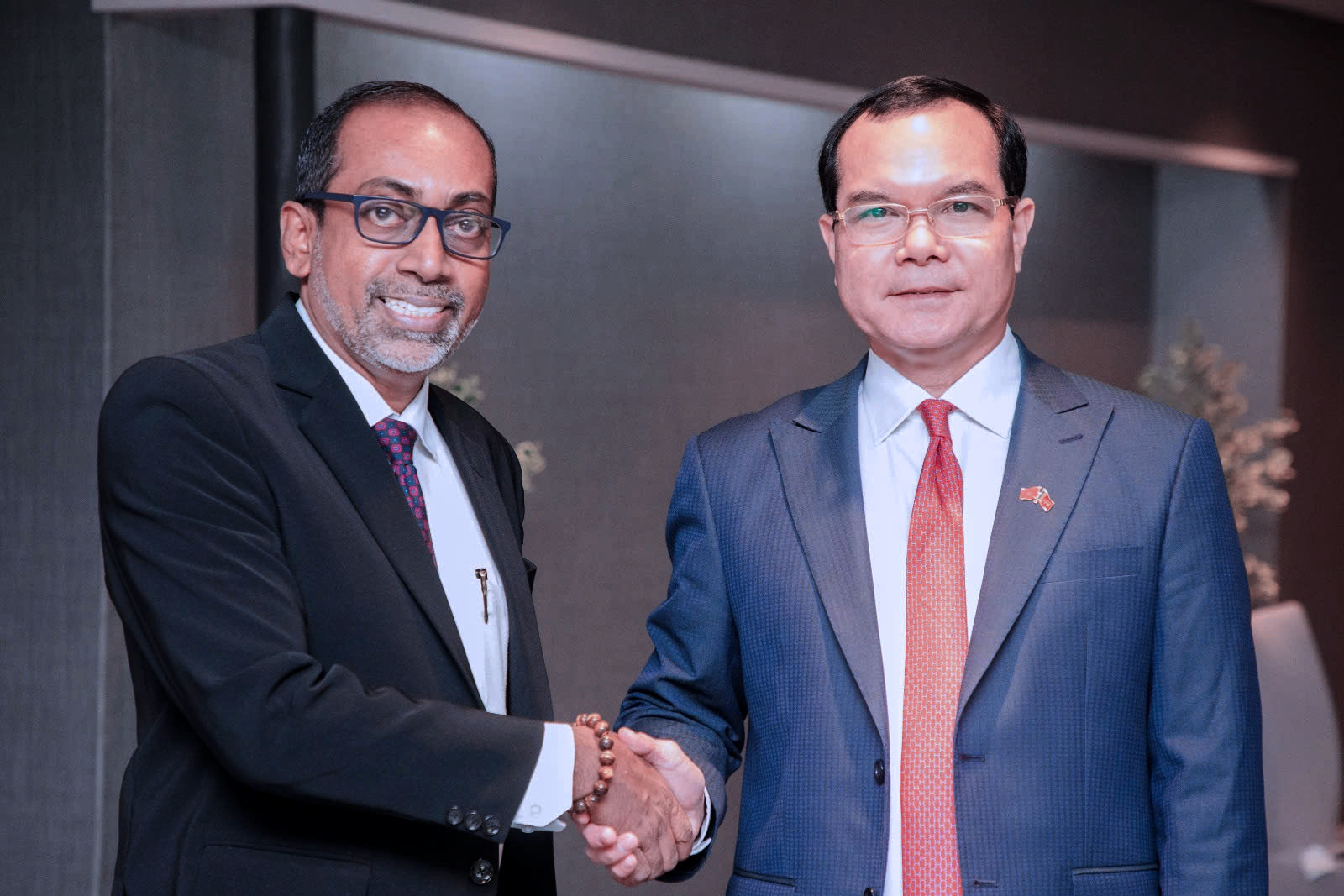
The Vietnamese minister said the newly signed memorandum reflects the traditional friendship and cooperation potential between the two countries and is consistent with broader intergovernmental cooperation frameworks.
The agreement aims to expand practical collaboration in religious affairs based on equality, mutual respect and compliance with each country’s laws.
Under the memorandum, Vietnam’s Ministry of Ethnic and Religious Affairs and Sri Lanka’s Ministry of Buddhism, Religious and Cultural Affairs will strengthen information exchange and share experiences in religious state management.
The two sides also plan to organize conferences and seminars to improve religious affairs management while contributing to social stability, sustainable development, peace, friendship, sovereignty and prosperity in both countries.
Focus on practical cooperation activities
Khang particularly welcomed the memorandum’s emphasis on practical cooperation areas tailored to the needs of both ministries.
Following the signing ceremony, he proposed several priority areas for implementation.
These include organizing exchanges between central-level state management agencies responsible for religious affairs in both countries to share information, evaluate cooperation progress and review implementation of the memorandum.
Both sides also agreed to maintain annual meetings on a rotational basis to exchange updates, assess achievements and coordinate future plans.
The minister further proposed organizing conferences, academic discussions and information exchanges on religious theory and management, alongside sharing materials related to religious affairs in accordance with each country’s legal framework.
Based on practical demand, both countries will annually coordinate short-term and long-term training goals for approval by relevant authorities.
Minister Khang also emphasized support for stronger ties between Buddhist organizations in both countries through delegation exchanges and academic cooperation.
This includes facilitating exchanges of monks, nuns, Buddhist followers, students and researchers for religious practice, study and research activities.
The agreement also encourages support for delegations participating in international religious events and broader people-to-people exchange activities.
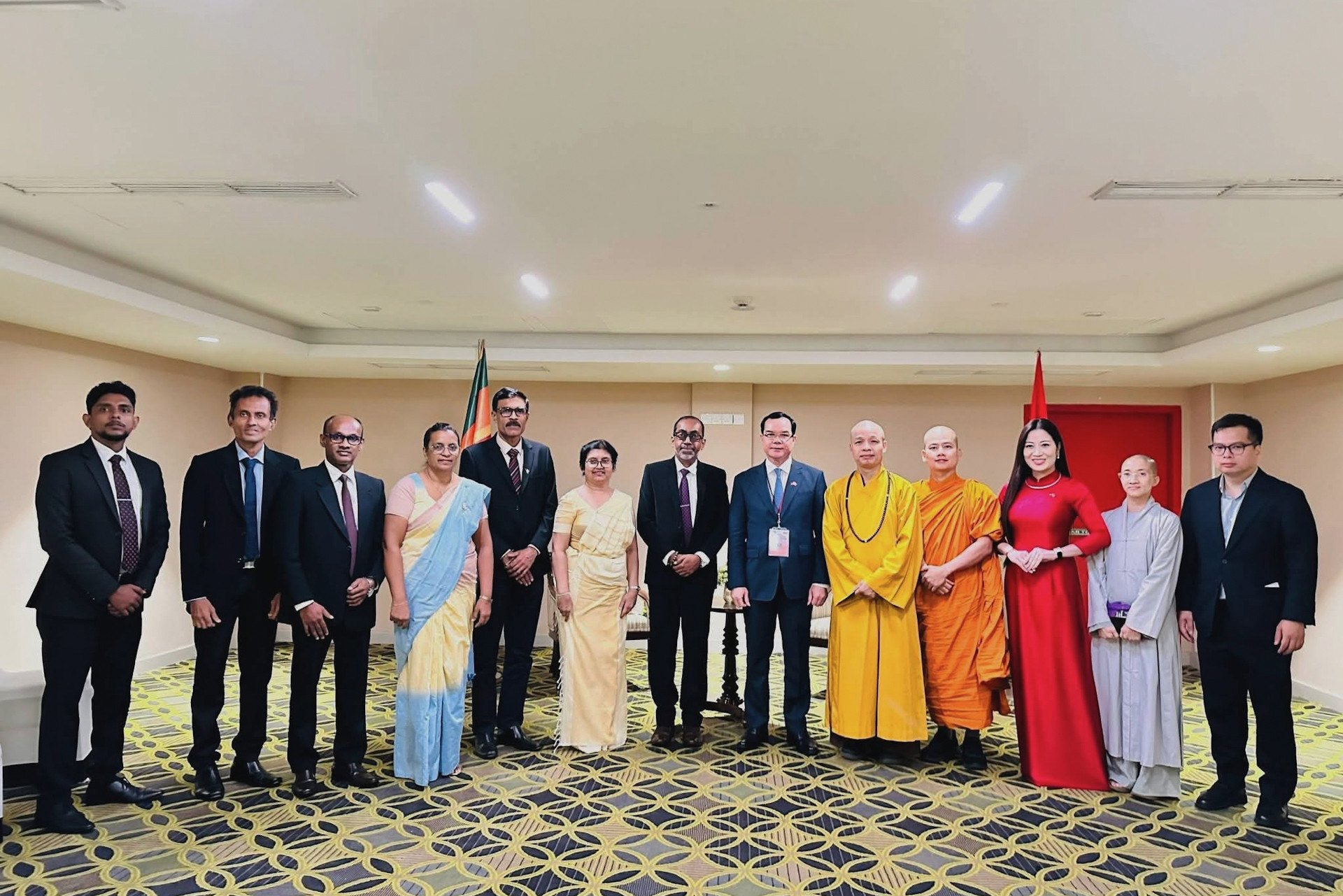
The Vietnamese minister expressed confidence that, with Sri Lanka’s deep Buddhist and cultural traditions and the goodwill shared by both ministries, the memorandum would soon be implemented through meaningful and far-reaching cooperation programs.
On the occasion, Nguyen Dinh Khang invited Minister Hiniduma Sunil Senevi and officials from Sri Lanka’s Ministry of Buddhism, Religious and Cultural Affairs to visit Vietnam at an appropriate time to continue discussions on cooperation in religion, culture, heritage and people-to-people exchange.
Thai An - Dinh Tuan
.svg)
