 Vietnamnet.vn

 Podcast



Delivering a report on behalf of the Prime Minister, Government Inspector General Doan Hong Phong briefed lawmakers on the national anti-corruption efforts in 2025.
Through inspections and investigations, authorities uncovered numerous violations, recommending administrative action against 1,872 organizations and 6,544 individuals. A total of 236 cases involving 140 suspects were transferred to the police for further investigation.
In handling complaints and denunciations, officials recommended disciplinary action against 376 individuals and forwarded 12 cases involving 14 suspects to law enforcement.
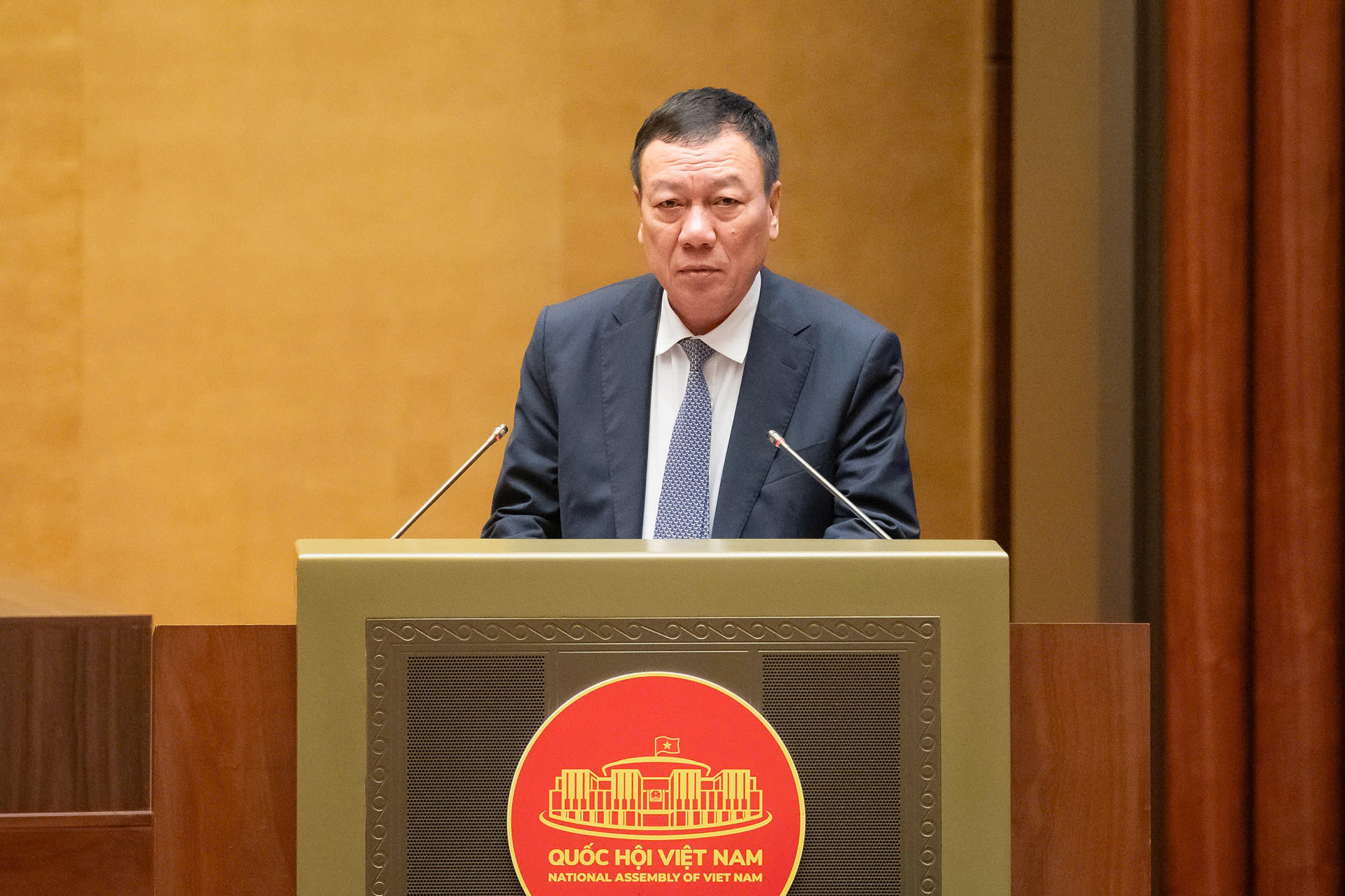
According to Mr. Phong, the State Audit of Vietnam recommended financial corrections totaling 34.6 trillion VND (approximately 1.4 billion USD), and over 125 million USD, along with the cancellation or amendment of 180 legal documents.
Investigations into corruption cases across the police force involved 1,363 cases with 3,187 defendants. Of these, 813 cases with 2,044 individuals were referred for prosecution.
Meanwhile, the Ministry of National Defense initiated 14 criminal cases involving 19 defendants, and recommended prosecution in 8 cases involving 37 people.
The People’s Procuracy handled 1,077 cases involving 3,060 individuals, successfully resolving 1,041 cases involving 2,931 defendants.
Courts nationwide concluded 1,188 cases with 3,061 defendants, with 975 cases and 2,386 individuals having undergone trial.
Phong also reported that in civil enforcement regarding economic and corruption-related cases, 10,393 judgments required enforcement. Of these, 7,888 were deemed enforceable, and 6,471 were successfully carried out.
He affirmed that in 2025, Vietnam’s anti-corruption, anti-waste, and anti-misconduct campaigns have gained momentum, with noticeable improvements both at the central and local levels. The efforts have been widely recognized and supported by the public.
For 2026, authorities aim to conclude ongoing high-profile corruption cases, increase power oversight, and tackle misconduct within two-tiered local governments.
Inspections will focus on early detection and handling of violations. Agencies will also work to resolve the issue of unused public buildings and suspended infrastructure projects following administrative boundary restructuring.
High-ranking officials also disciplined
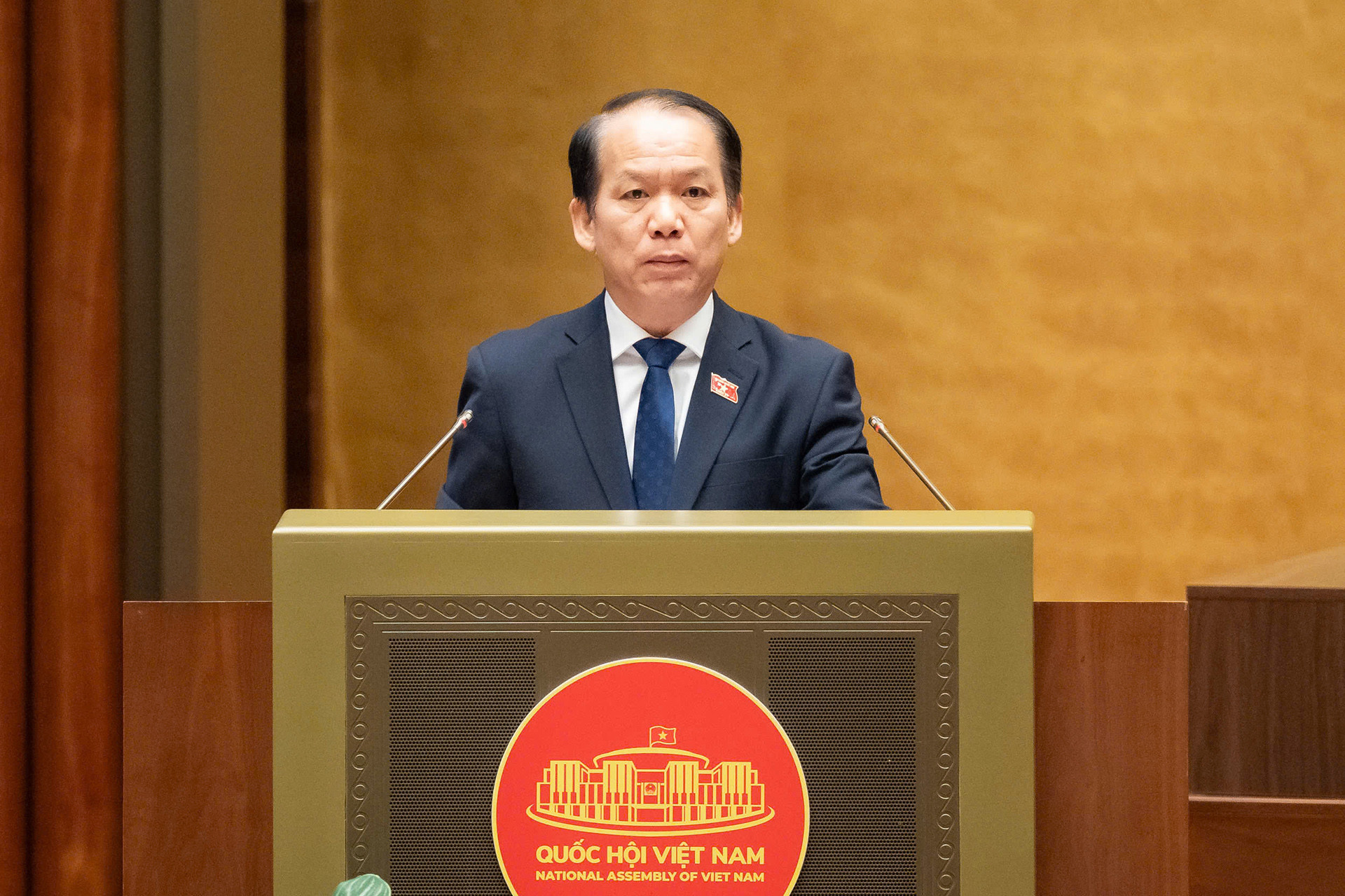
Chairman of the Legal and Judicial Committee, Hoang Thanh Tung, presented the committee’s review, highlighting that in 2025, authorities disciplined many officials and civil servants - including those under the direct management of the Politburo and the Party Central Secretariat, both at central and local levels.
However, the committee noted that the effectiveness of public education on anti-corruption remains low. Many officials and party members continue to display signs of moral and political decline, engaging in corrupt or wasteful practices.
Violations of transparency, budget standards, and public resource use remain prevalent, with little improvement.
Discipline and professional conduct among some civil servants and agencies have not been strictly enforced. Petty corruption and administrative harassment of citizens and businesses persist, as do cases of officials evading responsibility.
Furthermore, some public officials and agencies still fail to proactively explain or respond to public and media concerns regarding corruption or mismanagement.
Asset and income declarations by individuals in positions of authority remain poorly monitored, with many violations in the process and content of declared forms.
The committee urged the government to ramp up inspections in key sectors, especially land management, construction, public procurement, resource exploitation, counterfeit goods, pharmaceuticals, and labor and healthcare services.
The government was also advised to review and repurpose surplus public office space following recent administrative mergers, as part of broader anti-waste and anti-corruption efforts.
Lastly, the committee called for enhanced capacity in detecting and prosecuting corruption cases, accelerating asset recovery, and continuing to encourage fugitives to turn themselves in, while tracking down those who have fled abroad.
They also urged improvements in asset valuation and forensic assessments, especially in complex corruption investigations.
Tran Thuong
.svg)
