 Vietnamnet.vn

 Podcast



Deputy Prime Minister Ho Quoc Dung has signed a decision approving the Prime Minister’s program on developing population data applications, electronic identification and authentication to support digital transformation for the 2026-2030 period, with a vision toward 2035, known as Project 06.
The program sets out specific goals for each phase.
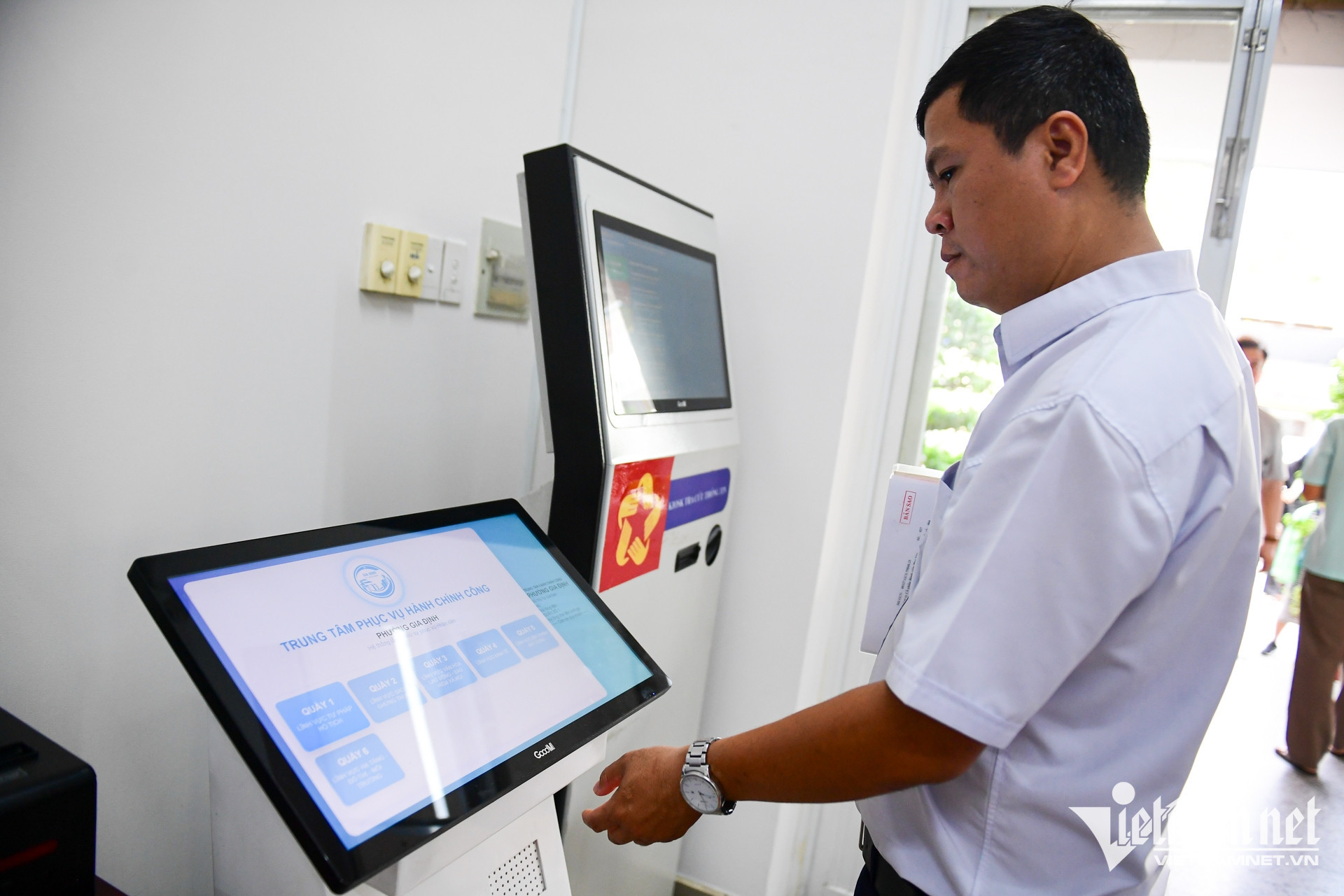
During the 2026-2030 period, the program will focus on handling administrative procedures and online public services, promoting the digital economy and digital society, developing digital citizenship, expanding infrastructure and improving the ecosystem for creating, connecting, exploiting and enriching data, while also ensuring social welfare and supporting crime prevention, national security and public order.
By 2035, Vietnam aims to become a sustainably developed and comprehensive digital nation, where all transactions between citizens and government agencies are conducted in the digital environment.
National databases, with population data serving as the core foundation, will be interconnected, shared and effectively utilized to support the development of a smart government capable of making decisions based on real-time data.
Citizens are expected to benefit from personalized, automated and convenient digital services tailored to each life event.
Data and digital technologies will be widely applied across sectors including healthcare, education, transportation, agriculture, justice and security.
AI to support administrative procedures
To achieve these goals, Project 06 outlines a range of tasks and solutions.
The government said unified technical guidelines and architecture standards must be issued for administrative procedure information systems, including the integration of a single sign-on account enabling seamless access across platforms and software systems.
Regarding administrative procedures and online public services, the program will focus on restructuring processes, reducing paperwork requirements and simplifying procedures through data integration.
Specifically, the Ministry of Public Security will coordinate with the Government Office, ministries and local authorities to integrate electronic identification accounts, especially organizational and foreign citizen identity accounts, into public services and administrative procedures.
In September 2026, the Ministry of Public Security, in coordination with the Government Office and the Ministry of Science and Technology, is scheduled to deploy artificial intelligence and virtual assistants to support public services and administrative procedures.
Local authorities will work with the Ministry of Public Security, the Ministry of Justice, the Ministry of Science and Technology and the Ministry of Health to study and propose solutions for “Digital Citizen Stations” at public locations, government offices and service centers.
The initiative is expected to begin implementation in January 2027.
Regarding socio-economic development, Project 06 will promote the use of electronic identification accounts in transactions and procedures, while issuing lists of products, services and application models utilizing population data, identity cards and electronic identification.
Priority sectors include finance, banking, agriculture, environment, healthcare, education, tourism, logistics and e-commerce.
The program also envisions research into smart city solutions such as “Digital Twins” and “Digital Location Models” linked with location databases, population data and digital identity systems.
Expanding VNeID into a national digital platform
To support the development of digital citizens, Project 06 will implement solutions enabling citizens to exercise their rights and obligations online.
These include gathering public opinions on draft laws, ordinances and legal documents published online, as well as allowing citizens to manage, monitor and supervise the use and sharing of their personal data.
The government also plans to develop the VNeID application into a national multi-utility digital platform serving digital transformation and digital citizenship development.
Under the program, VNeID will store citizens’ digital data, provide electronic authentication and identity verification, support online public services and administrative procedures, and integrate payment accounts, e-wallets, bank cards and mobile money services.
The platform will also facilitate social welfare payments and serve as an official, secure and efficient communication channel between citizens and the state, citizens and businesses, and citizens with one another.
Tran Thuong
.svg)
