 Vietnamnet.vn

 Podcast


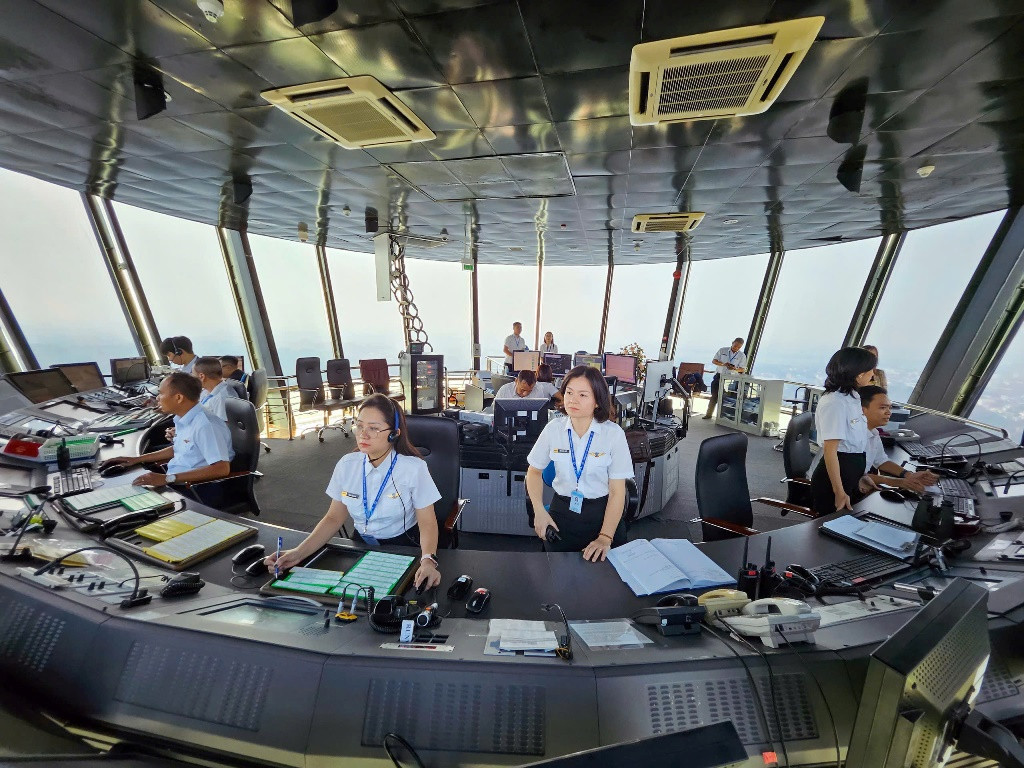
Following a communications failure that prompted the US Federal Aviation Administration (FAA) to halt thousands of flight departures on November 13, Vietnam Air Traffic Management Corporation (VATM) has issued a directive strengthening measures to prevent and respond to technical infrastructure failures affecting air navigation services.
The directive places flight safety above all other priorities, calling for early risk prevention and proactive preparations to avoid being caught off guard by unexpected incidents.
Ho Sy Tung, Deputy General Director of VATM, said air traffic management operates around the clock and relies heavily on technical infrastructure and equipment. A failure in a critical system could compromise service delivery without adequate backup arrangements.
"All units must proactively manage risks, assess their ability to maintain services and prepare response plans in advance rather than wait until an incident occurs," Tung said.
Comprehensive review of air traffic control infrastructure
VATM has instructed its units to inspect all infrastructure and equipment supporting air traffic operations, assess the performance of primary systems and verify the readiness of backup equipment.
For ageing systems or those awaiting upgrades or replacement, units must introduce appropriate safety measures to ensure that pending investment projects do not compromise operational continuity.
Backup arrangements must undergo practical testing to confirm that services can be transferred and maintained in the event of a failure. Measures to protect data, control system changes and restore operations must also be strengthened.
VATM has also called for clearly defined command structures, response teams and coordination responsibilities between technical and operational departments.
Heads of individual units will be responsible for organising emergency responses, mobilising personnel and reporting incidents to higher authorities when problems exceed their capacity to resolve them.
Air traffic service providers must coordinate with airports, airlines and air traffic flow management units to agree on procedures for regulating traffic and restoring flight operations.
If services are degraded or interrupted, flight traffic must be adjusted to match the available capacity of technical systems and personnel.
VATM has further instructed units to maintain adequate staffing for operational shifts, arrange replacement personnel and ensure the availability of emergency equipment, materials and other necessary resources.
Personnel must receive training and participate in emergency drills covering system failures, transitions to backup arrangements and service restoration.
Bringing systems back into operation after an incident will be subject to strict controls and permitted only when all technical and operational safety requirements have been met.
VATM sets 60-day deadline for emergency readiness checks
The directive establishes specific deadlines for implementing the measures.
Units must complete initial checks within 72 hours, develop action plans within seven days and finish reviewing and assessing critical services within 30 days.
Within 60 days of the directive's issuance, they must verify their backup capabilities and submit reports on the results.
According to VATM's leadership, the inspections and practical verification of contingency capabilities are intended to ensure that Vietnam's air traffic management systems continue operating safely and reliably while minimising the risk of service disruptions caused by technical failures.
Vu Diep

