 Vietnamnet.vn

 Podcast



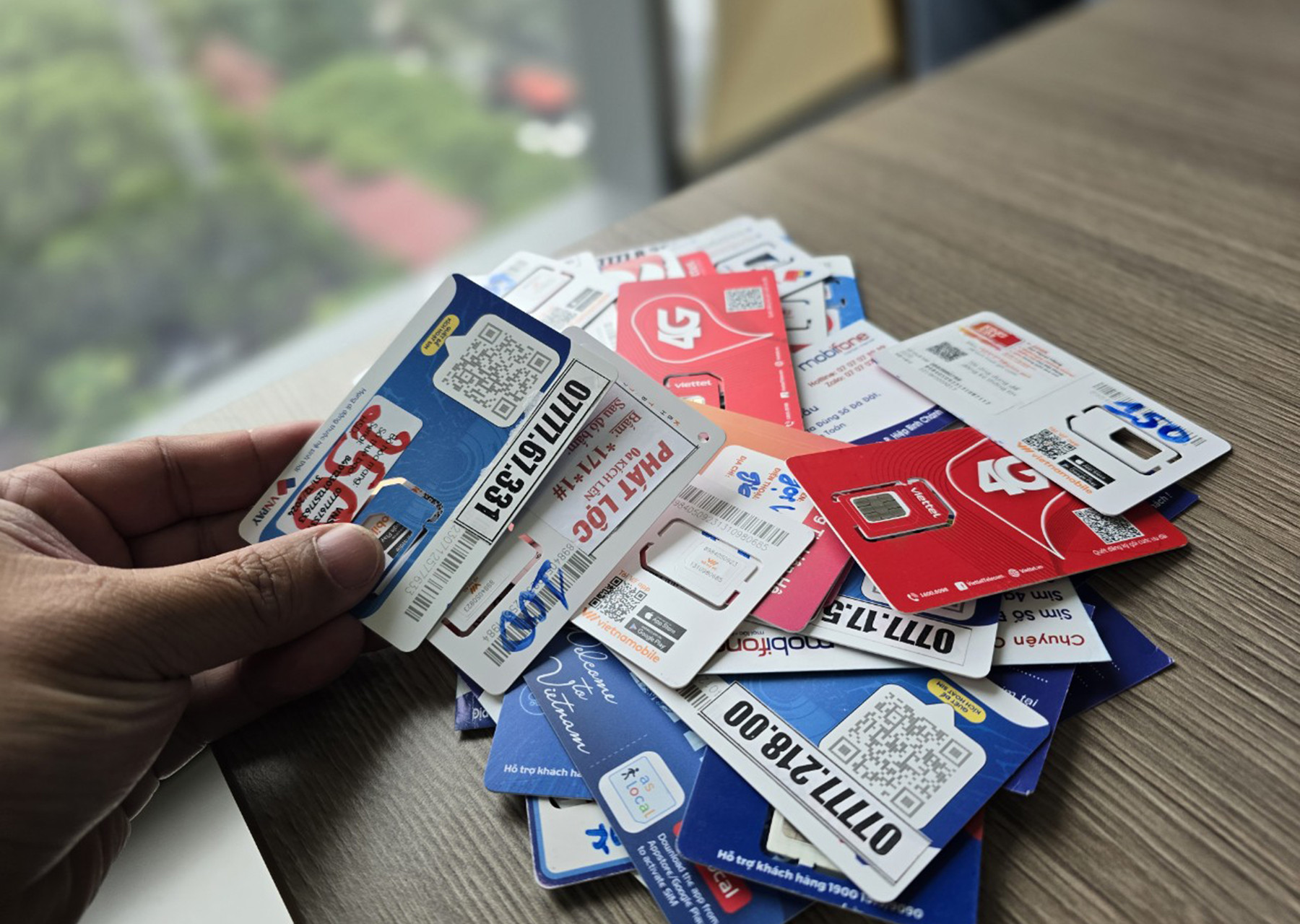
According to the Ministry of Science and Technology (MOST), a draft circular guiding the authentication of subscriber information for terrestrial mobile telecommunications numbers is currently under public consultation. The circular is expected to take effect on March 1, 2026.
The regulation aims to ensure proper authentication measures are implemented nationwide. All active mobile subscribers in Vietnam will be classified and evaluated based on their registration documents, usage behavior, and compliance with relevant legal requirements.
Telecom providers will be responsible for applying appropriate verification methods. For non-H2H (human-to-human) numbers - used exclusively for receiving calls, texts, or internet and emergency services - minimum requirements as outlined in Article 18 of Decree 163/2024/NĐ-CP will apply.
For H2H mobile numbers registered by individuals with Vietnamese citizenship or organizations operating in Vietnam, a legally recognized digital identity must be used to confirm the user’s information. This includes biometric authentication via facial recognition to match subscriber data with the national population database.
The verification must confirm at least four key data fields: national identification number, full name (including middle name), date of birth, and biometric facial data.
The use of legally recognized digital identity and authentication services ensures that all personal data linked to mobile subscriptions is properly verified and approved by the subscriber or organizational representative.
Subscribers can complete this biometric verification in one of three ways:
First, through the national digital ID app, VNeID.
Second, via a telecom provider’s mobile app or website.
Third, by visiting a telecom service outlet in person.
Back in November 2025, MOST reported that it had collaborated with the Ministry of Public Security to cross-check data on more than 125 million mobile numbers since 2023. This effort led to the standardization of 11 million subscriptions and the deactivation of 6 million unverified ones.
Vietnam is now among roughly 20 countries that require cross-verification of mobile user information with national population databases before SIM activation.
Despite these efforts, unauthorized SIM cards and pre-activated numbers are still openly traded. In 2023–2024, eight mobile carriers underwent inspections, which focused on their branches and individuals or organizations with unusually large numbers of registered SIM cards. Violations were penalized according to regulations.
Banks in Vietnam have already adopted multi-layered identity verification, including textual and biometric image matching, along with document status checks. These standards are currently considered the highest level of eKYC (electronic Know Your Customer) in the financial sector.
MOST is studying this model to apply a similar framework for telecom management. The goal: no biometric match, no SIM activation.
Many citizens are hopeful that these stronger, more effective measures will help curb the daily harms caused by fraudulent and anonymous mobile numbers.
Thai Khang
.svg)
