 Vietnamnet.vn

 Podcast



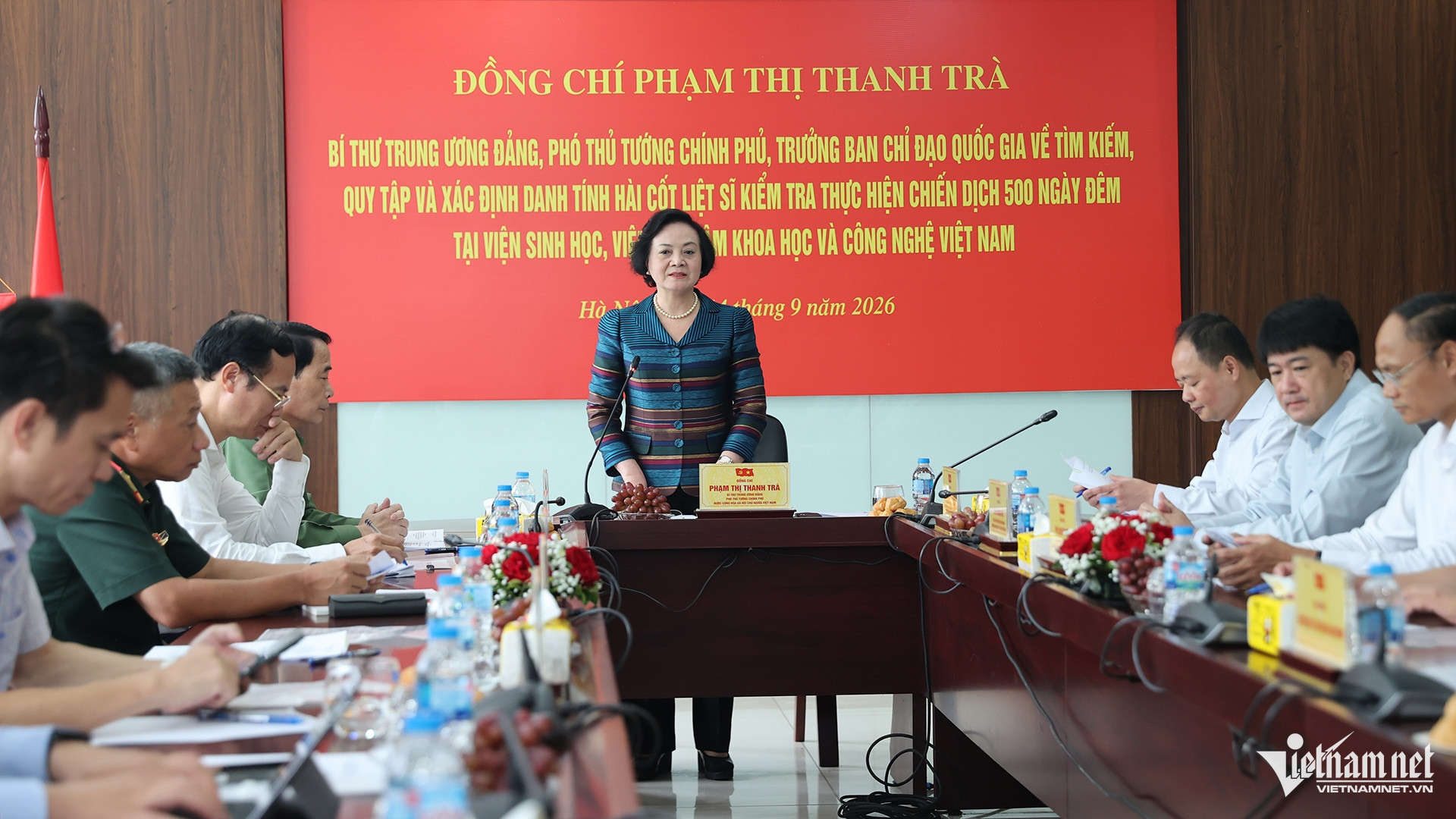
On the morning of Sept. 14, Deputy Prime Minister Pham Thi Thanh Tra, head of Vietnam’s National Steering Committee 515, visited and inspected the DNA Identification Center under the Institute of Biology at the Vietnam Academy of Science and Technology.
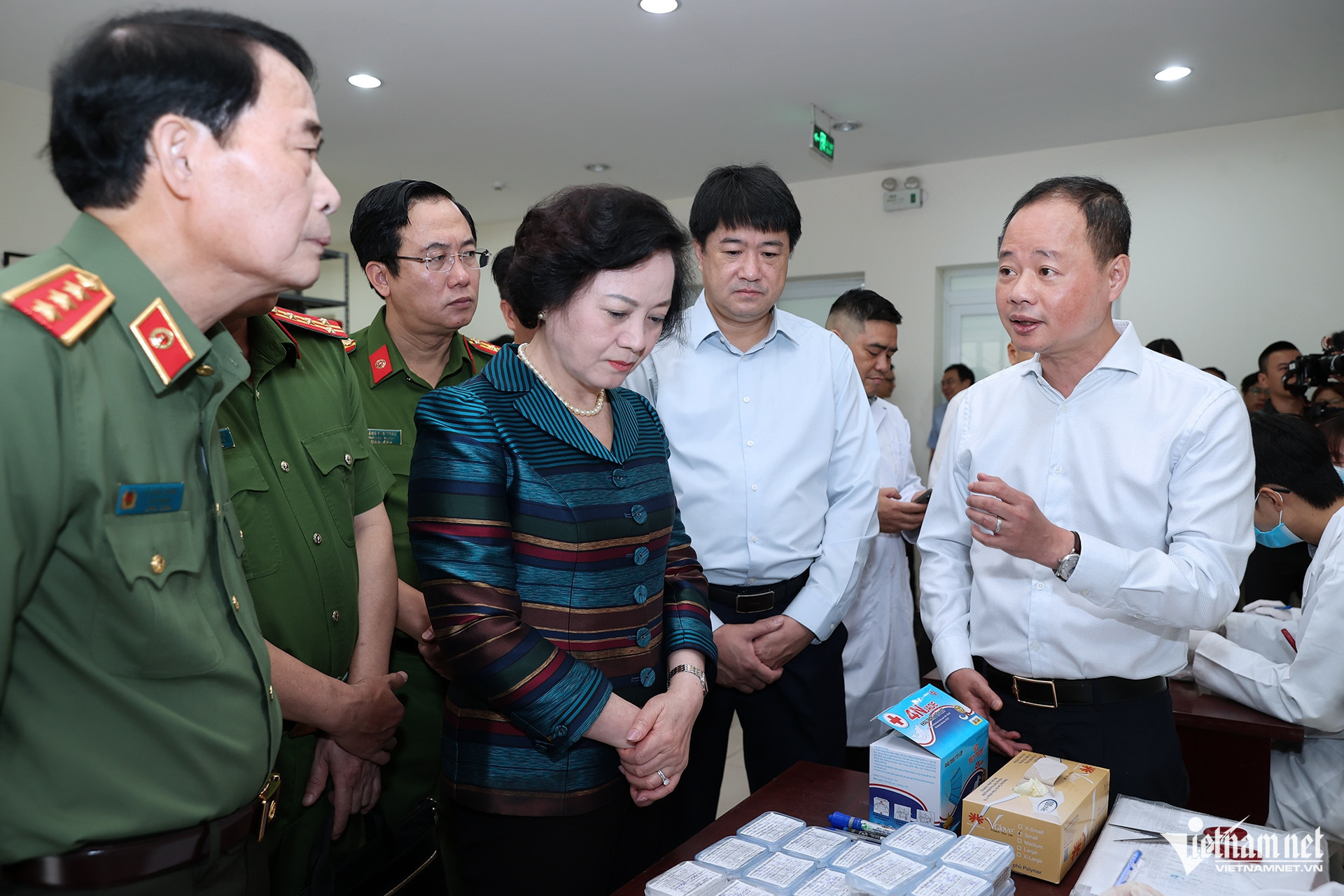
The delegation included Senior Lieutenant General Le Quoc Hung, Deputy Minister of Public Security; Senior Lieutenant General Le Quang Minh, Deputy Director of the General Department of Politics of the Vietnam People’s Army; Deputy Finance Minister Tran Quoc Phuong; Deputy Home Affairs Minister Nguyen Thi Ha; representatives from the Ministry of Science and Technology and the Government Office; and members of the national steering committee responsible for searching for, recovering and identifying the remains of fallen soldiers.
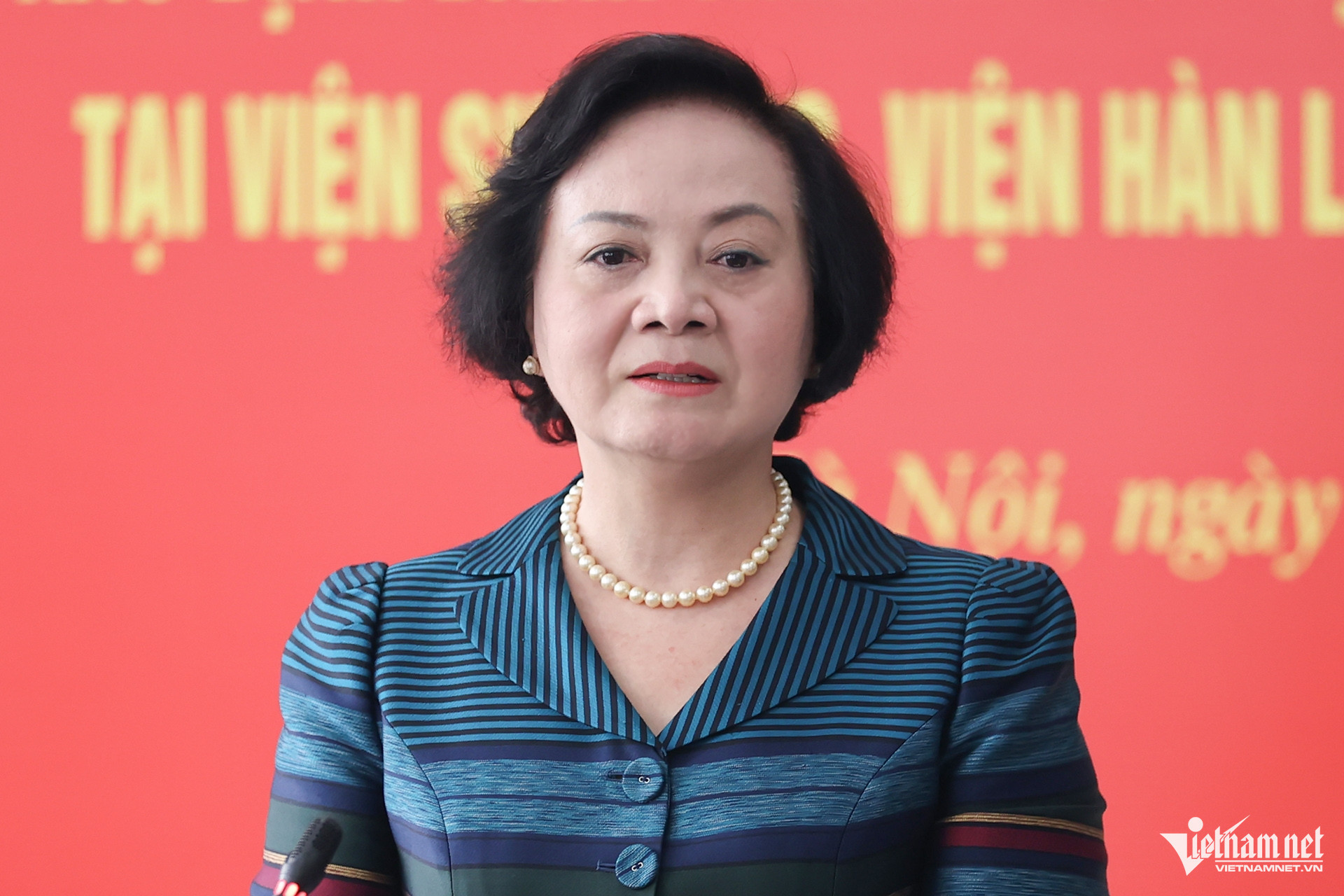
During the visit, Tra praised scientists and staff at the Institute of Biology for mastering new technologies. She also called for further efforts to address challenges involving personnel, data and implementation as the scale of the identification work grows.
New technology opens possibilities for identifying war dead
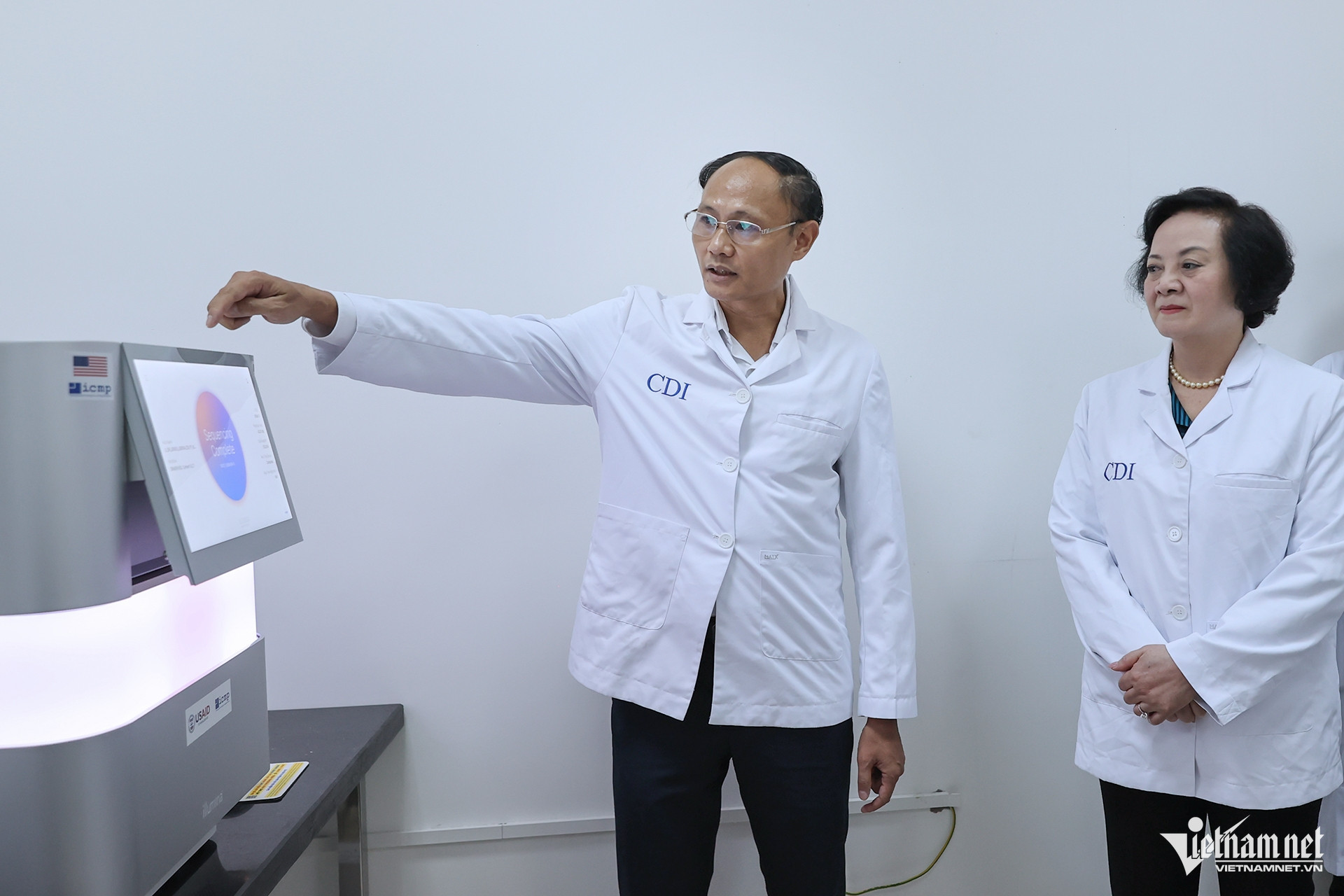
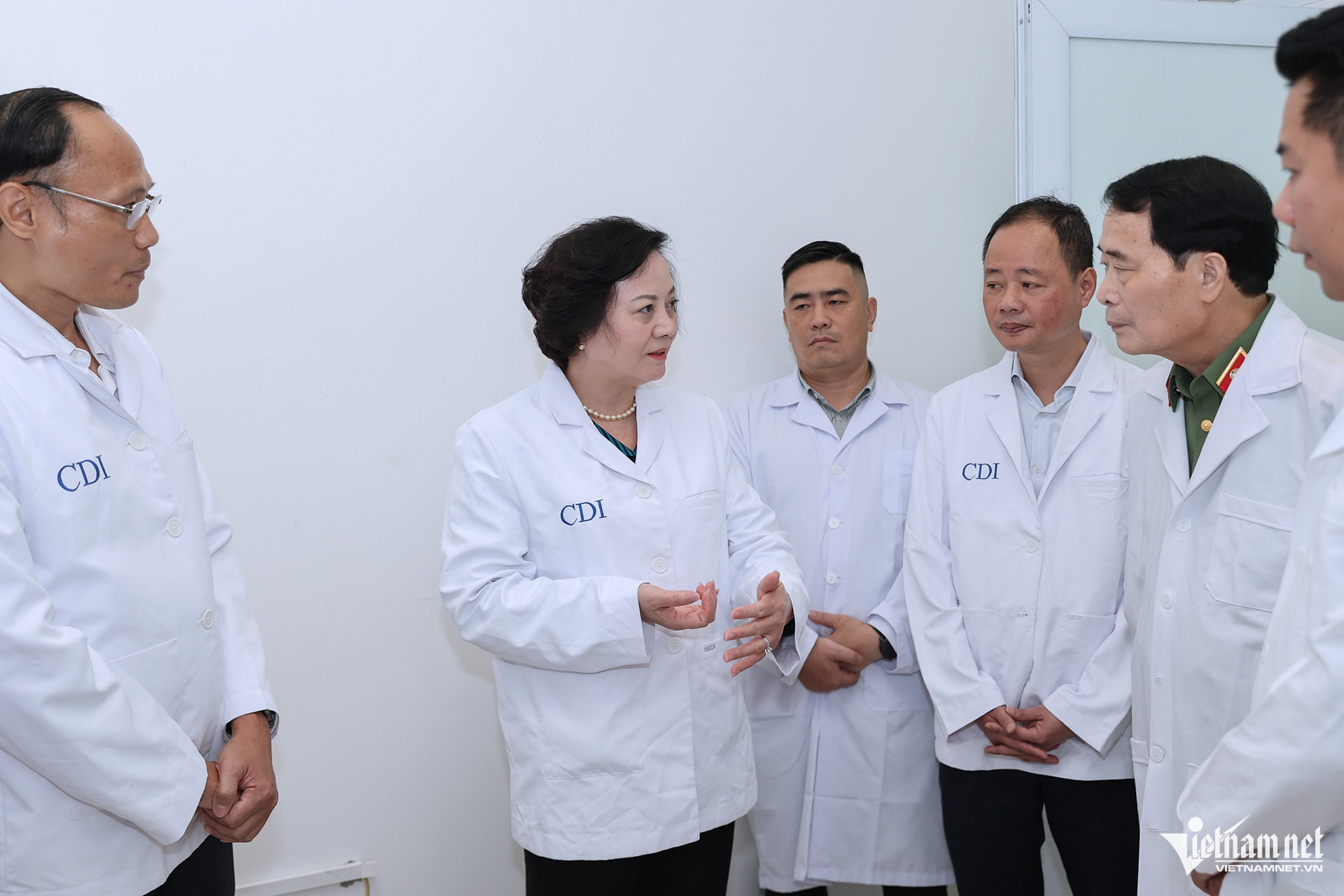
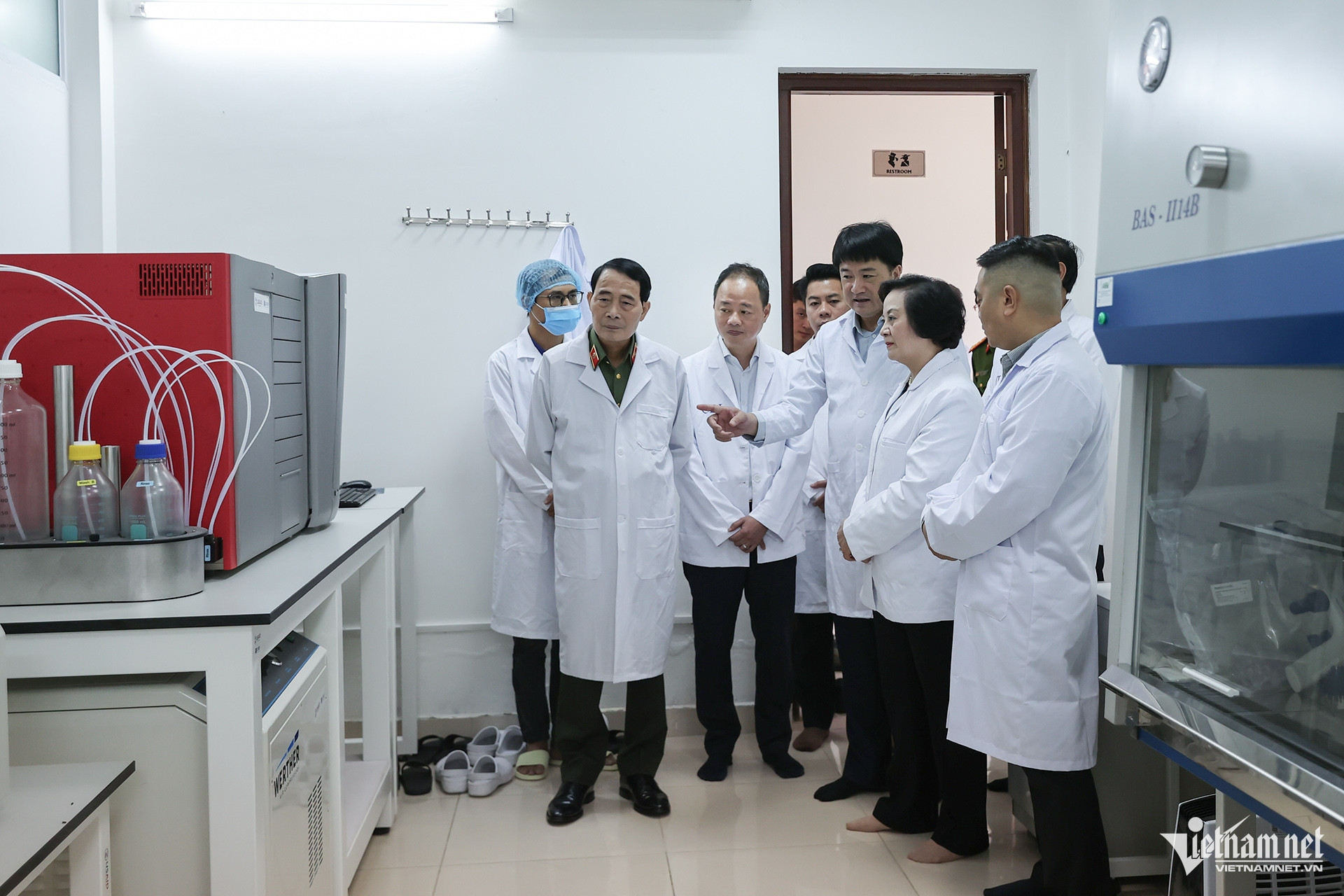
According to the Institute of Biology, the DNA Identification Center has mastered two groups of technologies: conventional mitochondrial DNA analysis and next-generation sequencing combined with single nucleotide polymorphism analysis, known as NGS-SNP.
A major advantage of NGS-SNP technology is its ability to recover genetic information from bone samples that have severely degraded after spending many years underground - a common condition among the remains of fallen soldiers recovered in Vietnam.
The Institute of Biology has successfully developed and optimized two specialized DNA extraction procedures for severely degraded bone samples, raising the recovery rate for nuclear DNA to as high as 80%.
It has also developed data-analysis systems and algorithms capable of matching family relationships through both paternal and maternal lines across as many as four generations.
Tra described the technology as an important step forward because identifying the remains of fallen soldiers requires not only scientific accuracy but also sufficient speed to meet the demands of the nationwide effort.
“You have acquired some of the world’s most advanced technology available today and moved quickly to carry out the tasks assigned by the government and the steering committee,” Tra said.
More than 37,000 remains samples received
The DNA Identification Center has so far received and stored 37,610 samples from the remains of fallen soldiers collected from eight provinces and cities under assignments made by National Steering Committee 515.
The largest numbers include 15,674 samples from Tay Ninh, 7,113 from Ho Chi Minh City, 4,618 from Dong Nai, 3,918 from Thua Thien Hue and 3,216 from Dong Thap.
Since the beginning of the year, the center has combined mitochondrial DNA analysis with high-resolution NGS-SNP technology to establish sufficient scientific and legal evidence to identify 10 sets of remains.
The identification results have subsequently been presented to the soldiers’ families.
Tra said the number was particularly significant given that the center has been testing new technology while simultaneously handling a substantial workload.
“The number may be 10, but it actually represents an extraordinary effort because we have been testing new technology while immediately applying it to such a large volume of work,” she said.
A report from the Institute of Biology showed that NGS-SNP technology was tested on 58 remains samples at Tra Linh War Martyrs’ Cemetery in Cao Bang Province.
Of those, 54 produced data of sufficient quality for comparison, representing a success rate of 93%.
At Giong Rieng War Martyrs’ Cemetery in An Giang Province, the center carried out a larger operation involving the excavation of 965 graves.
Samples suitable for analysis were obtained from 535 graves.
The project is considered Vietnam’s largest trial of NGS-SNP technology to date.
Major challenges in personnel, data and infrastructure
While recognizing the progress made, Tra highlighted several challenges requiring prompt attention, particularly staffing.
The DNA Identification Center currently has 32 employees directly involved in receiving and preserving samples, extracting and analyzing DNA, and matching genetic data.
With the identification program expected to expand, Tra said additional personnel with relevant expertise should be mobilized and trained as quickly as possible.
She also asked the center and the Institute of Biology to continue developing the DNA database and ensure connectivity among data on fallen soldiers, their relatives and Vietnam’s national population database.
“We need to determine how to keep the data synchronized and updated so it can be matched with the Ministry of Public Security’s database,” Tra said.
As head of National Steering Committee 515, she also called on the Institute of Biology to urgently prepare for the adoption of new technology and organize early training for the personnel who will operate it.
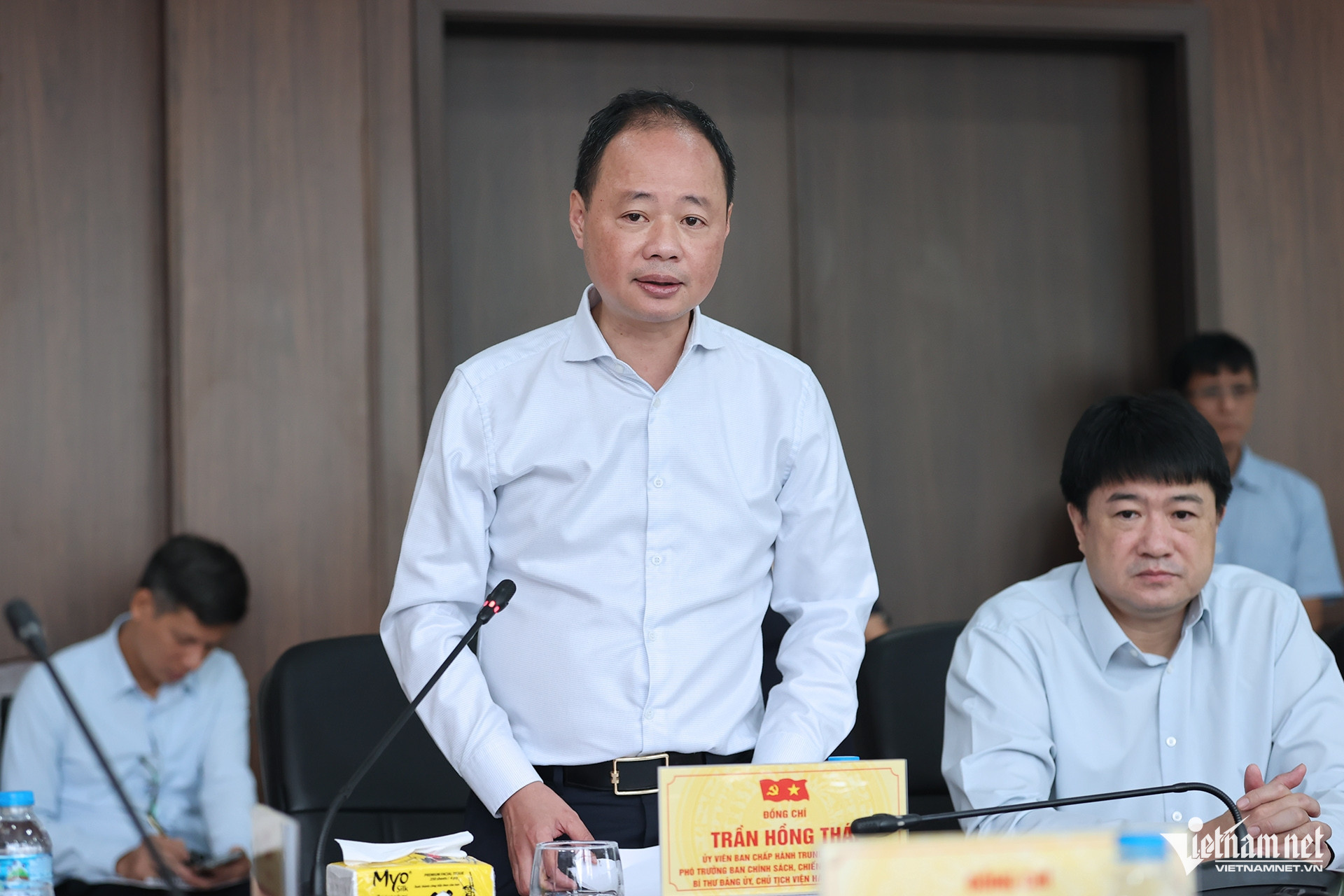
Tran Hong Thai, president of the Vietnam Academy of Science and Technology, said the academy regarded the identification effort as a task of particular importance, requiring the highest level of commitment in personnel, technology and coordination among agencies.
According to Thai, the DNA Identification Center already has a core team of specialists, while the academy has more than 200 researchers and staff in biological sciences who could be mobilized when necessary.
To operate on a larger scale, he said, one of the highest priorities is establishing an interconnected and synchronized DNA database that allows comparisons to be conducted quickly and accurately.
The academy strongly supports plans to connect the relevant databases and will work with other agencies to implement the project effectively.
On workforce development, Thai said training should combine theory with hands-on experience, with priority given to placing personnel directly at the DNA Identification Center so they can quickly become familiar with its procedures and new technologies.
Thai An - Le Anh Dung - Nga Thuy
.svg)
