 Vietnamnet.vn

 Podcast



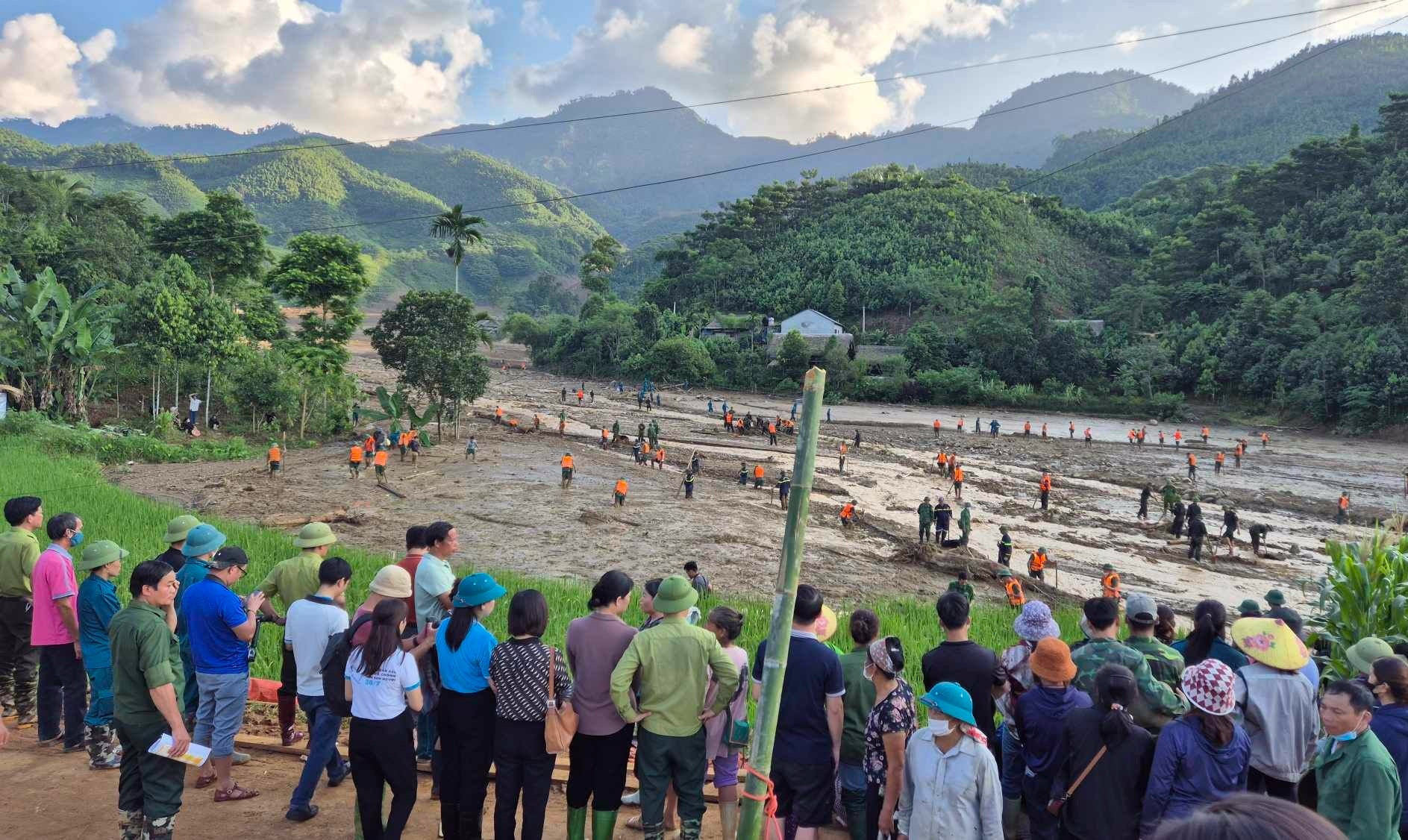
The master plan aims to proactively prevent and minimize disaster damage while stabilizing livelihoods and supporting sustainable socioeconomic development in 21 provinces across the Central and Northern mountainous regions.
Key targets of the proposal include:
· By 2030: complete hazard maps at 1:50,000 for entire provinces and 1:10,000 for high-risk communes.
· Train 100% of disaster response forces with regionally standardized equipment.
· By 2035: over 95% of the early warning and communication system will be automated.
· Timely alerts will be issued for all high-risk zones, with step-by-step relocation of residents from unsafe areas.
From now to the end of 2026, every high-risk location must have evacuation plans and warning signs. Priority will be given to protective infrastructure for residential areas, schools, health stations, and utility services.
The plan also emphasizes the application of modern technologies such as AI, big data, drones, and GIS in disaster investigation, monitoring, and warning systems.
Total budget and funding sources
The estimated budget for the 2025–2035 phase is 161 trillion VND (approximately $6.3 billion), sourced from the state budget (central and local), national and local disaster prevention funds, integrated funding from other programs, and legal private or international sources.
The proposal encourages diversified and socialized investment, calling for participation from the private sector and international organizations in research, technology transfer, and disaster prevention solutions.
Local governments, especially provincial People’s Committees in the central and northern mountainous regions, will be directly responsible for surveying, producing 1:10,000 risk maps for each commune, and planning resettlements for residents in hazardous zones.
This comprehensive plan is expected to bring tangible improvements in disaster preparedness and resilience in the regions most affected by climate change, aiming to protect lives and assets while supporting long-term sustainable development.
Vu Diep
.svg)
