 Vietnamnet.vn

 Podcast



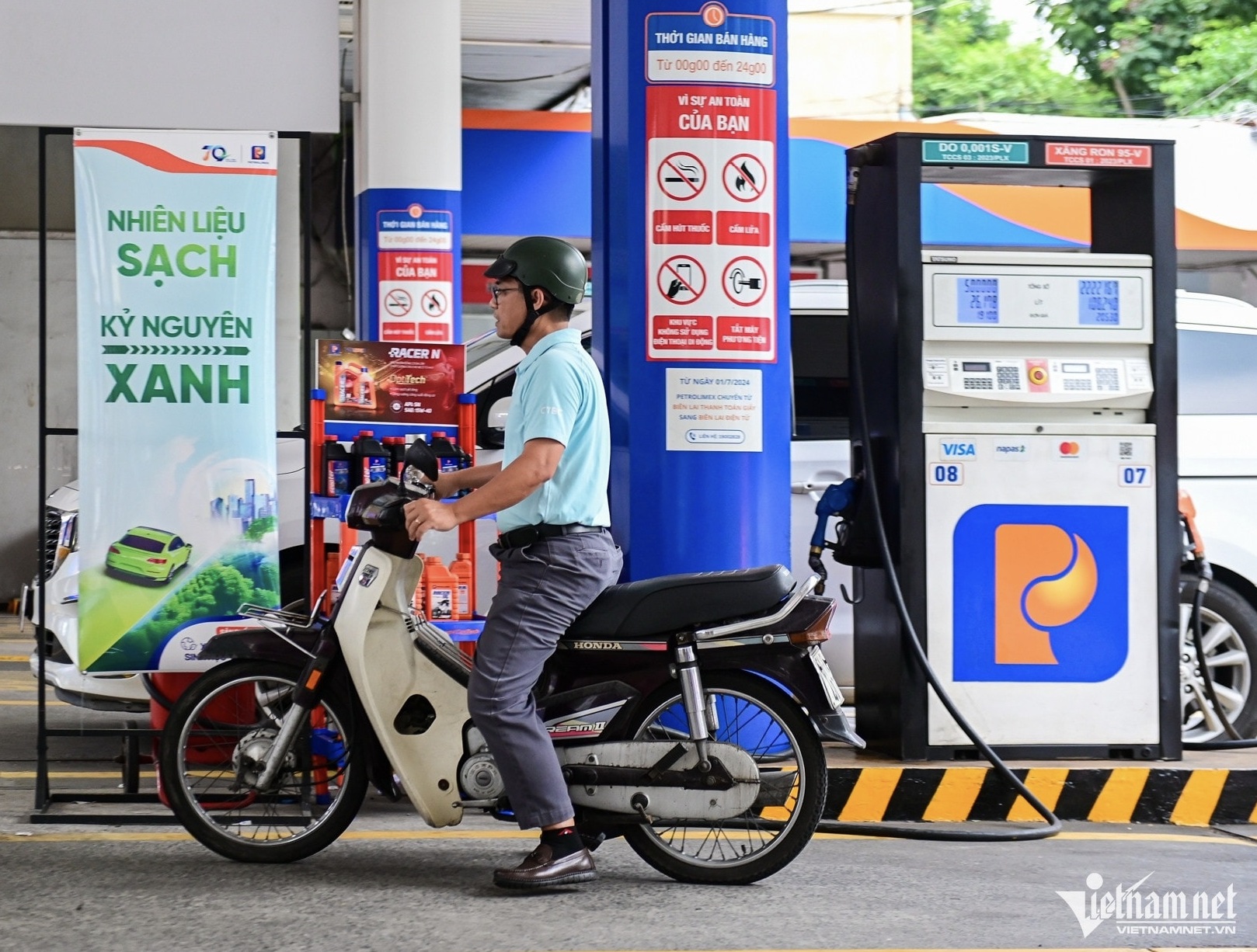
Speaking at a conference on implementing the roadmap for blending biofuels with traditional fuels in the new period on March 9, the deputy minister noted that Vietnam already has a roadmap for blending and using biofuels. However, significant developments in the global oil market over the past week have made the transition more urgent.
Following directives from the Government, the Ministry of Industry and Trade issued Circular No. 50 on November 7, 2025, which sets out regulations on blending biofuels with conventional fuels to replace the previous roadmap. In addition, Directive No. 07 issued by the Prime Minister on February 26, 2026 calls for accelerating the production, blending, distribution and use of biofuel gasoline.
Tan said promoting the use of E5 and E10 gasoline not only helps reduce emissions compared with traditional mineral gasoline, but also contributes to environmental protection. It can also stimulate the development of the biofuel industry, create stable demand for agricultural products and reduce reliance on imported fossil fuels.
In the context of global energy supply facing potential disruptions due to armed conflicts, gasoline blends such as E10, E15, E20 or higher have already been widely used in many countries including the US, Brazil, European nations, China and Thailand.
In Vietnam, E5 gasoline has been distributed nationwide since 2018, while E10 gasoline has been available since August 1 last year.
“In practice, there have been no recorded cases of negative reactions related to the quality of E5 or E10 gasoline affecting vehicle performance or damaging engines,” the deputy minister said.
He added that expanding the use of biofuel gasoline is an inevitable trend in the global energy transition. For Vietnam, biofuel consumption is an important solution to reduce greenhouse gas emissions, fulfill international climate commitments, ensure energy security and diversify fuel supply sources.
Vietnam also possesses considerable potential to develop feedstock for ethanol production, has operated E100 production plants for many years and maintains a nationwide petroleum distribution network.
According to the roadmap, Tan stressed the need for thorough preparation in ethanol supply, blending systems, distribution networks and monitoring mechanisms to ensure transparency, efficiency and compliance with technical standards.
“Although mandatory implementation is scheduled from June 1, 2026, the current geopolitical situation around the world is extremely complex. We should deploy biofuel gasoline as soon as possible,” he said, noting that earlier adoption would help reduce dependence on conventional gasoline.
According to a rapid report from provincial and municipal Departments of Industry and Trade on the fuel market following the price adjustment at 15:00 on March 7, 2026, supply nationwide remains generally stable. However, demand has surged sharply as many people rushed to stockpile fuel.
In Hanoi, major distributors such as Petrolimex, PVOIL and the Military Petroleum Corporation reported that supply remains stable for now and is expected to remain so in the coming days. Nevertheless, sales between March 4 and March 8 increased by about 50 percent compared with the average level in January 2026.
On March 7, 17 fuel stations temporarily stopped selling certain products due to shortages, but supplies were replenished later the same day and normal sales resumed.
In several areas, people were seen bringing cans and containers to purchase gasoline for storage, and in some cases gasoline was even resold in bottles near fuel stations. Market surveillance forces in Hanoi are coordinating with local authorities to inspect and handle these activities.
In Ho Chi Minh City, the fuel market remains generally stable. Retail stations continue operating normally to serve production and consumer demand, and authorities have not detected hoarding or unreasonable price increases.
In Can Tho, fuel stations are operating normally and supply is generally sufficient for transportation and business needs. Due to tensions in the Middle East, major distributors are working to maintain supply. Many stations have limited sales to customers bringing large containers in order to reduce fire risks.
In Hai Phong, the city currently has 10 fuel depots with a combined capacity of nearly 467,700 cubic meters and nearly 498 retail stations. Supply remains stable with participation from two primary wholesalers, five authorized traders, 16 distributors and nearly 250 retailers.
The retail network of major enterprises including Petrolimex, PVOIL, the Military Petroleum Corporation and Agrixim - with 146 stations and 56 agents and franchise outlets - accounts for more than 55 percent of the city’s retail market and continues to ensure supply.
In Da Nang, the fuel market remains stable and supply at retail stations is guaranteed. Trading activities of wholesalers, distributors and retailers continue normally, and official price listings are fully implemented.
In Hue, the city currently has 128 operating fuel stations, none of which have requested to suspend operations. Supply continues to meet consumer demand.
In Nghe An, wholesalers and distributors are still supplying fuel adequately to retail systems, and no local supply disruptions have been recorded.
Meanwhile in Thanh Hoa, supply remains generally stable and is expected to meet demand through the end of March. However, sales volume at stations has surged, rising on average by 80 to 100 percent compared with previous levels, with Petrolimex stations recording increases of more than 100 percent.
In An Giang, distributors continue to supply fuel according to plan and expect supply to remain sufficient for seven to ten days. Demand has nevertheless increased sharply as the rice harvest season begins and large infrastructure projects are underway, including works related to APEC in Phu Quoc.
Several provinces including Bac Ninh, Thai Nguyen, Phu Tho, Lao Cai, Tuyen Quang and Gia Lai have reported diesel stockpiling. Some trucks were seen queuing at fuel stations to fill up before reselling fuel to other outlets.
Local authorities have strengthened inspections to ensure that supply chains are not disrupted.
Authorities say that in recent days concerns about rising fuel prices and potential supply disruptions prompted people to rush to buy and store gasoline and diesel in many forms, causing a sudden surge in demand. This phenomenon has been more pronounced in northern provinces, particularly Hanoi.
After the Ministry of Industry and Trade and the Ministry of Finance adjusted retail fuel prices from March 8, 2026, stockpiling activity has decreased.
However, in some border provinces such as Tay Ninh, Gia Lai and Nghe An, people from Cambodia and Laos have crossed into Vietnam to purchase fuel because domestic prices are lower.
In Cambodia, the price of RON95 gasoline is about VND31,000 per liter (US$1.25), compared with VND27,047 per liter (US$1.09) in Vietnam. Diesel prices there are about VND25,000 per liter (US$1.01).
In Laos, RON95 gasoline costs about VND39,000 per liter (US$1.57), while diesel is around VND36,600 per liter (US$1.47). Laos is also facing supply shortages because Thailand has restricted fuel exports, forcing many stations to close.
The Ministry of Industry and Trade and the Ministry of Finance said they will continue closely monitoring developments in the global oil market and domestic supply conditions to take appropriate regulatory measures in the coming period.
Tam An
.svg)
