 Vietnamnet.vn

 Podcast



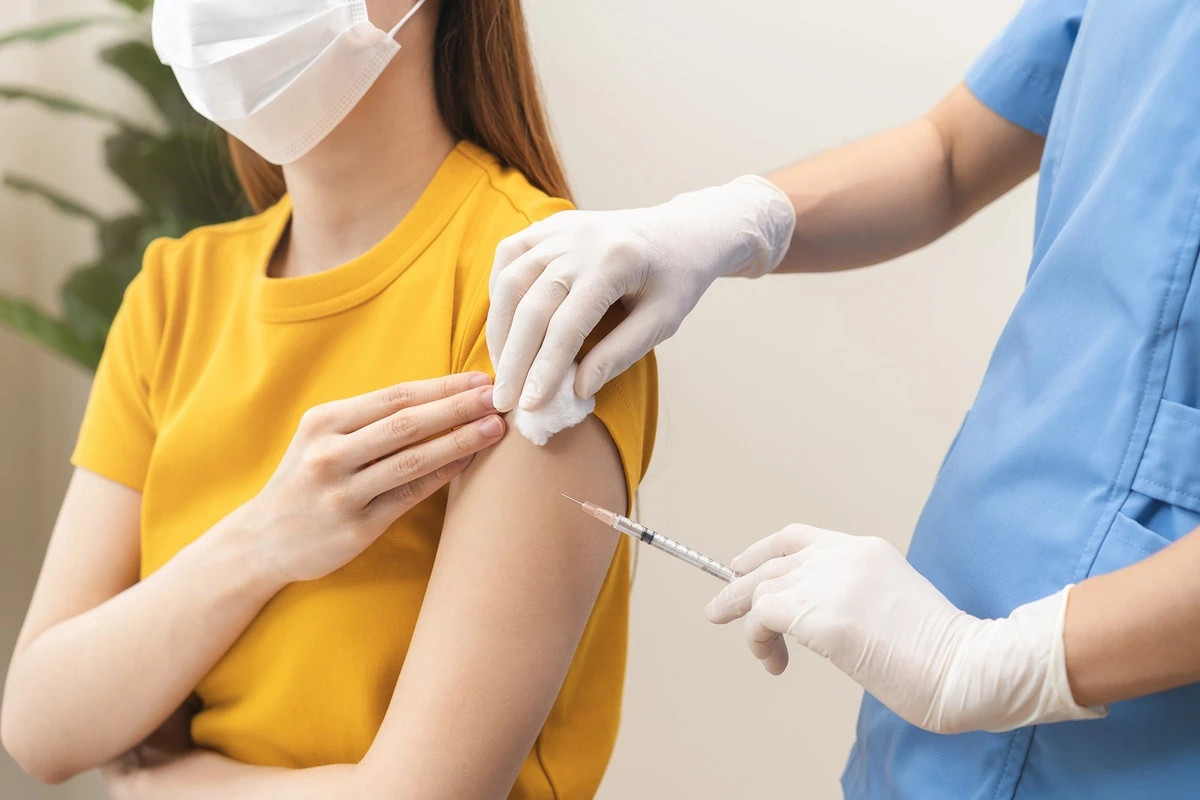
Many East Asian countries are experiencing an unusually early and intense flu season compared to previous years.
Health authorities across the region are emphasizing the need for enhanced surveillance, public awareness, and personal preventive measures to curb the spread.
Flu outbreaks by country
In Thailand, over 702,000 cases and 61 deaths have been recorded as of October 8. The highest fatality rates are among the elderly (60 and above), followed by those aged 50-59, 40-49, and young children aged 0-4.
Japan has officially declared the nationwide onset of flu season, with over 6,000 cases reported during the last week of September and the first week of October. Alarmingly, this outbreak began one month earlier than last year, marking the second earliest flu season since 1999.
In Malaysia, the outbreak is affecting schools, with approximately 6,000 students diagnosed with the flu. Several schools have temporarily closed to prevent further spread, according to the Ministry of Education.
In Taiwan (China), flu cases and serious complications are on the rise. Since early October, five cases of severe complications have been reported.
In Hong Kong (China), the Centre for Health Protection under the Department of Health reported the death of a child due to a serious influenza B infection on October 12. Health officials are urging parents and schools to ensure children are vaccinated to prevent infection and severe outcomes.
Vaccination as a protective shield
With flu cases rising across East Asia, Vietnam also faces increased risk due to seasonal weather changes, climate variability, and growing travel and tourism activity.
Vietnam’s Department of Preventive Medicine has issued autumn-winter health advisories, highlighting the importance of proactive vaccination with currently available flu vaccines.
Annual flu vaccination can reduce infection risk by up to 60% and significantly lower the risk of complications, particularly in older adults and people with chronic illnesses. The reduction rate for serious complications ranges from 12% to 80%, depending on the type of complication and the affected group.
In its 2025 recommendations, the World Health Organization and Vietnam’s Ministry of Health have identified priority groups for vaccination: the elderly, young children, pregnant women, people with chronic illnesses, and healthcare workers - those most likely to contract or suffer complications from the flu.
Vaccination protects not only the individual but also the wider community, including vulnerable populations who cannot receive the vaccine. Each dose contributes to building a strong collective shield against potential outbreaks.
In addition to vaccination, daily preventive habits remain essential: washing hands frequently, wearing masks in crowded places, covering your mouth when coughing or sneezing, maintaining distance from those with respiratory symptoms, and staying home when ill. These simple practices can make a significant impact in stopping community transmission.
Znews
.svg)
