 Vietnamnet.vn

 Podcast



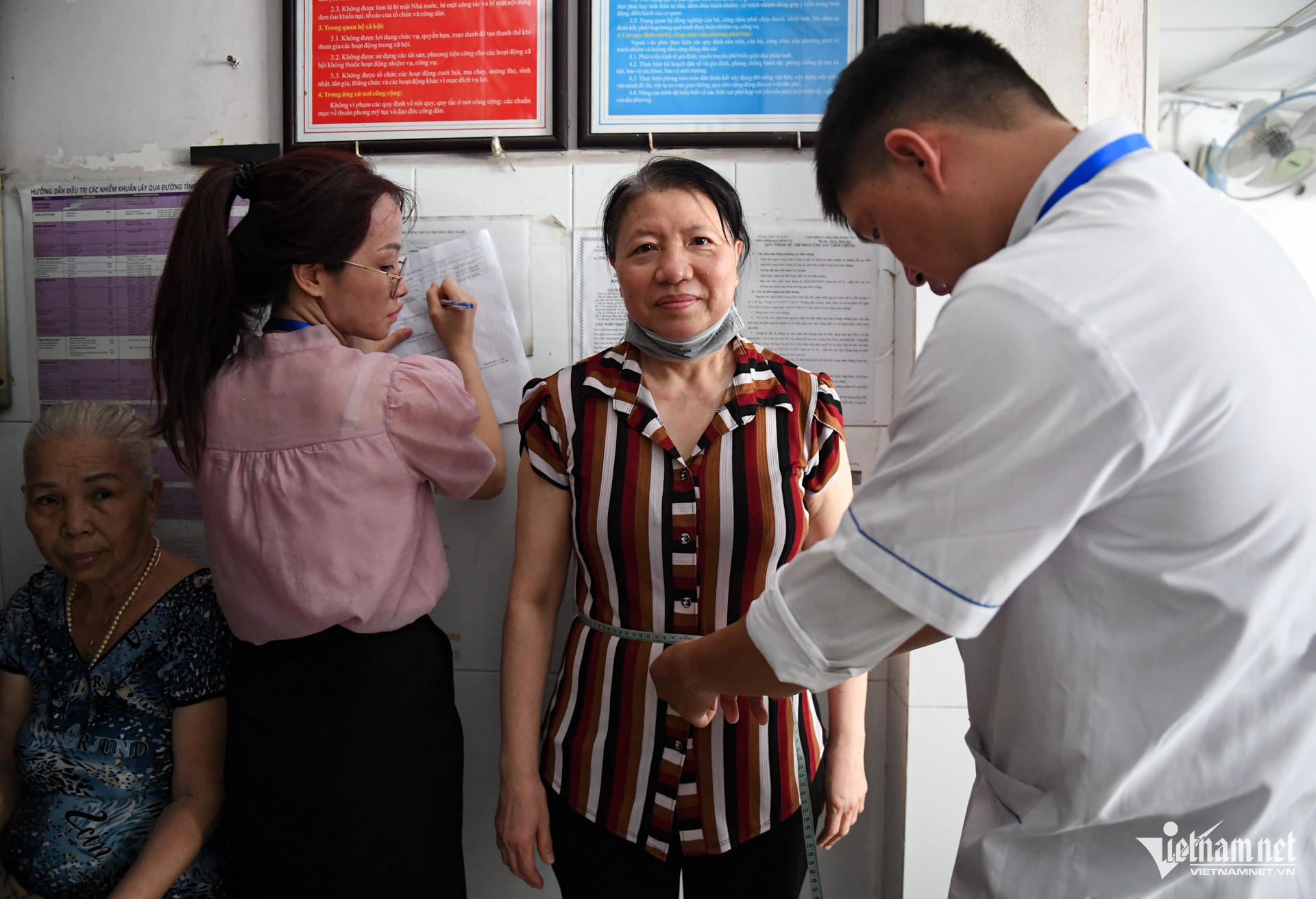
The initiative is among measures designed to help Vietnam adapt to population aging under a newly issued circular guiding implementation of the National Target Program on Health Care, Population and Development for 2026-2035, with its first phase running from 2026 to 2030.
Under the program, the Ministry of Health will provide health and population workers at different administrative levels with guidance, knowledge and skills to help people aged 40 and above prepare for old age while they are still relatively young.
The guidance will cover healthy lifestyles, physical fitness, caring for older people at home, financial preparation, and suitable employment and work.
Using model materials provided by the Ministry of Health, local authorities will develop their own resources adapted to regional customs, practices and languages.
Localities will provide counseling and share knowledge and skills on preparing for old age through community-based elderly care clubs. The content will also be incorporated into local cultural activities.
The program is not limited to people aged 40 and above. It also calls for preparation for old age to begin at a younger age.
The Ministry of Health will develop materials to provide younger generations with knowledge, skills and education on healthy living, raising healthy and well-adjusted children, working and building savings to adapt to an aging population. Knowledge about preparing for later life and healthy aging will also be promoted more broadly within communities.
The decision to formally include preparation for old age among programs targeting people aged 40 and above comes as Vietnam enters a period of rapid population aging.
Vietnam currently has around 14.2 million people aged 60 and above, accounting for 14.1% of its population. That figure is projected to rise to nearly 18 million by 2030.
In 2024, the country’s aging index reached 60.2%, meaning there were about 60 older people for every 100 children. According to projections by Vietnam’s statistics authority, the number of older people will surpass the number of children by 2034, marking the country’s transition into an aged population two years earlier than previously forecast.
Population experts have previously raised the need for people to start preparing for old age while they are still young, emphasizing that individuals should take a more proactive approach to their health, finances and employment rather than waiting until retirement or later life.
‘Preparing for old age’ is not the same as ‘preparing for retirement’
Some readers expressed concerns when the Ministry of Health previously proposed providing people with knowledge about preparing for old age from the age of 40.
Giang Thanh Long, a professor and population and development expert at the National Economics University, said much of the concern stems from people equating “preparing for old age” with “preparing for retirement.”
“Preparing for old age does not mean preparing for retirement. It means preparing so that when you grow older, you can remain healthy and less dependent on others,” Long told VietNamNet.
According to Long, 40 is an age when many people begin to enjoy greater stability in their careers and relatively steady incomes. In Vietnam, people in their 40s are also in the age group experiencing the highest growth in average per capita income.
At the same time, most are still healthy enough to change their lifestyles and take preventive measures against disease, while having accumulated a certain level of social connections and standing.
If old age is considered to begin at 60-65, people who are 40 today still have another 20-25 years to continue building their health, financial resources and social support networks.
Long said choosing 40 as a reference point does not mean people should wait until that age to start preparing for later life. Rather, it is an appropriate time to reassess their circumstances and proactively develop a long-term plan for the decades ahead.
Vo Thu
.svg)
