 Vietnamnet.vn

 Podcast


Deputy Minister of Science and Technology Pham Duc Long made the call at a ceremony announcing the Vietnam Digital Technology Enterprise Map 2026 and honouring the Top 10 Vietnam Digital Technology Enterprises 2026 on November 18.
The event was organised by the Vietnam Software and IT Services Association (VINASA) under the sponsorship of the Ministry of Science and Technology.
83 enterprises featured on Vietnam's 2026 technology map
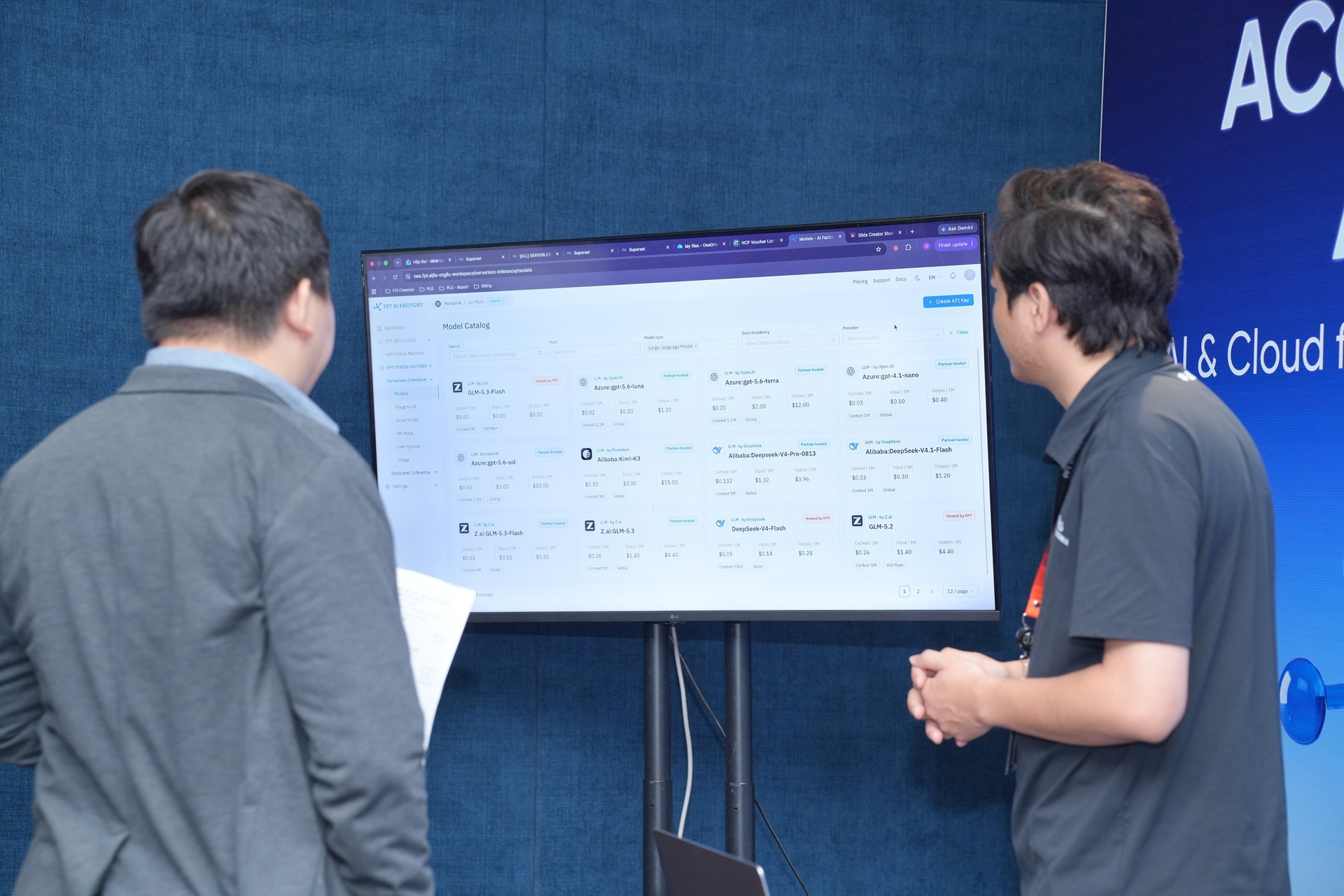
Following three rounds of evaluation involving 230 participating enterprises, 83 companies were selected for inclusion in the Vietnam Digital Technology Enterprise Map 2026.
The map features 108 positions across 11 sectors, while 51 Top 10 titles were awarded to outstanding enterprises.
The evaluation process used VINASA's TechMap methodology, developed from the Gartner Magic Quadrant model.
Companies were assessed against 10 criteria organised along two dimensions: vision and execution.
A single enterprise may appear in multiple positions on the map, reflecting both the technologies it has mastered and the markets in which those technologies are applied.
The results indicate that Vietnamese technology companies are moving beyond traditional software outsourcing and electronics assembly towards higher-value activities, including semiconductor design and the development and operation of complex systems for international customers.
Some enterprises are also making progress in mastering strategic technologies.
Viettel, for example, has trained a Vietnamese-language artificial intelligence model with 120 billion parameters, while FPT has begun trial operations at a semiconductor testing facility.
Artificial intelligence attracted the highest number of applications in this year's programme.
Numerous Vietnamese enterprises have integrated AI directly into software development processes and are providing specialised solutions to hundreds of customers in more than 30 countries.
Leading companies urged to build collaborative ecosystems
Speaking at the ceremony, VINASA Chairman Nguyen Van Khoa said this year's programme introduced a new approach to evaluating technology enterprises.
Rather than simply assessing what companies claim they can do, the programme increasingly requires them to demonstrate measurable results.
"The Top 10 title is not merely recognition but a public commitment to responsibilities towards customers, the industry and the country," Khoa said.
He stressed that Vietnam's ambition to develop 10 internationally competitive AI brands by 2030 would depend on the efforts of companies investing in innovation and technological capabilities today.
Deputy Minister Long praised the digital technology enterprise map for providing a clearer picture of the industry's actual capabilities and supporting evidence-based policymaking.
He said digital technology enterprises must become central players in Vietnam's innovation ecosystem and progressively master strategic technologies to help implement the Politburo's Resolution 57 on breakthroughs in science, technology, innovation and national digital transformation.
To promote substantive development in the digital technology sector, Long outlined four priorities.
First, the enterprise map should function as a dynamic database supporting policymaking and connecting technological capabilities with the practical needs of ministries, sectors and local authorities.
VINASA should continuously update and verify enterprise information to ensure that the database accurately reflects technological developments.
Second, ministries, government agencies and local administrations should actively identify and commission solutions to real socioeconomic challenges, creating market opportunities for Vietnamese technology companies.
Third, enterprises should change their approach to market development and core technological capabilities.
Rather than focusing primarily on applying existing technologies, companies should increasingly master the technologies themselves.
They should also move beyond selling ready-made products and work directly with government agencies and local authorities to address specific problems, avoiding superficial digital transformation.
Fourth, leading enterprises recognised by the programme should publicly identify the technologies and fields in which they have established expertise.
They should then create opportunities for collaboration, helping establish interconnected ecosystems in which businesses can share capabilities, support one another and grow together.
Long expressed hope that VINASA would be able to announce such a collaborative ecosystem in 2027.
Digital technology map to connect Vietnam with global partners
The Ministry of Science and Technology pledged to continue working with VINASA and the business community to create a favourable environment for technological innovation.
The ministry also aims to strengthen connections between domestic technological capabilities and the country's socioeconomic development priorities.
Following the awards ceremony, the online enterprise map at top10ict.com will continue to receive regular data updates.
The platform is designed to provide reliable information about Vietnamese technology companies and their capabilities.
It is also expected to facilitate connections between Vietnamese enterprises and approximately 4,000 agencies, organisations and investors across nearly 100 economies.
By improving transparency and enabling more effective partnerships, the initiative aims to help Vietnamese technology enterprises expand their international presence while strengthening cooperation within the domestic digital industry.
Du Lam

