 Vietnamnet.vn

 Podcast



The Asia-Pacific Dialogue on Heritage and Authenticity opened in Hanoi on Sep. 27, bringing together leading experts from UNESCO and around the world, representatives of World Heritage Committee member countries, regional heritage authorities, and Vietnamese agencies, organizations and specialists.
No compromise on cultural identity
Addressing the conference, Foreign Minister Le Hoai Trung said Vietnam’s Party and State have consistently regarded culture as society’s spiritual foundation and both a goal and a driving force of sustainable national development. Culture must be placed on an equal footing with the economy, politics and social affairs, he said.
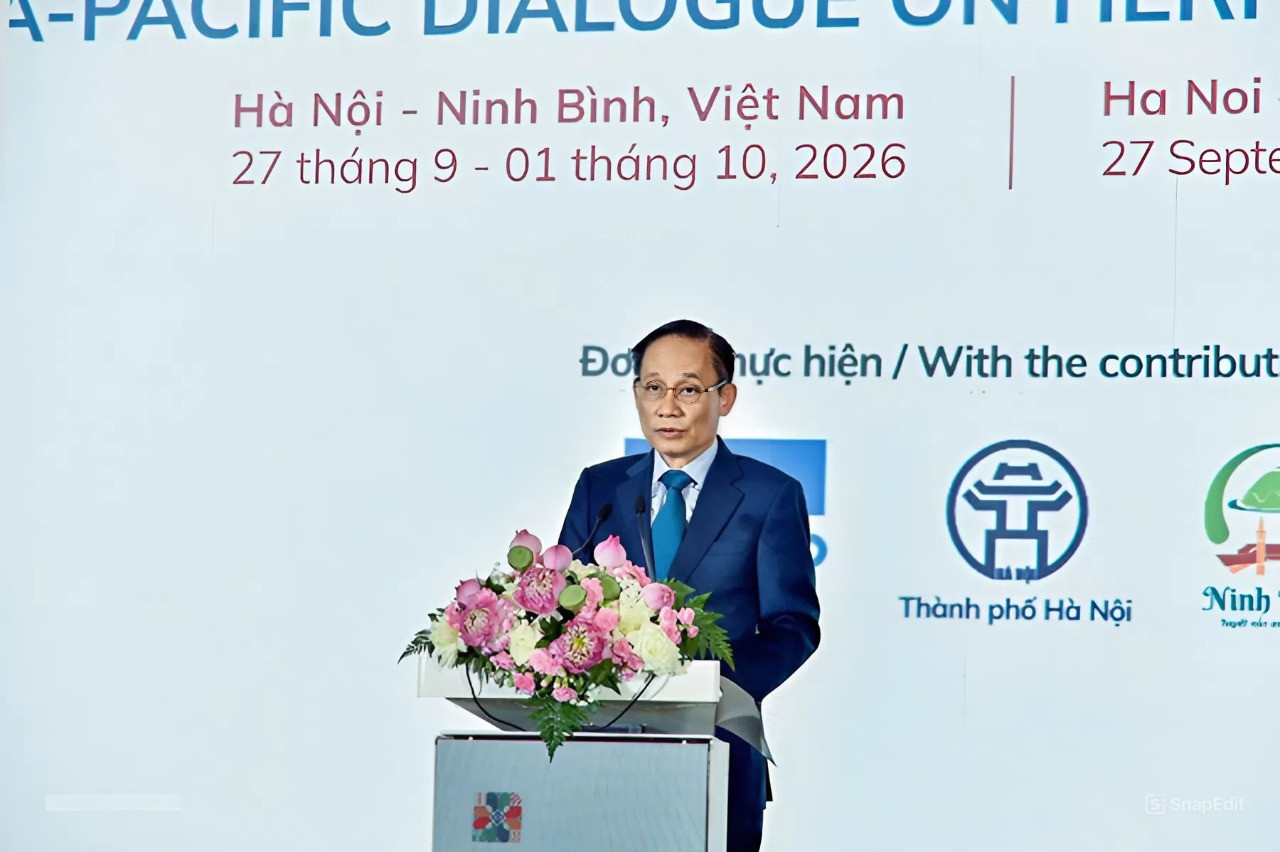
Cultural heritage is an invaluable asset, a source of national identity and part of humanity’s shared heritage.
“Our approach is to conserve heritage for development and to develop in ways that enable better conservation, with the utmost respect for the original elements of heritage and recognition of communities’ central role. These principles were enshrined in the 2024 Law on Cultural Heritage and further reaffirmed and advanced by the Politburo in its resolution on developing Vietnamese culture, issued earlier this year," he said.
“As Vietnam enters a new era, an era of national advancement, we are committed to rapid but sustainable development. We firmly reject trading away our identity or sacrificing heritage in pursuit of economic growth alone. We regard investment in culture as an investment in development, in people and in the future,” the minister emphasized.
Trung also outlined several considerations for experts drafting the “Hanoi Document on Heritage and Authenticity”: understanding authenticity through respect for cultural diversity; upholding responsibility to history and future generations; placing people and communities at the center and recognizing their leading role; strengthening solidarity and cooperation; and translating awareness into action.
Hanoi’s responsibility to its heritage
Speaking at the conference, Hanoi Party Committee Deputy Secretary Nguyen Van Phong said the capital possesses an exceptionally rich and diverse cultural heritage, with more than 6,000 historic and cultural sites, thousands of inventoried intangible cultural heritage elements, numerous national treasures and UNESCO-recognized heritage.
These assets are a source of pride, but also place a considerable responsibility on the city to preserve their integrity, authenticity and identity. At the same time, Hanoi must draw on its heritage to teach younger generations about tradition, strengthen cultural identity, support socioeconomic development and improve residents’ quality of life.
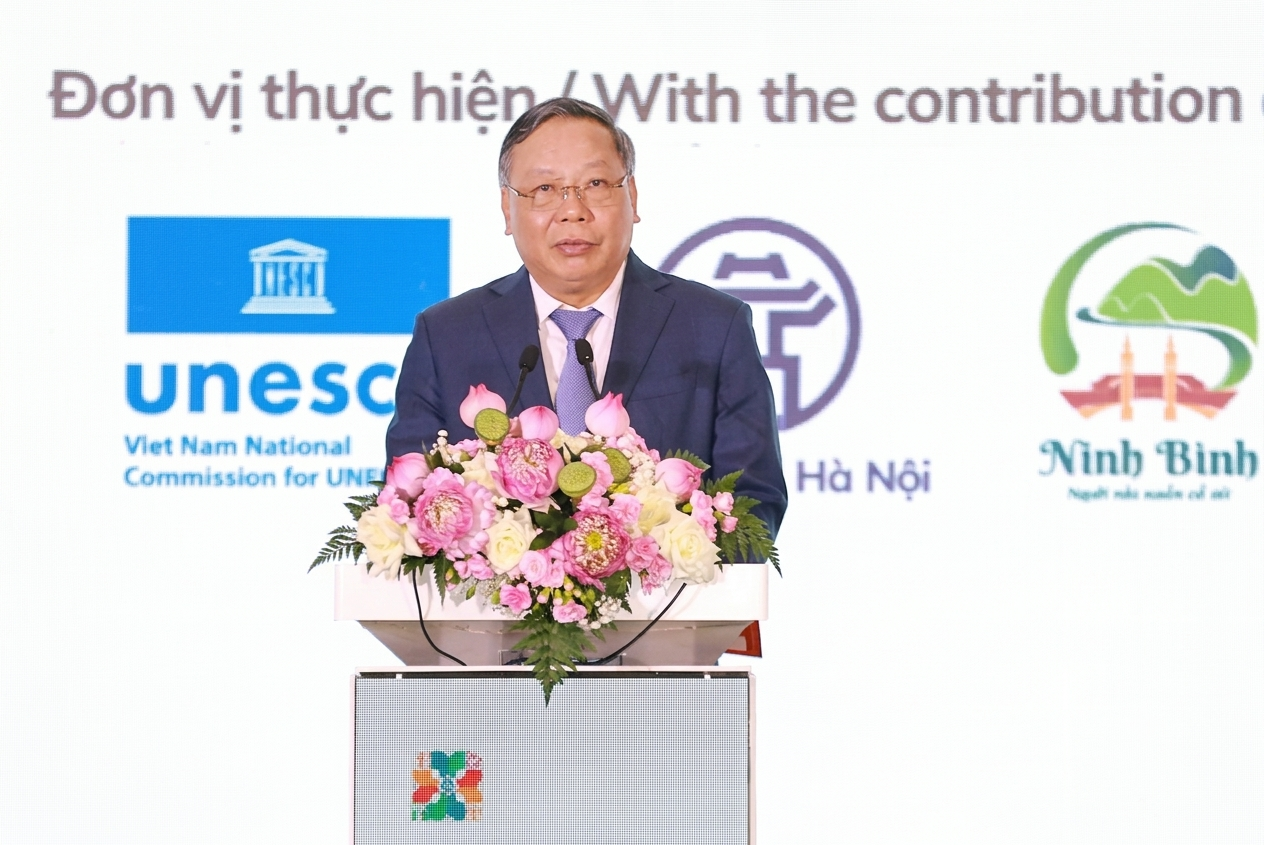
The conference, jointly organized by the Ministry of Foreign Affairs and Hanoi, therefore offers Vietnam an opportunity to participate actively in and contribute to international dialogue on heritage and authenticity. It also provides a forum for experts, researchers, managers and international organizations to exchange experience on emerging challenges in conserving heritage and promoting its value.
One of the conference’s key intended outcomes is to discuss and develop the “Hanoi Document on Authenticity and Heritage,” drawing on dialogue, exchanges and contributions from participating experts, researchers, countries and international organizations.
The document is expected to build on the international discussion of authenticity from Venice and Nara to Nairobi, while reflecting new demands arising from conservation practice. It aims to strengthen international cooperation and make a practical contribution to conserving heritage and promoting its value across the region and beyond.
UNESCO World Heritage Centre Director Lazare Eloundou Assomo said Vietnam has consistently been an active, responsible State Party, making constructive contributions to the work of the World Heritage Committee since ratifying the World Heritage Convention in 1987.
Vietnam not only cherishes the heritage values recognized by the international community but also takes seriously the responsibilities that accompany that recognition. Respecting procedures and safeguarding the credibility of shared standards are more than procedural requirements: they underpin trust between UNESCO and its member states.
Praising the management of sites including the Imperial Citadel of Thang Long, Trang An, Hoi An, Hue, Ha Long Bay and the Yen Tu complex, Assomo said they offer lessons for the international community, with beliefs, memories and living practices closely interwoven with heritage landscapes.
He expressed confidence that the Hanoi Document’s recommendations would affirm the Asia-Pacific region’s contribution to the broader international discussion, helping make the World Heritage Convention stronger, more inclusive and more representative of the diversity of humanity’s heritage.
Tinh Le
.svg)
