 Vietnamnet.vn

 Podcast



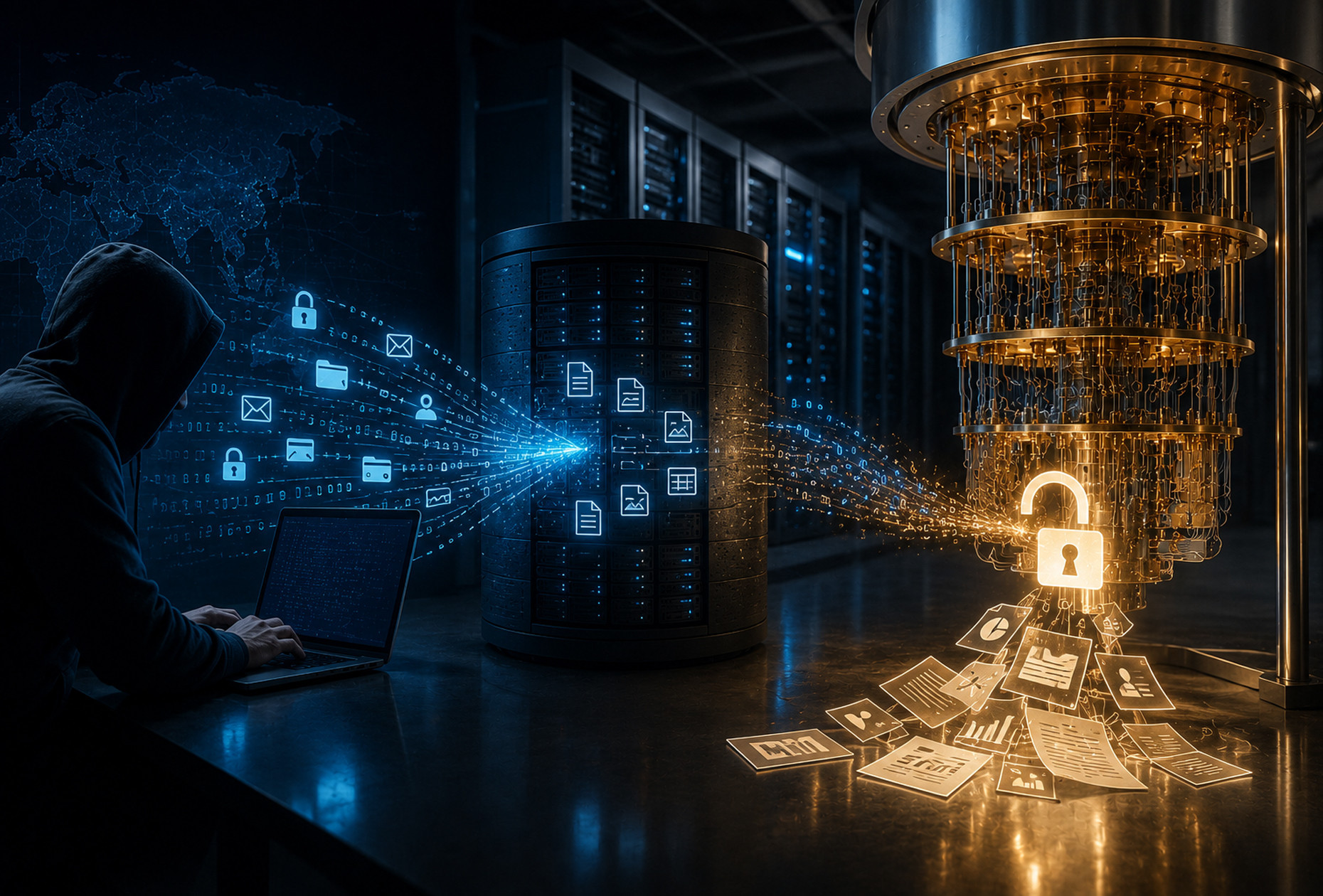
Cybersecurity experts say that the primary threat is not that quantum computers will break current encryption systems, but that organizational and corporate data are being stolen today to be decrypted once the technology matures.
This tactic is known as "Harvest Now, Decrypt Later." Under this strategy, hackers or cyberespionage organizations silently gather encrypted data today and store it for years without immediate exploitation. When quantum computers capable of cracking common cryptographic algorithms emerge, these vast data repositories could be decrypted within a short time frame.
For enterprises, this threat presents a fundamentally different challenge compared to traditional cyberattacks. Previously, data theft resulted in immediate damage following an incident. In the quantum era, however, organizations and businesses may remain completely unaware that their critical digital assets have been copied and stored in attackers' archives, awaiting exploitation at an opportune moment.
Data with a long lifespan represents the most high-value target. This includes technological know-how, product designs, manufacturing formulas, research and development (R&D) data, customer records, commercial contracts, financial information, and strategic business plans.
The risk extends far beyond individual businesses. In the digital economy, enterprises are increasingly interconnected with partners, suppliers, banks, and regulatory agencies through digital platforms.
Compromising a single link in the supply chain could allow data from multiple organizations to be harvested and retained for future targeted attacks. This makes the risk from quantum computing systemic rather than confined to a single enterprise.
While quantum computing is expected to mark a major breakthrough in processing power, it presents unprecedented challenges for cybersecurity. Experts stress that Vietnam must take proactive steps early to avoid being caught off guard by future security threats.
Vietnam cannot stand out of the quantum race
Quantum technology is widely regarded as one of the strategic technologies capable of reshaping global science, technology, and economic development over the coming decades.
However, it is also one of the most technically complicated fields, requiring advanced scientific research, technology development, infrastructure, and highly skilled talent.
Tran Hong Thai, president of the Vietnam Academy of Science and Technology, said many research avenues worldwide remain in the experimental and testing phases, unable to immediately produce commercial products or mass-market applications.
However, he stressed that Vietnam cannot afford to remain on the sidelines simply because the field is difficult. Early investment in quantum research and development will enable the country to gradually master core technologies instead of merely adopting them after global standards will have already been established.
Quantum computing could undermine today's encryption
Beyond creating new opportunities, quantum technology also poses major challenges to cybersecurity.
According to Thai, once sufficiently powerful quantum computers become available in the future, many of today's widely used encryption systems may no longer provide adequate protection.
The greatest concern is that attackers could begin collecting encrypted data today, store them for years, and decrypt them when quantum technology becomes capable of breaking current cryptographic methods.
Senior Colonel Nguyen Hong Quan, deputy director of the Cybersecurity and High-Tech Crime Prevention Department (A05) under the Ministry of Public Security, said Vietnam's digital transformation is accelerating, making digital technology the backbone of society.
At the same time, cyberattacks are becoming increasingly sophisticated, large-scale, and cross-border. He said cybercriminal groups have already begun using AI to carry out fraud, impersonation, malware distribution, and targeted attacks against government agencies, businesses, and individuals.
In such a context, the rapid advancement of quantum computing presents an additional challenge to conventional security systems. Many encryption methods currently in use could eventually become incapable of protecting data against the processing power of future quantum computers.
Quan said the challenge today is not only to respond to immediate cyber threats but also to build cybersecurity capabilities for the quantum era.
Major General Nguyen Tung Hung, deputy commander of the Cyber Warfare Command under the Ministry of National Defense, noted that the world is entering the age of AI and quantum technologies. Vietnam must prepare for the "Harvest Now, Decrypt Later" strategy pursued by countries that possess advanced quantum capabilities.
Thai Khang
.svg)
