 Vietnamnet.vn

 Podcast



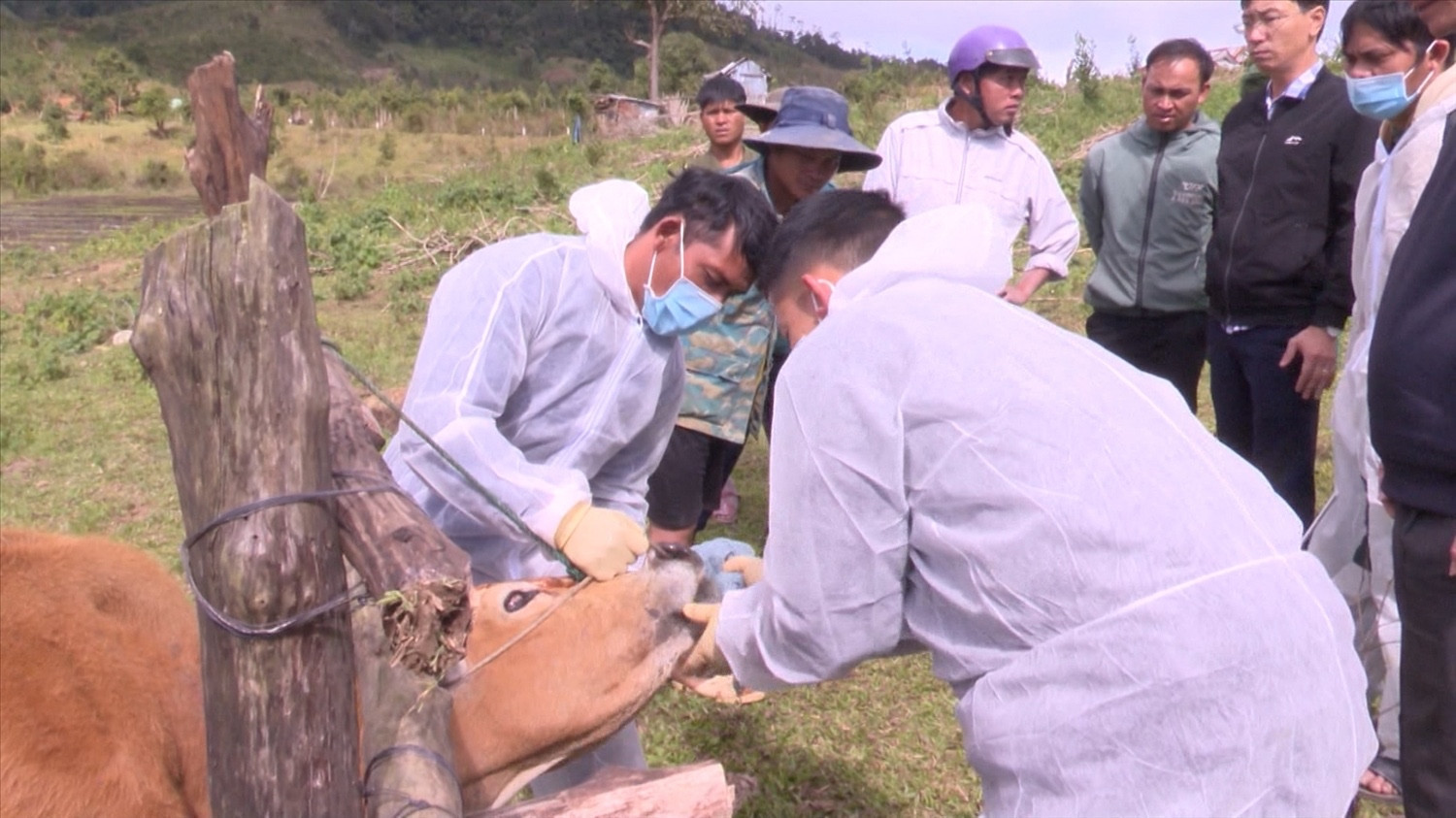
This is a highly contagious disease that spreads rapidly among cloven-hoofed animals such as cattle, pigs, goats, and sheep.
The SAT1 strain has never been recorded in Vietnam, and current vaccines used domestically do not provide protection against it. Notably, the strain is spreading quickly from Africa to the Middle East and West Asia, and has already been detected in China.
Authorities warn that the risk of the disease entering Vietnam is very high, particularly through the illegal transportation and trade of animals across borders. If an outbreak occurs, it could cause severe damage to the livestock industry.
The Department of Livestock Production and Animal Health has been tasked with developing a comprehensive response plan to address the risk of FMD intrusion.
The ministry has also directed the department to coordinate with relevant ministries, sectors, and local authorities to strengthen inspection and strictly control the import, transport, and trade of animals and animal products.
Illegal cross-border activities must be detected and handled promptly to prevent the virus from entering the country. Veterinary diagnostic and testing centers are required to prepare sufficient materials, biological reagents, and procedures to ensure early detection of the SAT1 strain.
Surveillance plans will focus on border areas, checkpoints, livestock farms, slaughterhouses, and animal markets.
The department is also responsible for outlining detailed response scenarios, handling principles, and inter-agency coordination mechanisms as part of a comprehensive preparedness strategy.
Notably, the ministry has called for research and the urgent importation of suitable vaccines, while reviewing legal regulations to expedite procedures in emergency situations.
In the long term, the Department of Science and Technology will work with research institutions and businesses to propose initiatives for developing and producing SAT1 vaccines domestically.
The goal is to gradually master the technology and ensure a proactive vaccine supply for disease prevention and control.
Vu Diep
.svg)
