 Vietnamnet.vn

 Podcast



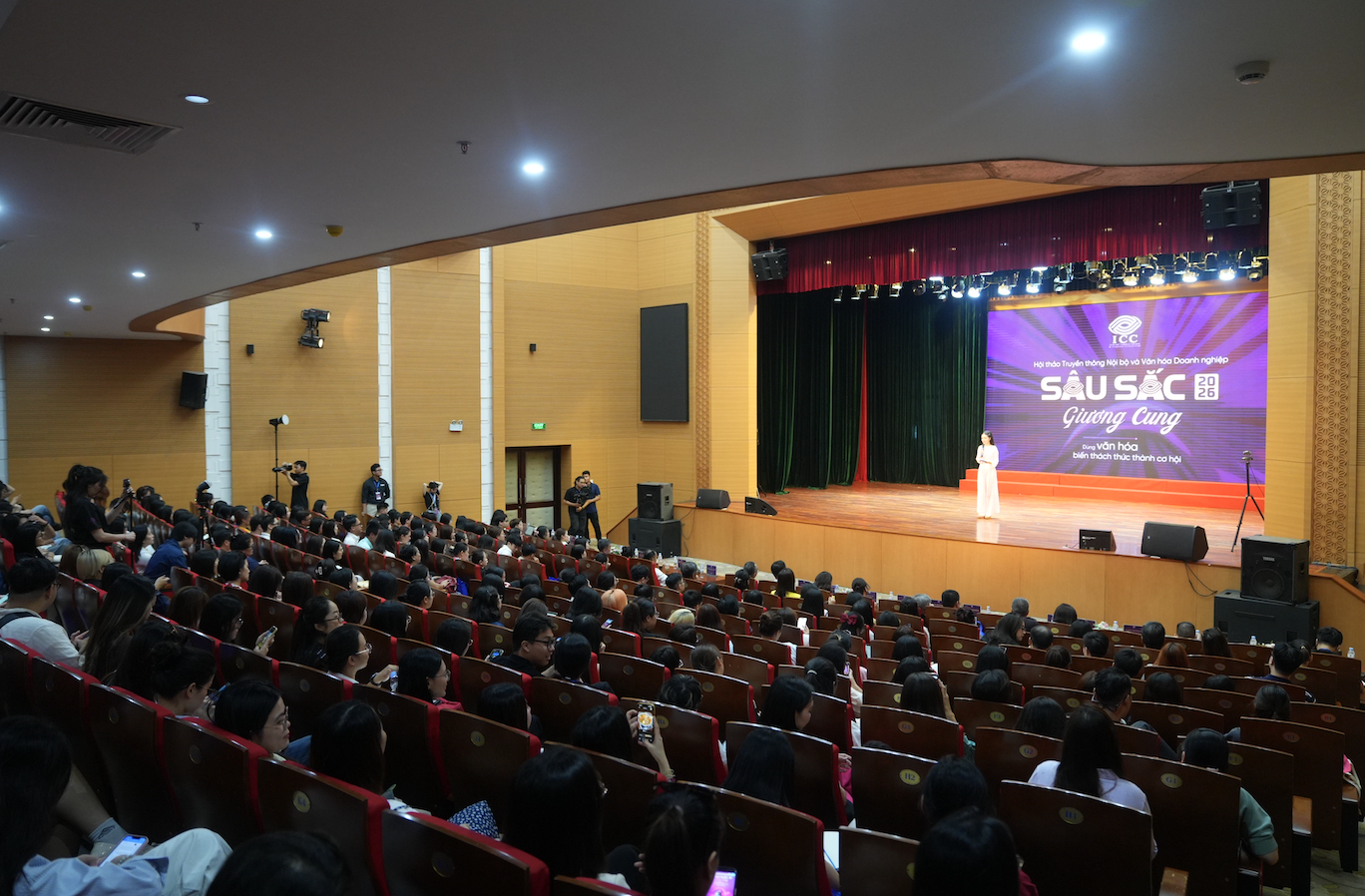
Among respondents, 51.2% found it difficult to stop thinking about work after hours, 41.2% frequently felt stressed, and 28.7% were considering resigning or looking for another job. The findings appeared in the 2026 Internal Communications and Corporate Culture (ICC) Industry Report, released on September 26 at the Sau Sac 2026 conference in Hanoi.
The survey received 211 valid responses from employees, business leaders, and internal communications and human resources professionals. Notably, 85.3% said their mental state had affected their work, while 62.8% identified workloads and deadlines as sources of pressure. These percentages reflect the group surveyed and are not representative of the entire workforce.
According to the report’s authors, mental health support cannot stop at short-term initiatives. If targets keep rising while staffing, time and employees’ authority to prioritize tasks remain unchanged, day-to-day operations will continue to generate pressure. The report recommends incorporating mental health considerations into decisions on job design, performance management and management development.
AI is speeding up work. Can people keep pace?
This question ran throughout the conference, held under the theme “Drawing the bow.” Dr. Phan Tat Thu, chairman of KNV Group, outlined a paradox: AI helps people write faster and handle more tasks, but if the time saved is used solely to raise productivity expectations, employees may become increasingly busy and face greater pressure.
He identified three risks when organizations move too quickly: a breakdown in shared memory, emotional connection and trust. Businesses may retain comprehensive records while losing the context behind them; produce polished content that lacks understanding; or speak extensively about values that employees do not see reflected in their experience. Internal communications should therefore begin with listening to what is actually happening and identifying which behaviors need to change at work. “The faster we move, the more we need one another,” Thu emphasized.
Dinh Thi Thuy, a senior executive at MISA, shared an example of changes to business operations. Previously, around 300 customer advisers served approximately 200,000 customers. The customer base has since grown to roughly 500,000, while the advisory and support team numbers about 400. Tasks such as preparing quotations, creating orders and collecting payments are gradually being automated.
According to Thuy, adopting AI involves more than providing tools and asking employees to use them. Businesses must determine which tasks AI can handle, which require human oversight, and how to redesign workflows so the two can work together. This requires digitized data, clear processes and employees with sufficient expertise to guide AI and verify its output. Leaders must also use the technology themselves and set an example for their teams.
From a psychological perspective, Associate Professor Dr. Truong Quang Lam, a lecturer at the University of Social Sciences and Humanities, Vietnam National University, Hanoi, said prolonged pressure, constant change, conflict and a sense of being unrecognized can all wear people down. When someone ties their self-worth closely to achievement, a single failure to meet expectations can lead them to question themselves.
Businesses are not responsible for diagnosing or treating employees’ psychological problems, he said. What organizations can do is create an environment where people are heard, recognize changes that warrant attention, provide initial support and connect employees with appropriate professional resources.
Tam An
.svg)
