 Vietnamnet.vn

 Podcast



The participation of Vietnam in the 61st Venice Art Biennale marks a significant milestone for the country’s contemporary art scene, as it introduces an official national pavilion for the first time at one of the world’s leading art platforms.
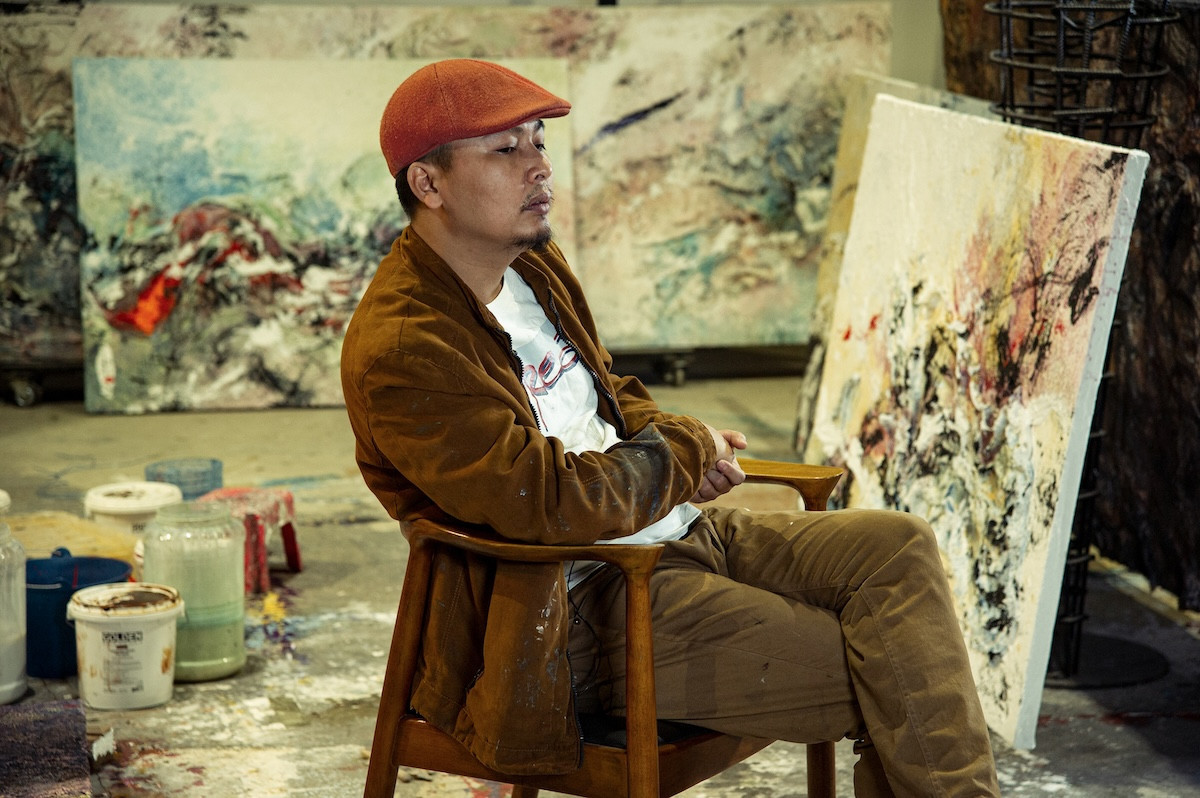
Amid this historic moment, artist Le Huu Hieu has confirmed that he will present a solo exhibition titled “Tam” (silkworm - baco da seta), becoming the only Vietnamese artist to hold an individual show at this edition of the Biennale.
Under the theme “Vietnam: Art in Global Flow,” the national pavilion is not merely a space for displaying artworks but is conceived as a cultural statement. Vietnam’s presence at the 61st Biennale reflects a proactive approach to global integration, expressing a desire to affirm its identity within the international art landscape while conveying an image of a culturally rich and open nation ready for dialogue.
Within this broader narrative, Le Huu Hieu represents a generation of artists seeking to bridge tradition with contemporary artistic language. His creative journey has not been defined by immediate recognition, but by a sustained process of research rooted in history, heritage and Vietnamese cultural materials.
Prior to this participation, he had already established an international presence, taking part in the Florence Biennale, appearing during Miami Art Fair Week, and exhibiting at Tesa 99 Arsenale Nord in Venice in 2021. In 2025, he was honored as a “Pioneering Artist in the UNESCO Heritage Journey,” acknowledging his contributions to integrating cultural heritage into contemporary art.
His solo exhibition at the Venice Biennale therefore represents not only a personal milestone, but also a foundation for future Vietnamese artists to access international art spaces in a more structured and sustainable way.
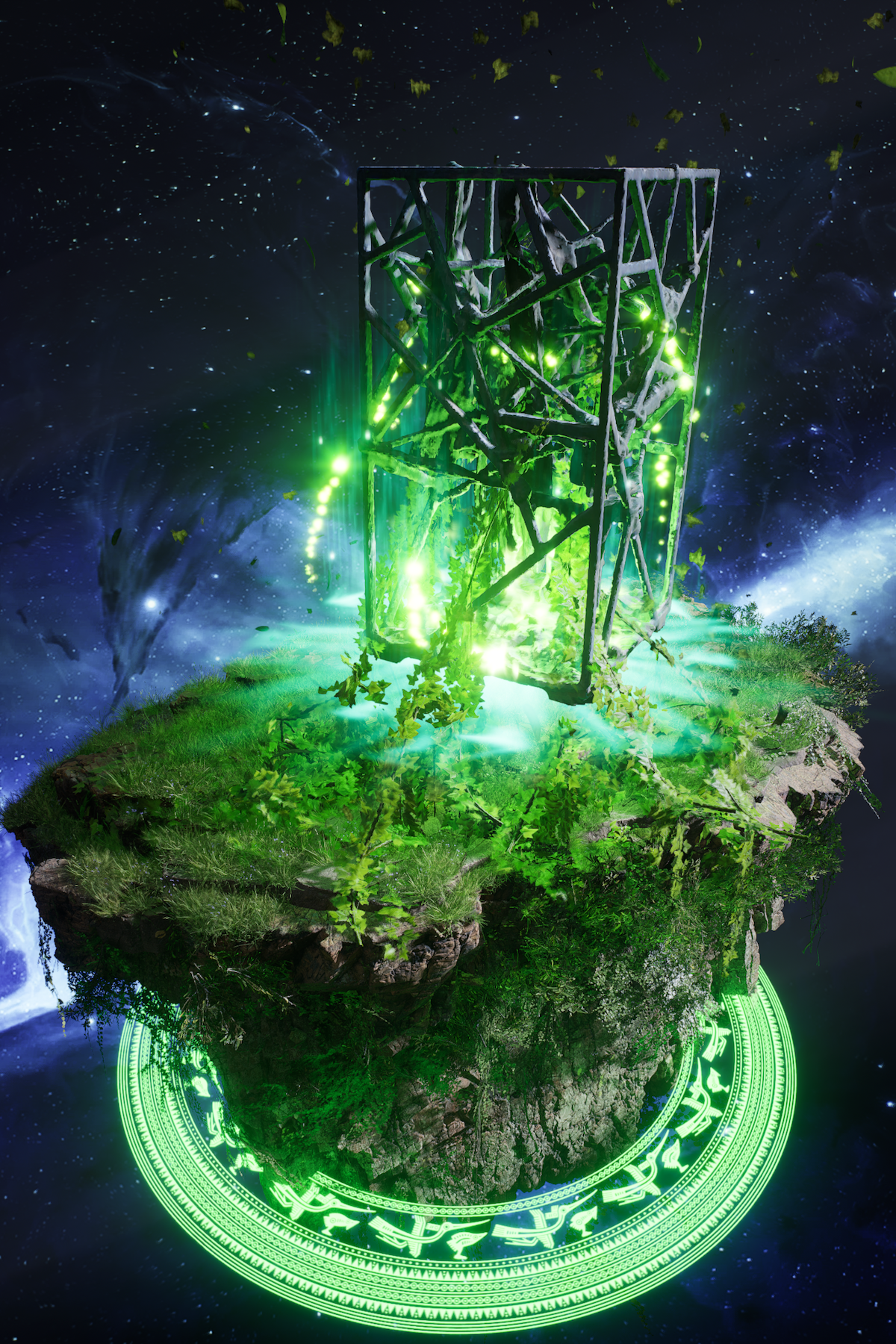
At the Vietnam pavilion, the installation “Tam” serves as the conceptual and visual centerpiece. Scheduled to run from May 9 to November 22, 2026, the work unfolds as a multi-layered artistic structure where tradition, history and contemporary life are intricately interwoven.
Rather than directly engaging with war memories, Le Huu Hieu turns his attention to everyday life and cultural practices that have shaped the spiritual fabric of the nation over centuries.
The installation is conceived as an experiential journey. Visitors move through the work in a non-linear path, passing through clusters of guardian deities, a Bagua formation, and eventually arriving at a central “House,” before concluding at a monumental lacquer painting.
A system of 12 “guardian deity” sculptures appears throughout the space, representing the five elements and forces closely tied to agricultural life.
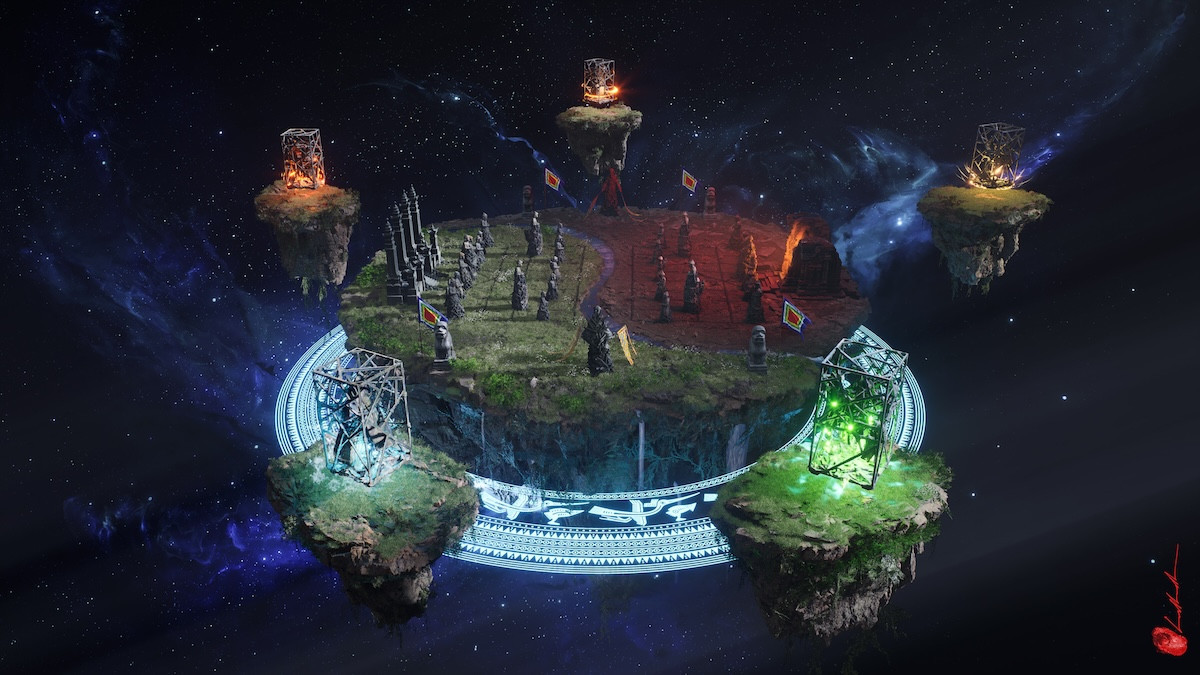
At the heart of the work lies the silkworm - a powerful metaphor. Its life cycle, from birth to growth, spinning silk, cocooning and transformation into a butterfly, becomes a reflection of human existence. It speaks to a journey of contribution, of leaving something behind for future generations before quietly departing.
Notably, the artist does not treat the silkworm merely as a symbol. Live silkworms are raised directly within the installation, transforming “Tam” into a living entity where growth, change and completion unfold continuously. In this context, art is no longer static but becomes a dynamic process - a flow of life itself.
The use of traditional materials such as jackfruit wood, silk, lacquer, gold leaf and eggshell further deepens the cultural resonance of the work. The application of the traditional “hom dat” wood treatment technique embodies a philosophy of balance between yin and yang, where opposing elements coexist in harmony.
The journey concludes with a monumental lacquer painting measuring 6.5 by 4 meters, where symbols of origin - including the image of one hundred eggs from the Au Co legend - are reinterpreted through eggshell material. This is not merely a material choice, but a metaphor for creation, dissolution and rebirth - an endless cycle aligned with the five elements: Wood, Fire, Earth, Metal and Water.
Through “Tam,” Le Huu Hieu presents not just an artwork, but a living narrative - one that situates Vietnamese cultural identity within the broader currents of global contemporary art.
Huyen My
.svg)
