 Vietnamnet.vn

 Podcast



After nearly eight years pursuing the goal of building a genomic map of the Vietnamese population, a research team led by Prof. Vu Ha Van and Dr. Vo Sy Nam has published its first findings in Nature Communications, one of the world’s leading scientific journals.
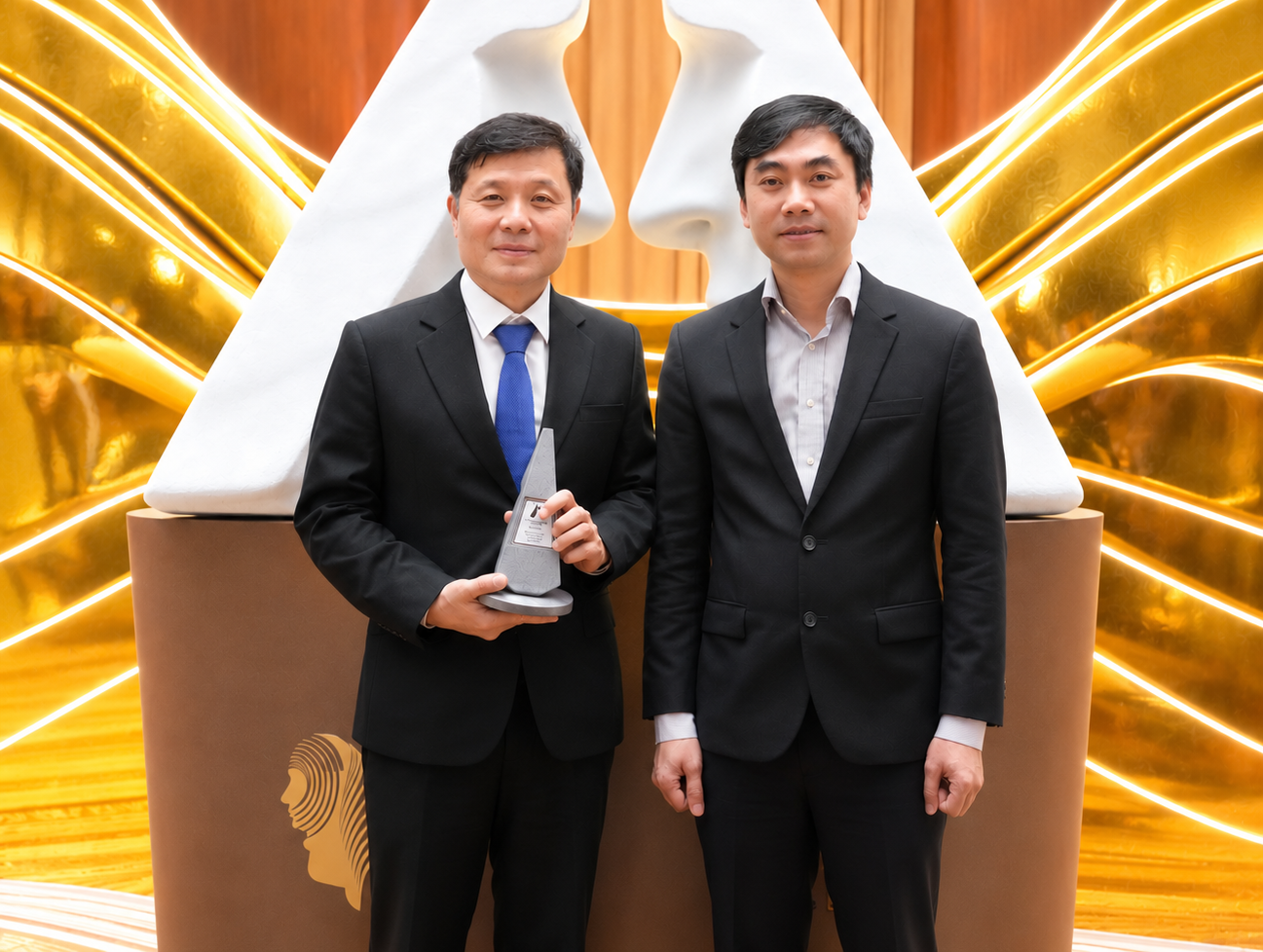
On July 22, the paper, “VN1K is a pangenome-informed multi-omics and phenomics resource for the Vietnamese population,” by a team of Vietnamese scientists was published in Nature Communications, a highly regarded Q1 scientific journal. The paper introduces a large-scale genomic resource integrated with demographic and health data from the Vietnamese population.
Based on the analysis of genetic samples from 1,011 Vietnamese people originating from 53 of the country’s 63 provinces and cities under the administrative boundaries in place when the samples were collected, VN1K identified more than 42 million genetic variants. Of these, around 8.5 million had not previously appeared in widely used international databases.
Using this dataset, the researchers successfully developed the VPR, or Vietnamese PanGenome Reference, Vietnam’s first large-scale population reference genome, helping improve the accuracy of genetic variant analysis and interpretation.
The two principal corresponding authors of the study are Prof. Vu Ha Van and Dr. Vo Sy Nam, both affiliated with the VinBigdata Institute at VinUniversity. Prof. Van is also a professor at the University of Hong Kong.
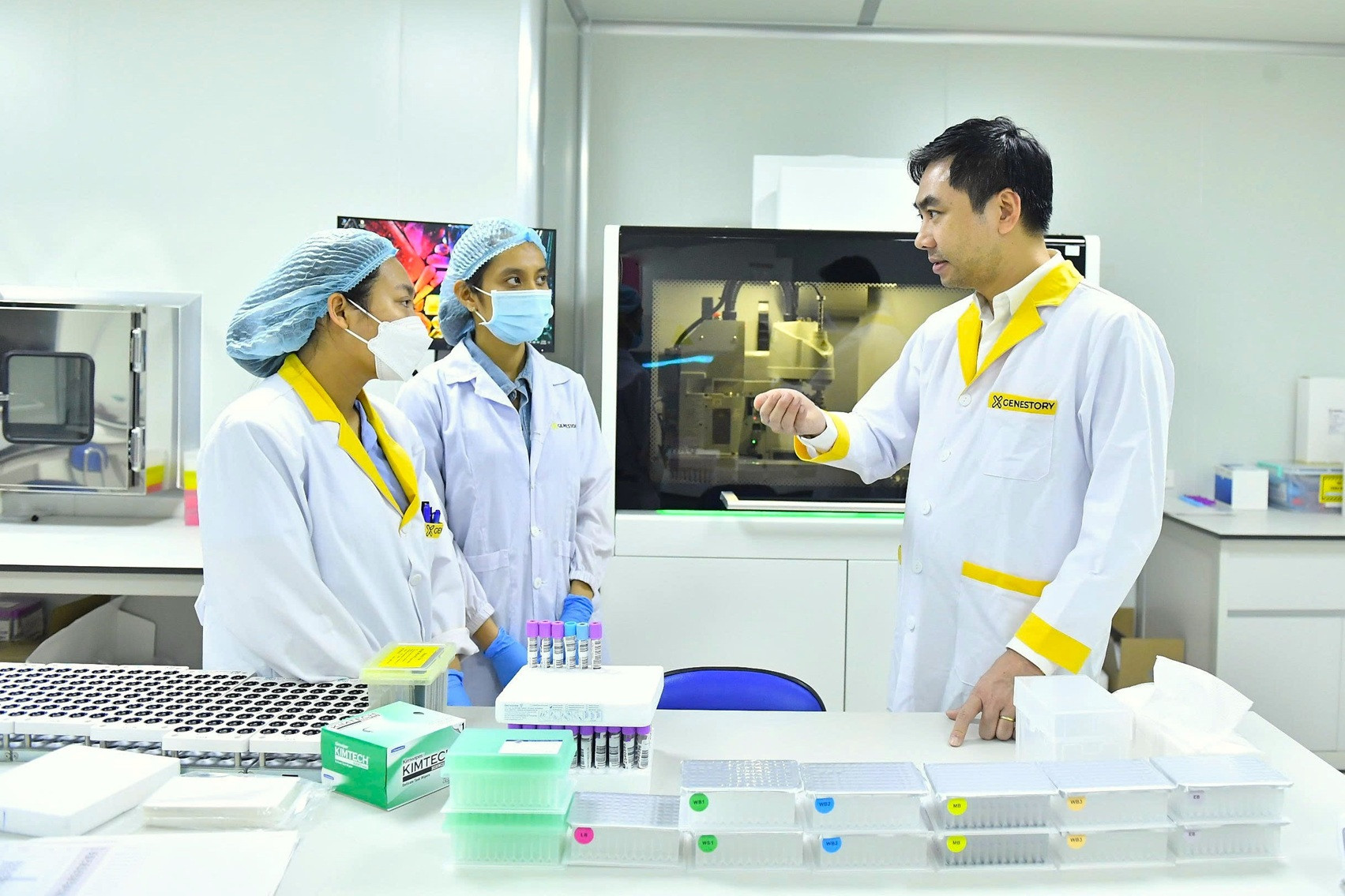
The project also involved a number of experienced scientists, including Assoc. Prof. Le Duc Hau of Hanoi University of Science and Technology; Assoc. Prof. Nguyen Thuy Duong of the Vietnam Academy of Science and Technology; Assoc. Prof. Le Thi Ly of Vietnam National University-Ho Chi Minh City; Prof. Le Sy Vinh of Vietnam National University-Hanoi; Prof. Nguyen Thanh Liem of the Vinmec Healthcare System; Prof. Tran Huy Thinh of Hanoi Medical University; Assoc. Prof. Nguyen Hoang Quan of the University of Queensland in Australia; and Assoc. Prof. Luu Nguyen Hung of Cornell University in the United States.
Speaking with VietNamNet, Prof. Vu Ha Van said VN1K originated from the “Decoding 1,000 Vietnamese Genomes” project, which he initiated in late 2018 at Vingroup’s VinBigdata Institute, now part of VinUniversity.
“The paper identified more than 42 million genetic variants, including around 8.5 million that had never appeared in widely used international databases. This is the study’s main finding and also its key novelty,” Prof. Van said.
Prof. Van said the research has significant potential for healthcare applications, particularly in personalized medicine. The same drug can affect people differently, he explained, and may even cause adverse reactions in some individuals. Genetic testing kits could allow doctors to determine how compatible a particular drug is with each patient and select a more appropriate treatment.
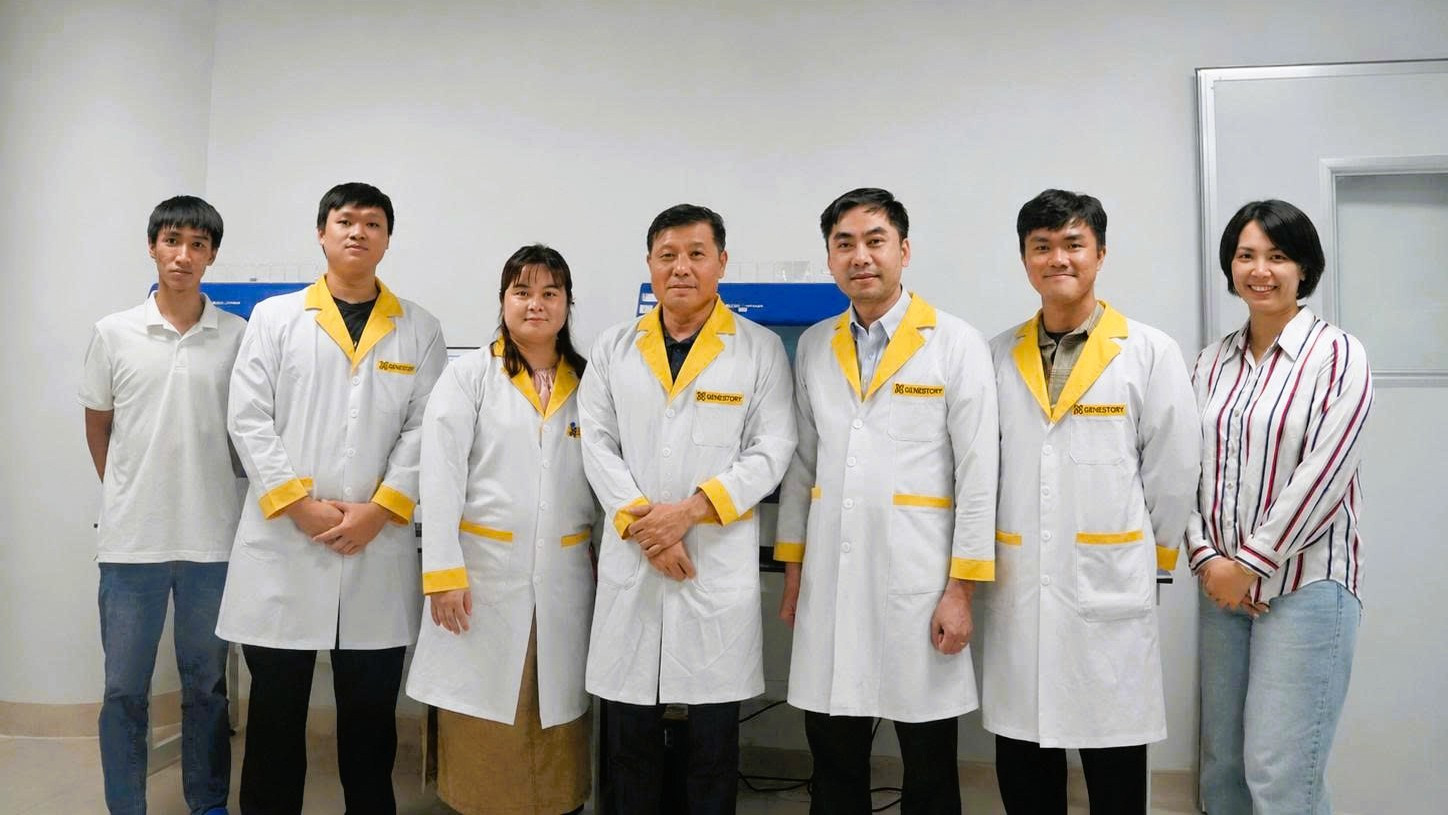
Genetic testing kits are already available around the world, but most have been developed primarily around the genetic characteristics of European and American populations. As a result, their use for Vietnamese people may not always be fully accurate. The research team aims to develop genetic testing kits specifically for the Vietnamese population, helping identify suitable medicines and treatment approaches while also providing information on the risks of certain diseases and lifestyle choices suited to each person’s genetic profile.
Prof. Van said that following the publication, the team will continue searching for additional genetic variants to expand the database and develop applications for Vietnamese people, including genetic testing kits and disease prevention tools.
According to Prof. Van, beyond its potential applications in healthcare and public health in Vietnam, the research also carries academic value by identifying numerous previously undocumented genetic variants and creating a data resource for international research.
He said that since the database was completed around three years ago, more than 10 universities and research organizations worldwide have signed cooperation agreements with the team, including the Golden Helix Foundation in the UK, Johns Hopkins University and the University of Chicago in the US, Stockholm University in Sweden, and the University of Queensland in Australia.
The research is also regarded as foundational data infrastructure for a range of biomedical applications, from pharmacogenomics to preventive and personalized medicine.
Findings from VN1K have also laid the groundwork for VinGenChip, a technology currently being tested as part of a 500-day campaign to locate, recover and identify the remains of fallen Vietnamese soldiers whose identities are still unknown using DNA analysis.
Thanh Hung
.svg)
