 Vietnamnet.vn

 Podcast



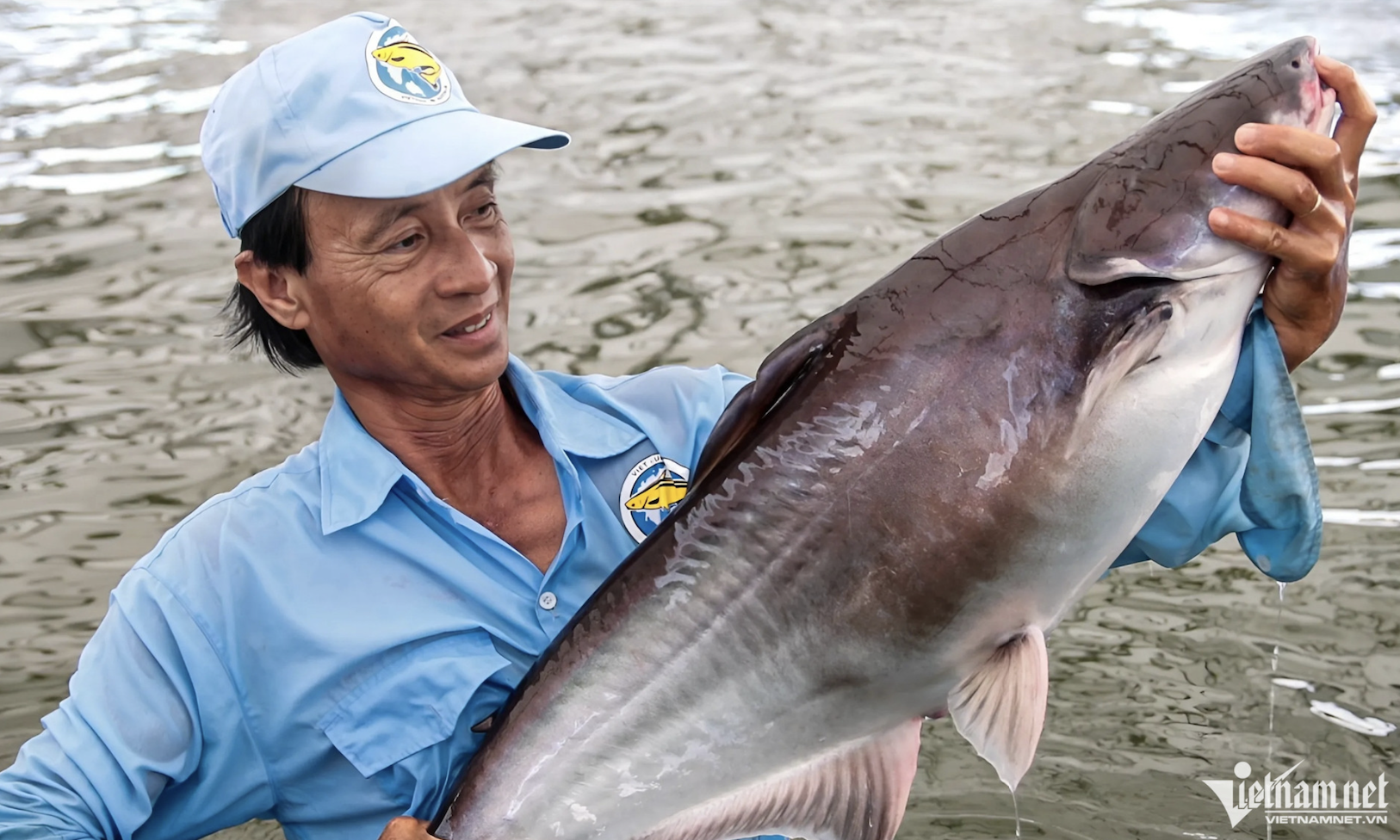
Citing Japanese seafood newspaper Minato Shimbun, the Vietnam Association of Seafood Exporters and Producers (VASEP) said seafood group Kyokuyo held a trade fair in Osaka on September 11, showcasing around 500 seafood and processed food products to some 760 customers and business partners.
Among the products presented, Kyokuyo highlighted pangasius as a relatively affordable seafood option with a stable supply. These advantages have become increasingly important in Japan as prices of many traditional seafood products rise and supplies of wild-caught species become less predictable.
Kyokuyo had also highlighted pangasius at the Japan International Seafood & Technology Expo in Tokyo in mid-August, offering tastings and product demonstrations to potential commercial customers.
Vietnamese pangasius is one of the country’s major seafood exports.
Kyokuyo already distributes Vietnamese pangasius through Japan’s professional food supply network. One product is skinless, boneless frozen pangasius fillet processed in Vietnam and suitable for Japanese, Western and Chinese dishes.
Le Hang, deputy secretary-general of VASEP, said this was a sign that Vietnamese pangasius was gradually meeting the requirements of one of the world’s most demanding markets for food and seafood.
Rather than being viewed simply as a low-cost whitefish, pangasius has an opportunity to position itself as a competitively priced, consistent and versatile ingredient that can be supplied year-round.
A further milestone came in late 2025, when Vietnamese pangasius was added to the menu of Kura Sushi, one of Japan’s largest conveyor-belt sushi chains, with more than 550 restaurants.
The move marked the first time Vietnamese pangasius had officially appeared on the chain’s menu, reflecting the fish’s growing acceptance in a market known for stringent standards on quality, presentation and food safety.
Vietnam Customs data show that pangasius exports to Japan reached $36.31 million in the first eight months of 2026, up 20.8% from a year earlier. August exports alone reached $5.47 million, up 23.7%.
“The scale remains small compared with Vietnam’s major pangasius markets, but growth of more than 20% shows that demand in Japan is improving noticeably,” Hang said.
She said growing interest from major importers and distributors could create further opportunities for pangasius in retail, food services and convenient processed products.
Japan, however, maintains strict requirements for quality, consistency, food safety, product specifications and supply-chain reliability, Hang noted.
Future growth will therefore depend not only on price competitiveness but also on Vietnamese producers’ ability to develop products suited to Japanese tastes and distribution channels.
The growing presence of pangasius in the product portfolios and menus of major Japanese seafood and food-service companies is opening further opportunities for Vietnam, particularly in processed, convenient and value-added products.
Tam An
.svg)
