 Vietnamnet.vn

 Podcast


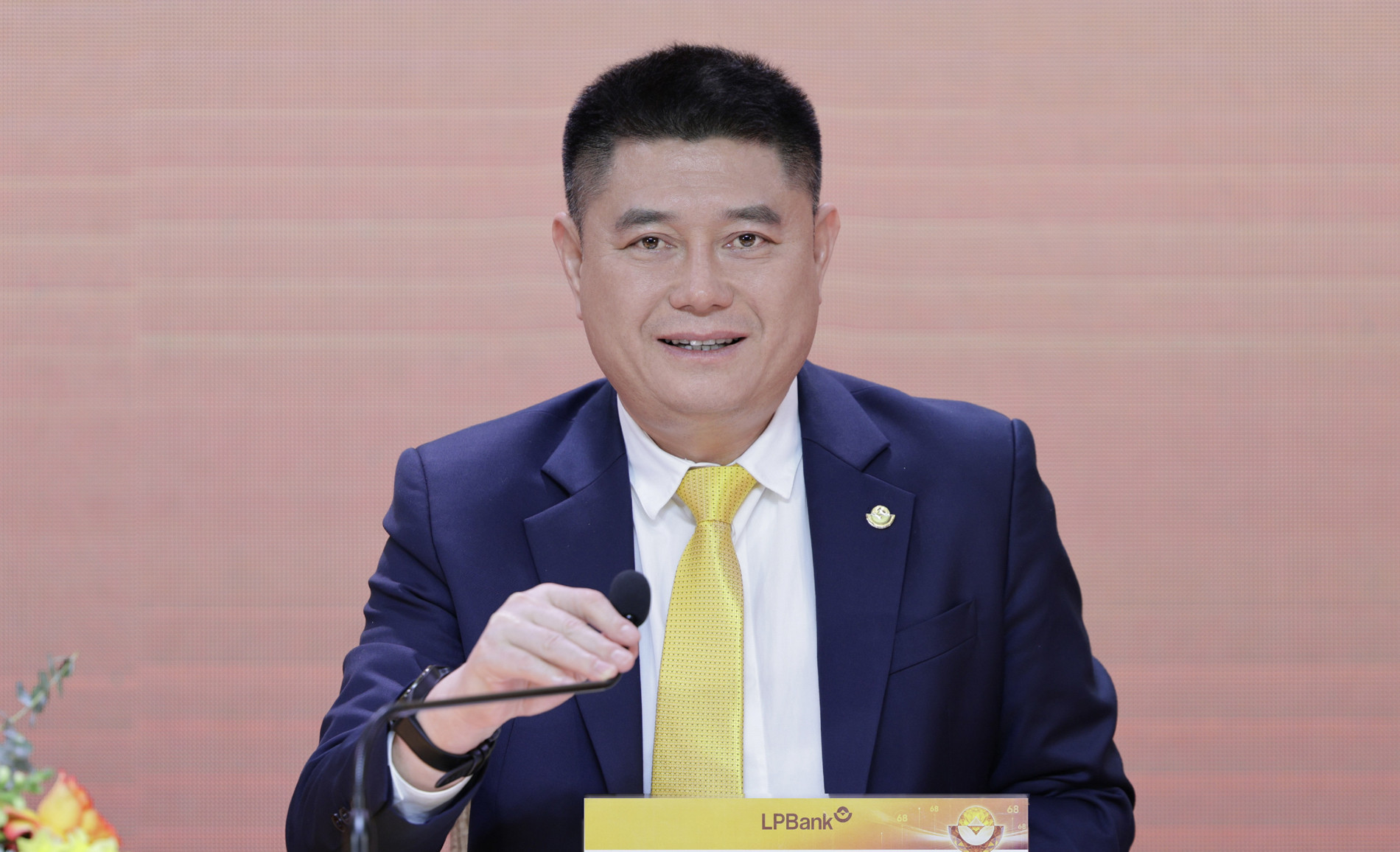
"When I decided to run, I understood that I had a responsibility to prepare a feasible program, bring together capable people to implement it and remain accountable to the federation's members," he said.
"My action plan will remain aligned with the Party and State's policies and strategic direction for sports development, as well as the guidance of relevant state authorities, particularly the Ministry of Culture, Sports and Tourism.
"On that basis, I hope to work with the VFF leadership to turn these directions into achievable objectives and practical solutions, mobilize resources and build consensus to advance Vietnamese football."
Thuy revealed that he regularly discusses football development strategies with billionaire Pham Nhat Vuong and has received substantial support and a commitment to cooperation from Vuong's business group.
He also said he has the backing of two other prominent football investors, Bau Hien and Bau Duc.
Under his proposed action plan, beginning in 2027, the VFF would seek to generate VND600 billion to VND1 trillion (approximately $23 million to $38 million) annually through private-sector funding, sponsorships, corporate partnerships, commercial rights, digital content and football-related services.
All funds raised would be managed, allocated and spent for their intended purposes, with transparency and efficiency as guiding principles. Financial accounts would be audited by one of the Big Four international accounting firms and subject to oversight by federation members.
"We want to expand international cooperation so that leading football clubs from around the world can regularly visit Vietnam for matches, exchanges and training programs," Thuy said.
"We also want to explore opportunities to host continental and international tournaments that match Vietnam's organizational capacity and infrastructure standards. Every partnership should give our players more opportunities to compete at a higher level, strengthen the capabilities of domestic football professionals, bring world-class football closer to Vietnamese fans and create new opportunities for the sports economy."
Thuy also pledged to make the VFF financially self-sufficient in its operations and development activities.
"From 2027, I commit to covering 100% of the operating and football development costs under the VFF's responsibility through private-sector funding and self-generated revenue, without relying on the state budget," he said.
"We will work with the Ministry of Culture, Sports and Tourism and the Vietnam Sports Authority to propose redirecting the annual state allocation for relevant football activities, estimated at around VND80 billion ($3 million), toward other sports that need greater support, particularly those with medal prospects at the Asian Games and Olympics."
At the domestic club level, Thuy's program proposes providing annual financial assistance to eligible local football federations and professional clubs from 2027.
Each qualifying provincial or municipal football federation could receive VND2 billion to VND3 billion ($76,000 to $114,000) annually.
The proposed support packages would also include VND3 billion ($114,000) for each V-League club, VND2 billion ($76,000) for each second-tier First Division club and VND2 billion ($76,000) for each women's football club.
Thuy also outlined plans to examine an expansion of Vietnam's professional football competitions.
"From 2027, I want the VFF to work with the Vietnam Professional Football Joint Stock Company (VPF), clubs and specialists to study the most appropriate league structures, including the possibility of expanding the V-League to 16-18 teams and the First Division to 18-20 teams," he said.
"These proposals would require careful assessment of the number of clubs meeting professional standards, financial resources, player quality, stadium infrastructure, competition schedules and the interests of federation members before any decisions are made by the relevant authorities."
Beyond financial reform and competition restructuring, Thuy emphasized his ambition to strengthen Vietnam's standing in international football through tangible achievements rather than symbolic recognition.
"I want to elevate Vietnam's position through genuine capability and meaningful contributions," he said.
"If elected, I will work with the executive committee to publicly disclose our objectives, implementation timelines and results so that federation members can monitor our progress. Whenever there are delays, we must clearly explain the reasons, identify responsibilities and determine corrective measures."
Looking ahead to the end of the four-year term, Thuy said his priorities would be stronger clubs, better working conditions for football professionals, improved youth development and more competitive national teams.
"By the end of the term, I hope our clubs will be more resilient, football professionals will receive better support, youth training will have improved and our national teams will be better equipped to compete," he said.
"The legacy must be a financially sustainable foundation, a highly capable workforce and generations of well-prepared players, enabling Vietnamese football to progress on the strength of its own abilities."
Dai Nam

