 Vietnamnet.vn

 Podcast



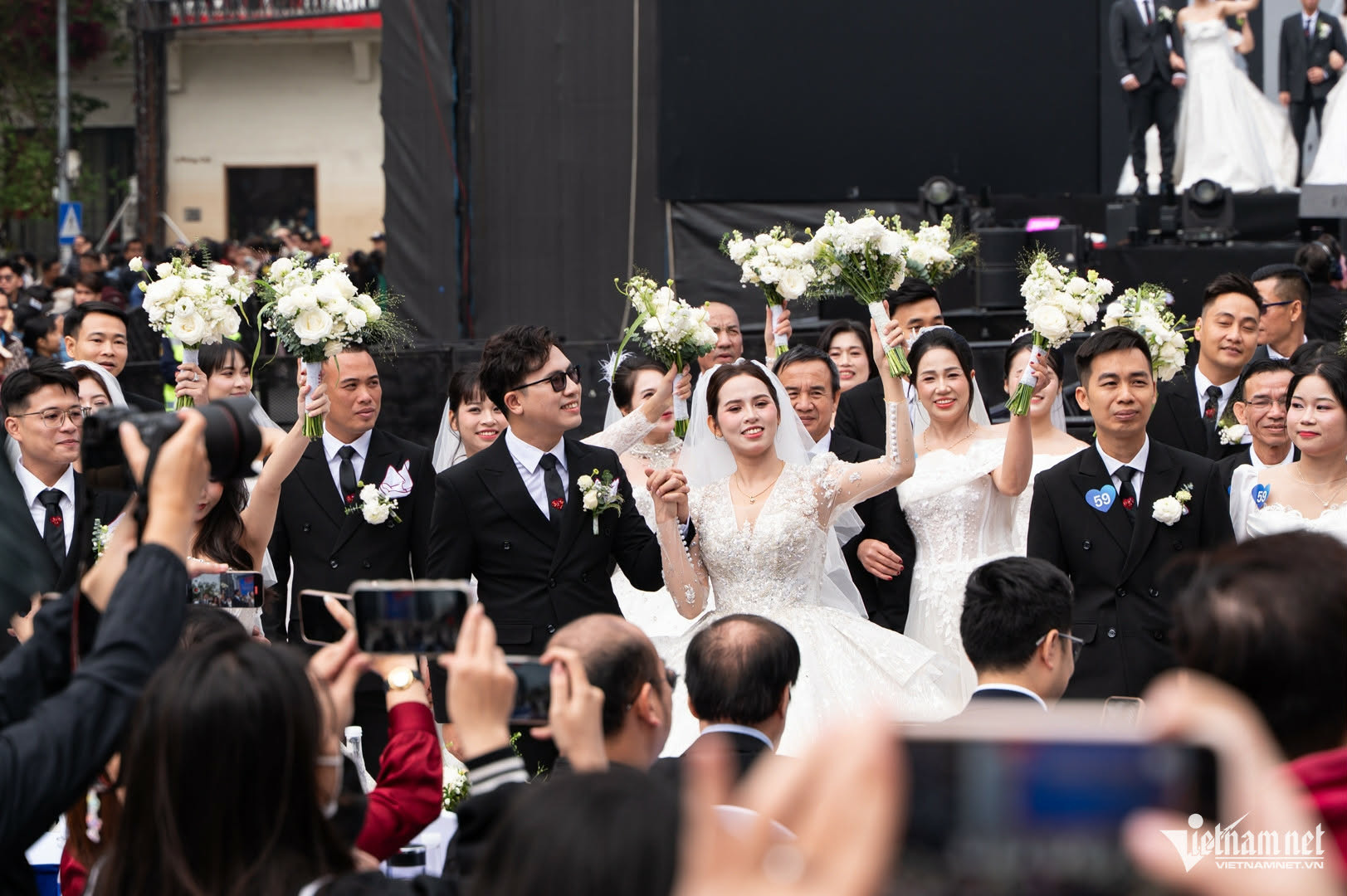
At the World Population Day event on July 11, Deputy Minister of Health Do Xuan Tuyen stated that late marriage, having fewer children, or choosing childlessness are becoming increasingly common among young Vietnamese. The average age at first marriage in Vietnam has reached 27.3.
The 2024 Intercensal Population and Housing Survey found that the average age at first marriage among Vietnamese has risen sharply compared to 5 to 10 years ago. This trend is evident across almost all localities, particularly in fast-growing urban centers, reflecting a distinct shift in how the younger generation views marriage.
While being single at over 30 used to invite family pressure and constant questions like "When are you getting married?", it is now gradually becoming normalized. Many young adults choose long-term dating without getting married, actively delay marriage, or simply enjoy living single.
Single but not lonely
Having been together for over five years, Minh, 35 (from Hanoi), and Lan, 31 (both currently living in HCMC), still have no plans for a wedding. Both have stable careers, a strong bond, and support from both families, yet marriage is not a current priority.
"We still want to enjoy our freedom and focus more on our careers. Dating and supporting each other doesn't mean we have to get married right away," Lan shared.
For Linh, 30 (Binh Thanh District, HCMC), choosing "happy singlehood" stems from a desire to live more for herself. After earning two bachelor's degrees and a master's degree in economics by age 27, she wanted time to explore herself before stepping into family life.
"I've only had three years to truly pursue what I enjoy. If I start a family too early, I fear I'll be tied down by the responsibilities of being a wife and mother," she said.
For Hoai, a young business owner, marriage and singlehood are simply different paths to happiness. "Single, but not lonely or isolated," said Hoai, who at 32 has yet to think about committing her life to anyone.
In reality, the mindset of "I'm living happily, so why marry?" is appearing more frequently among young people.
Average age at first marriage rises rapidly for men and women
The 2024 Intercensal Population and Housing Survey shows that the average age at first marriage for Vietnamese is currently 27.3. After just five years, compared to 2019, Vietnamese have delayed marriage by more than two years.
For men, the average age at first marriage rose from 26.8 in 2014 to 27.2 in 2019, before jumping to 29.4 in 2024. The Southeast region recorded the highest marriage age for men nationwide, averaging 30.7 years.
Women registered a similar trajectory: rising from 22.9 in 2014 to 23.1 in 2019, and reaching 25.2 in 2024.
The urban-rural gap is growing clearer. Urban young men marry at an average age of 30.3, 1.5 years later than those in rural areas; urban women marry at an average age of 26.8, which is 2.7 years higher.
Notably, HCMC has the highest average age at first marriage nationwide at 30.4 years, up nearly three years from 2019. Men in this area delay marriage until past 31.
Education levels also correlate strongly with marital timing. High school graduates marry noticeably later, with an average age of around 28 years, and nearly 30 years for men. Female high school graduates have an average age at first marriage of 26.2 years, nearly four years higher than the other three educational tiers (less than primary education, completed primary, and secondary school).
Young people value quality of life and lifestyle choice
The trend toward late marriage reflects deep shifts in living conditions and value systems among young Vietnamese. Dr. Pham Vu Hoang, Deputy Director General of the Population Authority under the Ministry of Health, noted that many Vietnamese prefer enjoying life, leading them to marry late and opt out of having children.
According to Hoang, higher educational attainment, rapid urbanization, and increasingly diverse career opportunities motivate many individuals to prioritize self-development and life experiences before settling down.
Young people today no longer view marrying at a traditional age as a benchmark of maturity or success. They want to determine the right time for marriage based on their personal circumstances and desires, placing high value on quality of life and the autonomy to choose their lifestyle.
Sociological researchers also point out that the rising number of highly educated women entering the workforce and achieving financial independence gives them greater autonomy in deciding when to marry.
Vo Thu
.svg)
