 Vietnamnet.vn

 Podcast



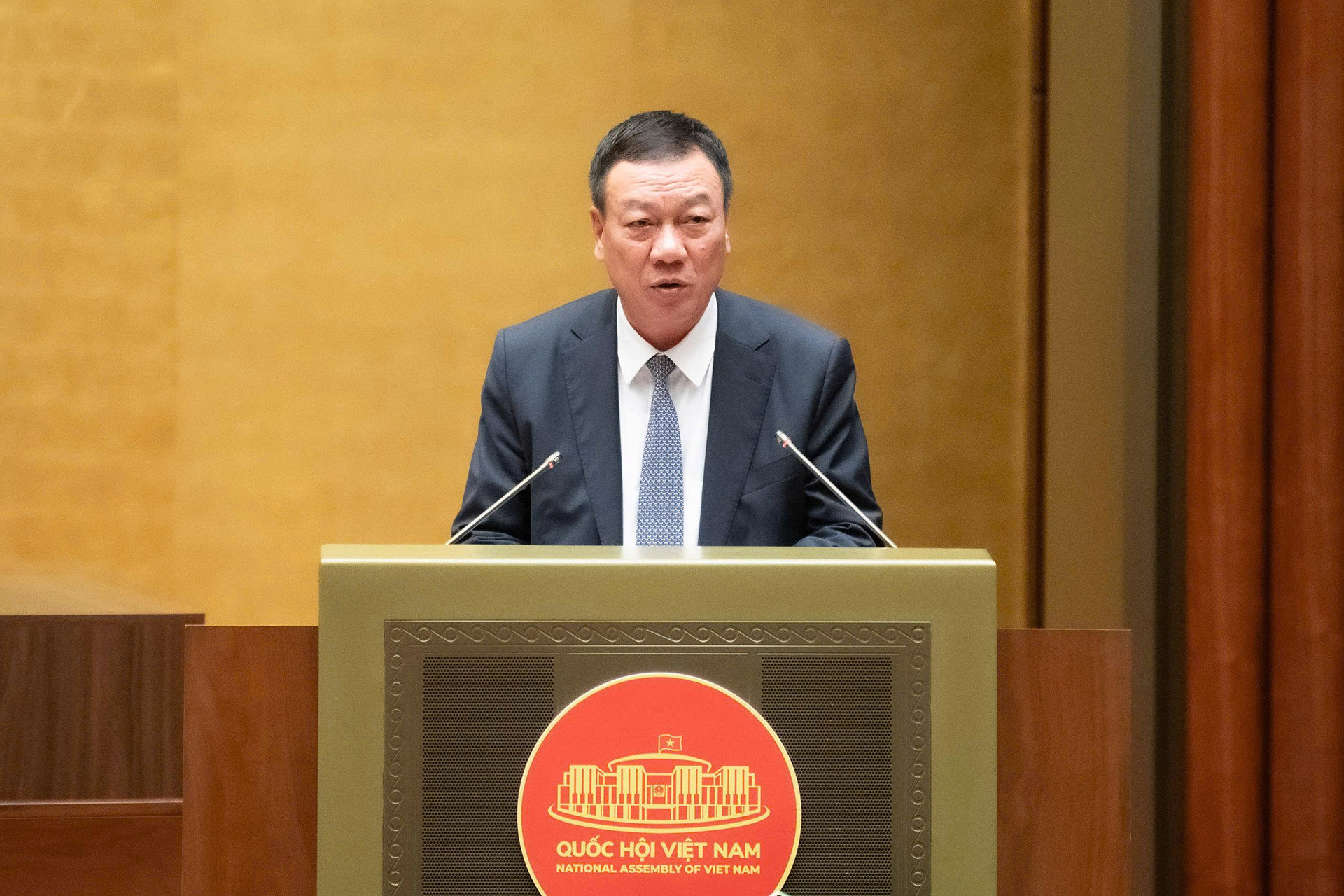
The amended law mandates asset declarations covering land-use rights, houses, structures and other real estate; precious metals and gems; cash and negotiable instruments; and any other individual asset valued at or above the 150 million VND threshold.
It also requires disclosure of foreign assets and accounts, as well as total income between declaration periods.
Previously, the minimum declaration threshold was 50 million VND (around USD 2,000), meaning the new law significantly raises the bar while simultaneously tightening oversight.
Three types of declarations are now subject to the new threshold: initial declaration, annual declaration, and declarations made for personnel purposes.
In addition, annual supplemental declarations must now be submitted for any changes in asset value exceeding 1 billion VND (USD 40,000), up from the previous 300 million VND.
These supplemental reports must be filed no later than December 31 of the year in which the change occurred.
Asset monitoring agencies will track changes by analyzing submitted declarations or cross-referencing with other data sources.
If an individual required to file declarations is found to have experienced a significant income or asset increase of 1 billion VND or more without disclosure, the oversight agency may compel them to supplement their report and provide documentation proving the origin of those funds or assets.
According to Government Inspector General Doan Hong Phong, the government will define detailed enforcement procedures in forthcoming decrees.
Disclosure linked to job performance
An official’s ability to justify newly acquired assets will be used as one of the criteria for evaluating their performance and integrity.
Verification of declared information and annual inspection plans will be conducted based on government-defined criteria and plans approved by relevant oversight bodies.
Expanded list of oversight agencies
The revised law also adds new institutions authorized to monitor asset declarations, including:
The Party’s Central Inspection Commission: Responsible for overseeing disclosures made by Party members under its jurisdiction, including those working in advisory roles.
The Government Inspectorate: Monitors officials at the deputy department level or higher within ministries and central agencies, as well as top executives at state-owned enterprises (CEOs, CFOs, Board members, chief accountants, etc.).
Ministries and government bodies: Responsible for overseeing assets of officials working under their own authority, excluding those monitored by the Government Inspectorate or Party inspection bodies.
The Office of the National Assembly: Covers declarations from personnel within the National Assembly and its associated institutions, unless they fall under Party supervision.
The Supreme People's Court, Supreme People’s Procuracy, State Audit Office, and Office of the President
Each manages disclosures from individuals within their respective jurisdictions, again except for those under the Party's inspection bodies.
The Vietnam Fatherland Front Central Committee: Oversees disclosures from individuals working in socio-political organizations at the central level.
Provincial-level Inspectorates: Monitor asset declarations from officials under local government management, including those representing state capital in enterprises.
If any case falls outside of these defined categories, the government will issue further guidance on which agency holds jurisdiction.
More access and accountability at grassroots level
Also passed today were amendments to the Laws on Citizen Reception, Complaints, and Denunciations, which will take effect from July 1, 2026.
These laws affirm the right and obligation of citizens to submit complaints, petitions, and denunciations, while outlining procedures and identity verification requirements at reception points.
One notable change: commune-level People’s Committee chairpersons must now receive citizens in person at least twice per month, and be available for ad hoc sessions in urgent cases.
Tran Thuong
.svg)
