 Vietnamnet.vn

 Podcast



Vietnam’s higher education system currently employs nearly 94,000 university lecturers, but only a modest portion of them hold academic titles or doctoral degrees - a shortfall that experts warn could limit the country’s educational progress on the global stage.
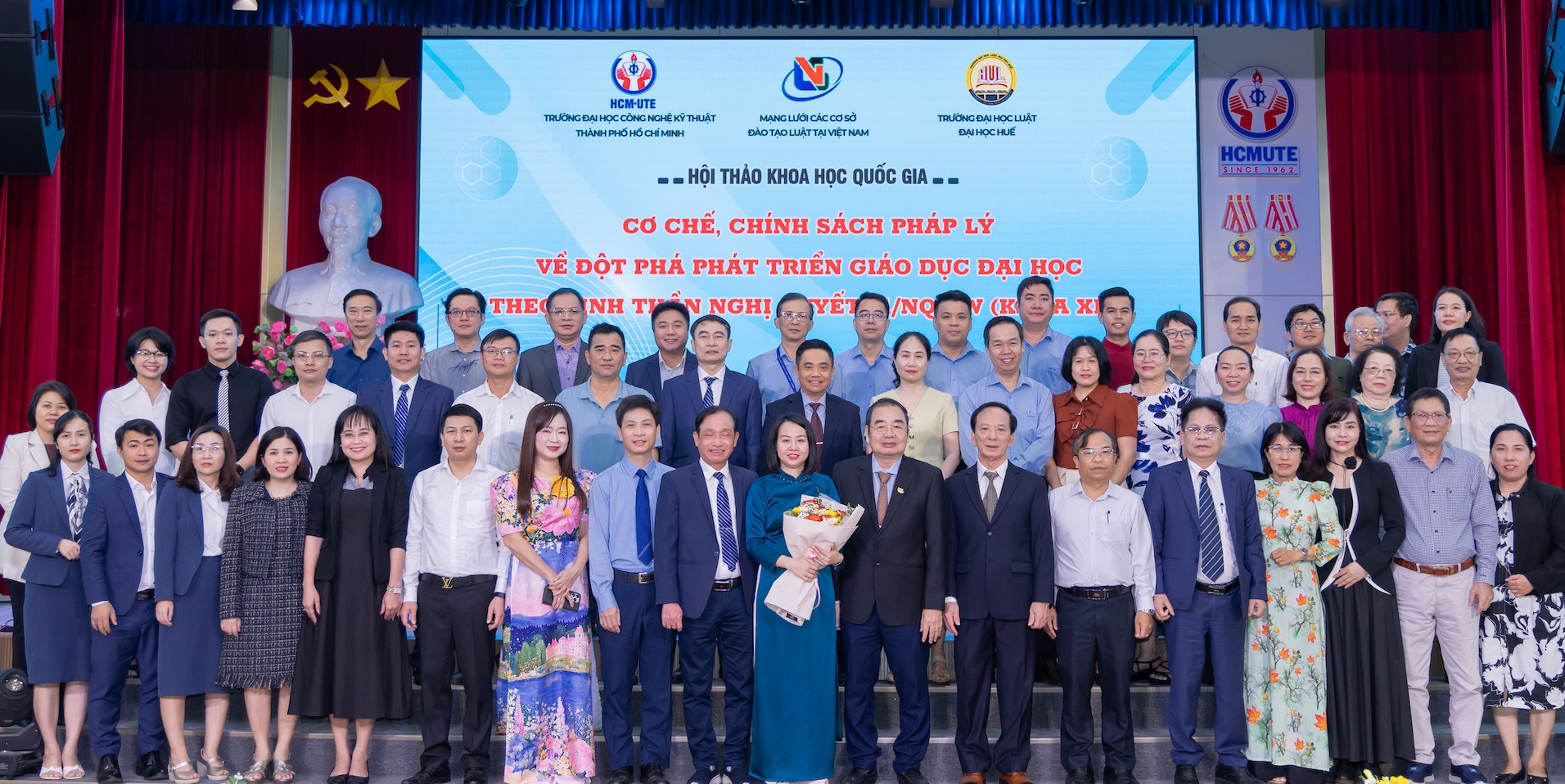
This concern was highlighted by Dr. Nguyen Thi Tuy (University of Finance and Marketing) and M.A. Le Duong Thuy Huong (Dong Nai College of Technology) during a recent national conference on legal and policy mechanisms for advancing higher education, organized by Ho Chi Minh City University of Technology and Education in collaboration with the Vietnam Law Schools Network and Hue University of Law.
Surging numbers, but uneven qualifications
Compared to 2022, when Vietnam had 86,048 lecturers, the country’s academic workforce grew by 7,906 by 2025 - a notable expansion. Particularly striking is the 25% rise in PhD-level faculty, from 21,170 in 2022 to 26,528 in 2025.
The number of professors and associate professors also increased, from 6,091 to 6,976 during the same period. However, lecturers with a master’s degree remain the majority at 54,067, forming the backbone of the teaching force.
Meanwhile, the number of lecturers holding only a bachelor’s degree fell significantly from 6,175 to 4,690, signaling an encouraging trend toward reducing underqualified teaching staff.
Still lagging behind global benchmarks
Despite these gains, Dr. Tuy noted that the proportion of PhDs and professorial staff remains far below what is considered standard in international higher education systems.
Under Circular 01/2024/TT-BGDDT, by 2025, universities without doctoral programs must ensure at least 20% of their teaching staff hold a PhD, rising to 30% by 2030. Institutions that offer doctoral training must reach 40% by 2025 and aim for 50% after 2030.
While these are critical benchmarks, meeting them poses significant challenges - especially for newer, non-public, or rural institutions that often lack the research infrastructure or incentive structures to attract high-level faculty.
Vietnam’s top-tier universities have made progress by proactively recruiting PhDs, international scholars, and overseas Vietnamese experts, enhancing their research capabilities and postgraduate programs. In contrast, smaller or more remote institutions continue to struggle with hiring and retaining well-qualified staff. This disparity has resulted in growing gaps in research output, teaching quality, and international engagement across the sector.
Digital competency still limited
In the context of Vietnam’s push toward digital transformation, digital fluency among lecturers is becoming increasingly critical. Yet, many faculty members remain limited in their use of technology, relying primarily on basic tools without integrating digital pedagogy or leveraging modern platforms for teaching and research.
This digital divide across universities suggests that the current digital transformation has focused largely on technical infrastructure, rather than embedding digital thinking into pedagogical practice or academic performance.
A call for policy reform: pay by merit, not seniority
Dr. Tuy emphasized that to fully implement the vision set out in Resolution 71-NQ/TW, Vietnam needs a more comprehensive policy framework that integrates academic standards, digital capabilities, research conditions, and regional differences in compensation and resources.
She and her co-author proposed a roadmap for developing high-quality faculty in the era of digital transformation. At the heart of this strategy is the standardization of digital competencies for university lecturers - which currently lack a consistent national evaluation framework.
They called for the establishment of a standardized digital competency framework that would serve as a guide for training, evaluation, and professional development across the country.
Alongside digital upskilling, universities should strengthen scientific research and innovation, encouraging faculty to publish internationally and apply research findings to real-world problems.
Another key recommendation: reforming recruitment and compensation mechanisms to be more transparent, competitive, and performance-based. Rather than relying on seniority, institutions should tie rewards and career advancement to teaching outcomes and research contributions.
International collaboration, faculty exchange, and participation in global academic networks were also identified as essential strategies to boost Vietnam’s higher education profile and global competitiveness.
Le Huyen
.svg)
