 Vietnamnet.vn

 Podcast



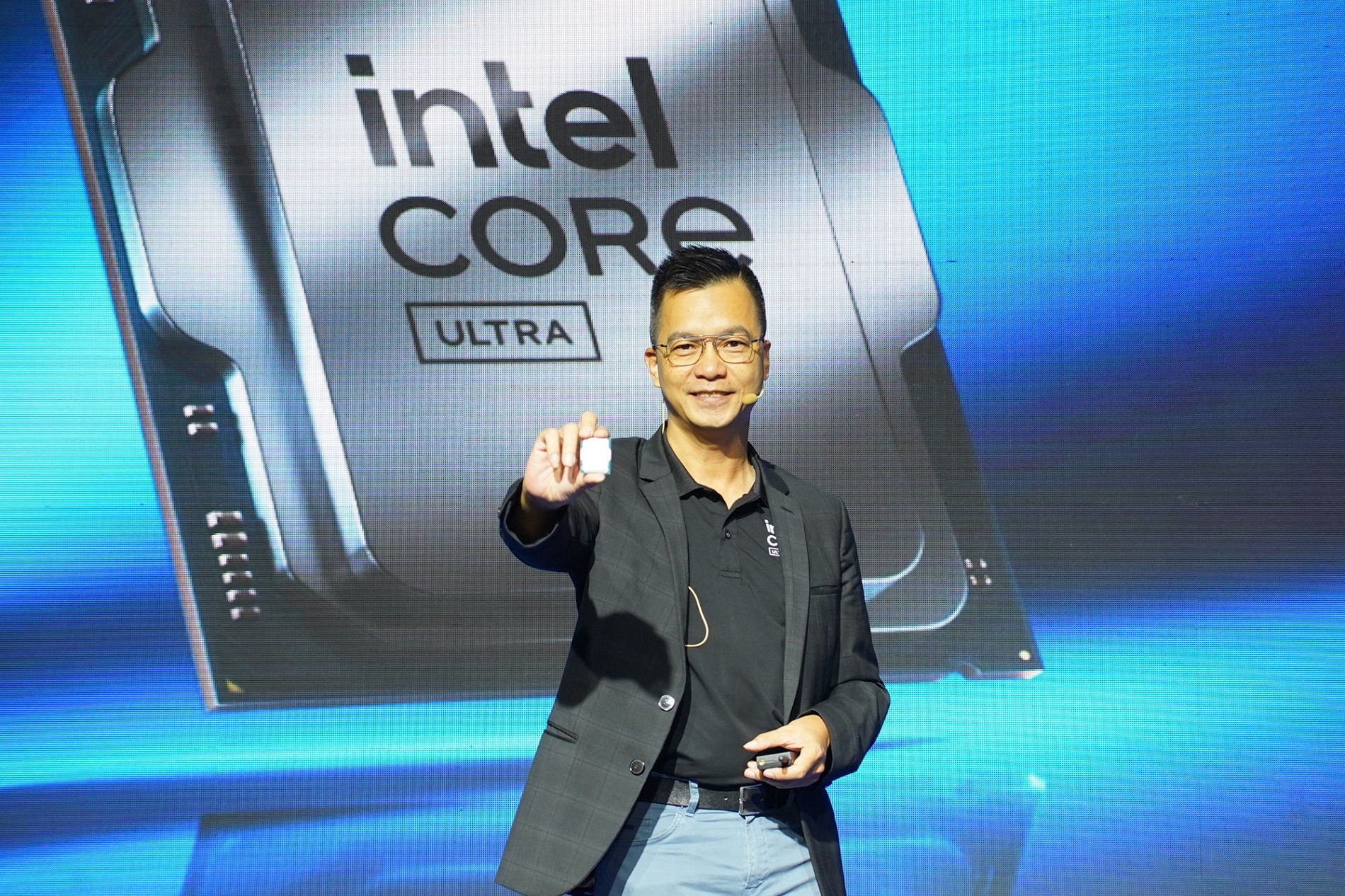
After the pandemic, remote work ceased to be a temporary solution and became the "new normal." According to The Future of Work report by The Sentry and Decision Lab, up to 62 percent of personnel in Vietnam prioritize flexibility between the office and home. However, a "back to office" wave is budding at large corporations. The reason is not just productivity, but also anxiety regarding information security.
Public Wi-Fi
In the traditional model, the Information Technology (IT) department can build "firewalls" around the office to control every connection port. But with the hybrid model, every coffee shop and every public Wi-Fi point where employees stop by becomes an extension of the corporate infrastructure. These are unprotected extensions.
Personnel devices are the "gateways" for hackers to infiltrate core systems. When working outside the office, these devices frequently suffer from brute-force attacks (using automated tools to guess passwords).
According to Kaspersky, in 2024, Vietnam recorded up to 20 million such attacks, accounting for more than one-third of the total number in Southeast Asia. Protecting devices when they are beyond the physical reach of the IT team has become a difficult problem to solve.
Security tied to the device
As risks grow increasingly sophisticated, “building firewalls” has become outdated. Experts say businesses need to shift toward a proactive security mindset, starting at the hardware layer of endpoint devices.
Rather than relying on employees diligently updating software, managers need a mechanism that allows device control anywhere. In Vietnam, many organizations have begun adopting specialized platforms such as Intel vPro to address this issue.
The key lies in deep management capabilities that enable IT teams to isolate threats immediately and preserve data without manual intervention from end users.
Phung Viet Thang, Country Director of Intel Vietnam, remarked: "The hybrid model is the balance point between the business's need for control and the employee's autonomy. Investing in appropriate technology not only optimizes resources and leverages working performance according to a flexible model, but is also a lever to create competitive advantage and explore new business opportunities."
Practical evidence from the Smart City project in the former Hau Giang Province showed that integrating remote management solutions directly onto Intel Core processor hardware helped effectively manage devices remotely as well as providing two-layer protection, tight security control, immediate threat isolation, and data preservation.
As the flexible working model becomes a sustainable trend, data security is no longer just a problem for the IT department but is a strategic priority for the entire business.
Du Lam
.svg)
