 Vietnamnet.vn

 Podcast



As Tet draws near, the Emergency Department of the National Hospital for Tropical Diseases in Hanoi remains crowded with critically ill patients. Here, doctors and nurses do not take a holiday break - they race against every passing minute to save lives. For them, the most meaningful Tet lucky money is a patient’s recovery.
Beds constantly filled
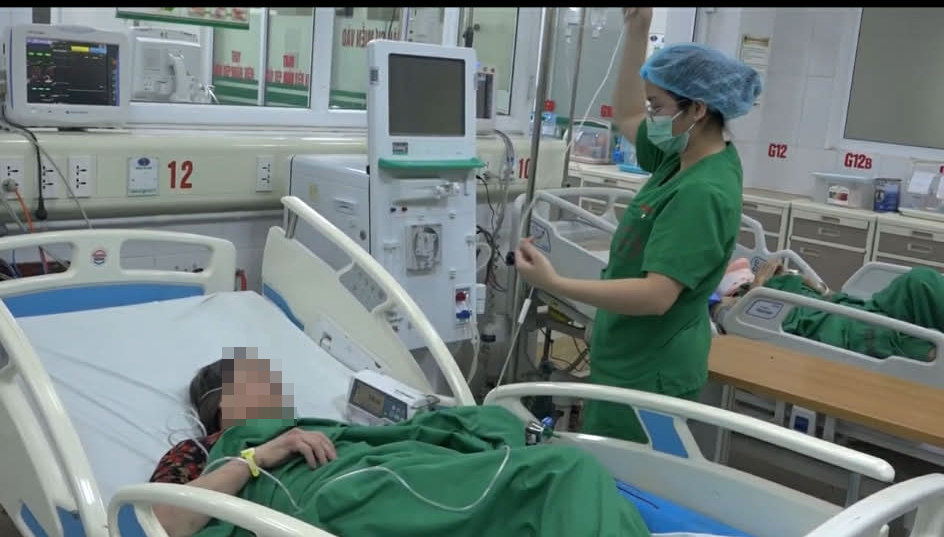
Inside the Emergency Department in the days leading up to Tet, hospital beds are almost always occupied. Rarely does a space open up before another patient is swiftly transferred in.
Resident physician Truong Tu The Bao said the period before, during and after Tet is consistently the most intense time of the year. Emergency admissions surge, with many patients arriving in life-threatening condition, suffering multi-organ failure, severe septic shock or complications from infectious diseases. Shifts stretch nearly around the clock.
As the country’s top referral center for severe infectious diseases from multiple provinces and cities, the hospital operates in a state that feels permanently taut. Amid a maze of ventilators, infusion pumps and the relentless beeping of monitors, medical teams must coordinate every movement with precision. There is no concept of a Tet holiday here, because even a delay of a few minutes can narrow a patient’s chance of survival.
Every clinical decision is weighed carefully, knowing it concerns a human life and the anxious hopes of an entire family.
The emergency environment already runs nonstop, with patients constantly coming and going and tasks measured by the hour, even by the minute. As Tet approaches, the pace only intensifies. Early morning or late at night, there is scarcely a quiet moment. Teams continuously rearrange beds, allocate staff and prepare for new admissions under any circumstance.
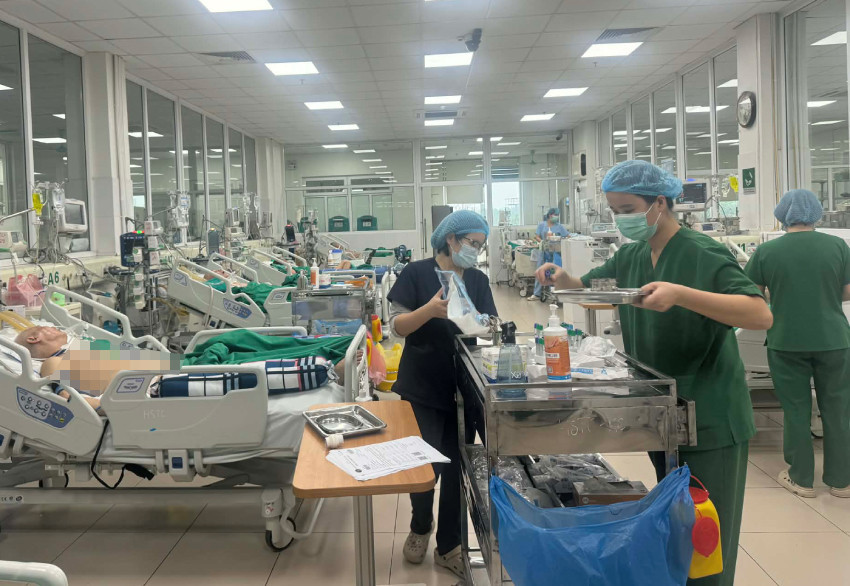
Nurse Pham Thi Thuy of the Emergency Department shared that most patients arrive on the fragile boundary between life and death. Each procedure must therefore be precise, swift and strictly compliant with professional protocols. The department operates on a three-shift, four-team system, with direct handovers at each bedside to ensure updated information on every patient and prioritize treatment according to severity.
“The work goes far beyond changing dressings, preparing medication or monitoring vital signs. For patients on ventilators, nurses must constantly observe and assess developments to respond promptly. At times, patients become agitated during procedures, and the entire team must coordinate to secure the endotracheal tube to prevent dangerous dislodgement. Beyond clinical duties, we assist with feeding, hygiene and repositioning for critically ill patients - tasks that require strength and close teamwork during every shift,” Thuy said.
At the Intensive Care Center, an average of around 60 critically ill patients are under treatment. Dr Pham Van Phuc, Deputy Director of the Center, said these are all severe cases, with many carrying a guarded prognosis.
A special Tet lucky gift
During Tet, when most families gather together, the anxiety multiplies for those with loved ones in intensive care. Discussing a poor prognosis is never easy. Doctors must provide full information on the patient’s condition, chances of recovery, treatment costs and potential consequences so families can make informed decisions.
After more than six years in the profession, Dr Bao has grown accustomed to Tet shifts, often missing New Year’s Eve at home. For medical staff here, a patient’s recovery is the most meaningful lucky money of the year. They encourage one another, decorate the department with simple touches, share banh chung and boiled chicken for a modest New Year’s Eve meal during their shift. Amid the steady hum of ventilators, a peach blossom branch or a handwritten greeting card is enough to ease the strain.
Preparing for Lunar New Year Binh Ngo 2026, Dr Pham Ngoc Thach, Director of the National Hospital for Tropical Diseases, said the hospital has proactively implemented all plans under the Ministry of Health’s direction: organizing 24/7 on-duty schedules at all levels; ensuring readiness to admit, provide emergency care and treat patients, particularly severe and critical cases; fully preparing medicines, supplies, biological products and equipment; strengthening infection control; and ensuring hospital security and safety.
The hospital has also developed contingency plans to respond to any potential outbreak during the Tet holiday.
Phuong Thuy
.svg)
