 Vietnamnet.vn

 Podcast



Two patients with severe malaria were successfully treated after Vietnam's Ministry of Health coordinated with the World Health Organization (WHO) to urgently secure a supply of lifesaving antimalarial medicine from overseas as domestic stocks neared depletion.
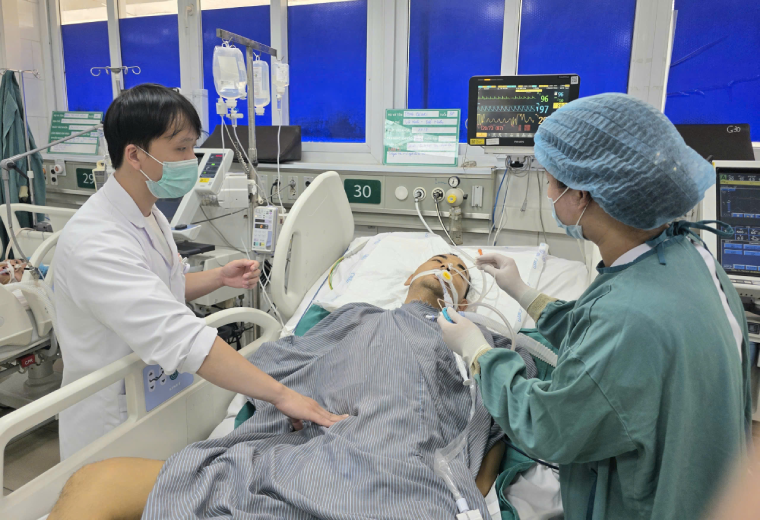
Earlier this month, the Institute of Tropical Medicine at Bach Mai Hospital in Hanoi admitted two patients with severe malaria in critical condition. Both had fallen into a coma, suffered multiple organ failure and faced an extremely high risk of death.
The first patient, a 51-year-old man from Ha Tinh Province, was admitted on July 6 with a high fever, impaired consciousness and damage to his brain, liver, kidneys and lungs. He required intensive care, including continuous renal replacement therapy.
Doctors learned that he had returned from Angola, a malaria-endemic country, nearly two weeks earlier. Based on this important epidemiological history, they quickly ordered laboratory tests and confirmed that he had severe malaria caused by Plasmodium falciparum.
According to the medical team, most malaria cases recorded in Vietnam today are imported from overseas, making them easy to overlook if travel history is not carefully investigated.
Meanwhile, Plasmodium falciparum can rapidly cause multiple organ failure and death if treatment is delayed.
Doctors noted that severe malaria must be treated with injectable artesunate.
However, because severe malaria has become relatively rare in Vietnam, domestic supplies of the drug are extremely limited.
When the first patient was admitted, Bach Mai Hospital had only enough injectable artesunate to treat a single patient.
Recognizing the possibility of additional cases, the hospital immediately coordinated with specialist agencies and reported the situation to the Ministry of Health to seek additional supplies.
As anticipated, while the first patient was still undergoing treatment, the Institute of Tropical Medicine admitted a second patient - a Chinese national who had been living in Guinea, a malaria-endemic country in West Africa.
His condition was even more critical.
He arrived unconscious with damage to his brain, liver and kidneys, pneumonia, anemia and thrombocytopenia. He required both mechanical ventilation and continuous renal replacement therapy.
On the evening of July 12, Bach Mai Hospital activated its highest-level emergency response to convene a multidisciplinary consultation.
As doctors raced against time, supplies of injectable artesunate had almost been exhausted.
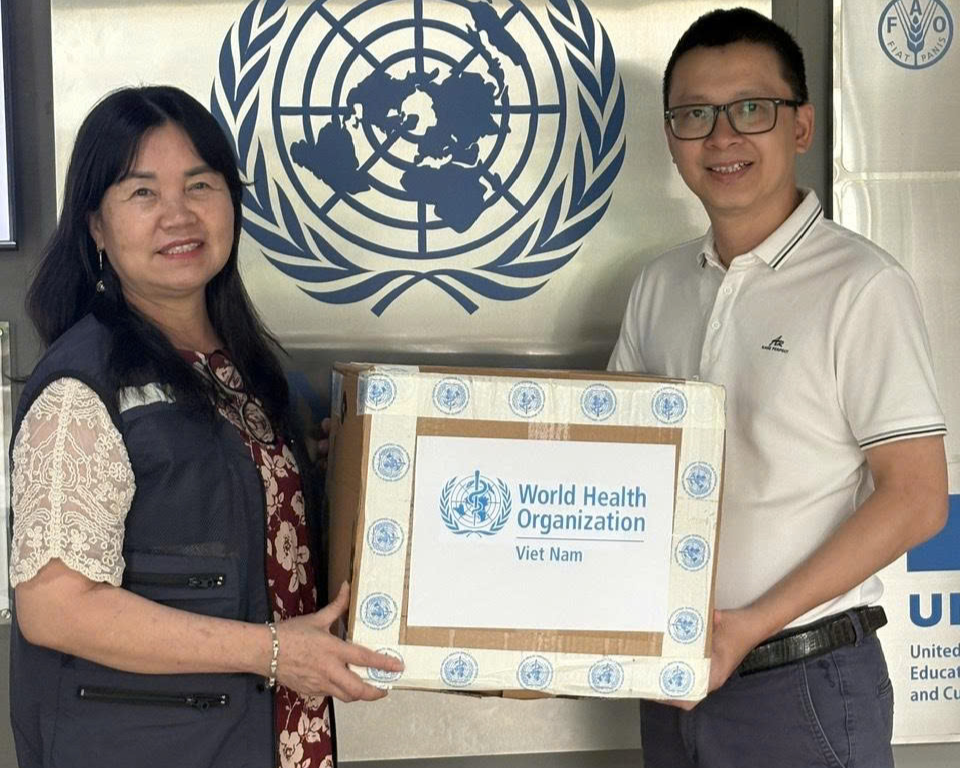
Following the hospital's urgent report on the patient's critical condition and the shortage of the lifesaving medicine, the Ministry of Health coordinated with the World Health Organization (WHO) to urgently transport additional artesunate to Vietnam from overseas.
The WHO subsequently donated 150 doses of injectable artesunate to Bach Mai Hospital.
The medicine is regarded as the most important treatment for severe malaria.
Arriving at a critical moment, the donated supply enabled doctors to administer the optimal treatment regimen for the Chinese patient.
After receiving injectable artesunate alongside intensive supportive care, the patient's parasite count declined rapidly, while liver, kidney and other organ functions gradually recovered.
From deep coma requiring mechanical ventilation and continuous dialysis, he steadily regained consciousness, was successfully weaned off the ventilator and was eventually able to communicate with medical staff in Chinese.
On July 22, both patients with severe malaria were discharged from hospital.
Phuong Thuy
.svg)
