 Vietnamnet.vn

 Podcast


Fresh signals from Kim Sang Sik
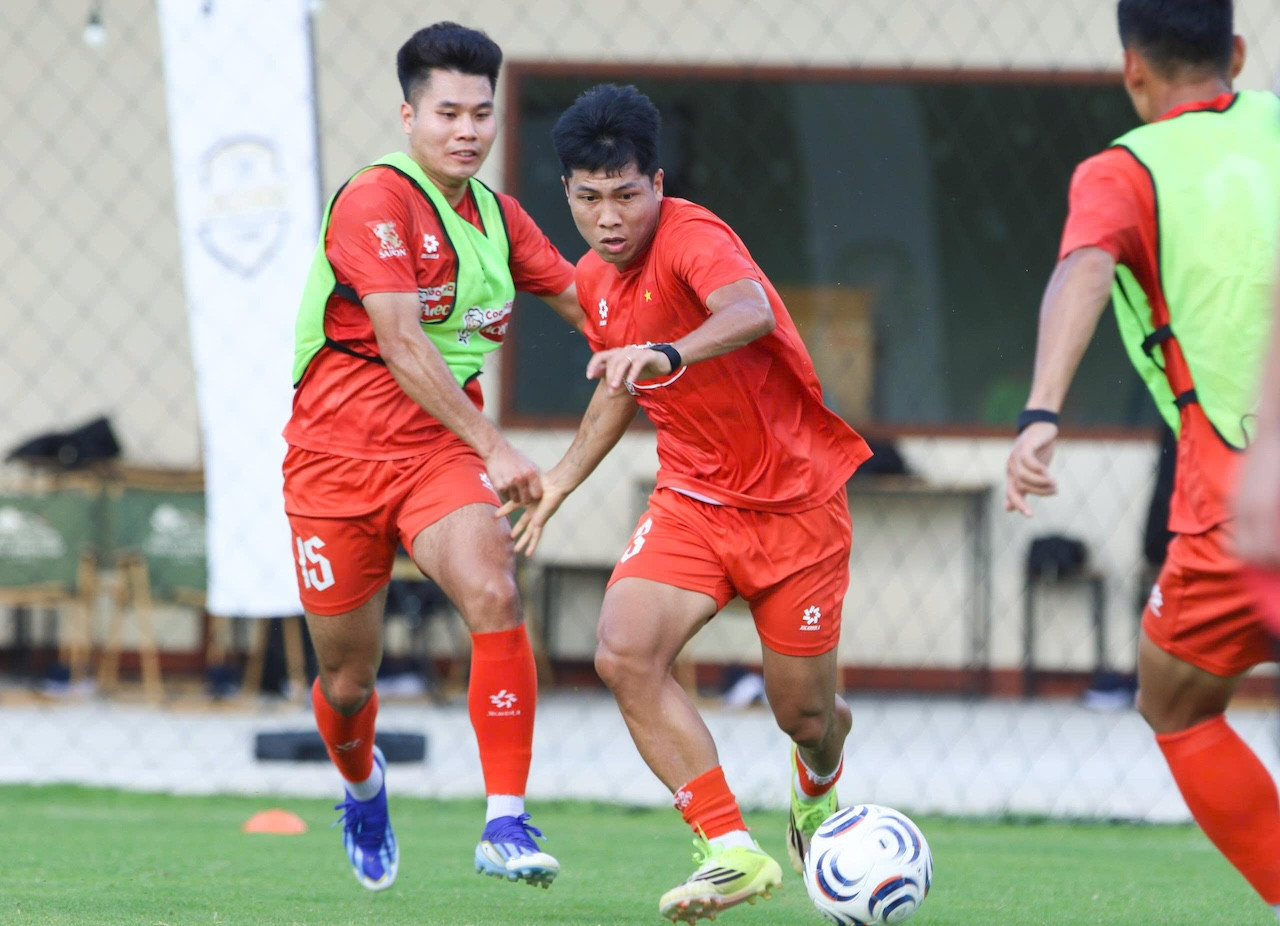
The Vietnam national football team has attracted renewed attention after coach Kim Sang Sik added Nguyen Dang Duong, Le Quoc Nhat Nam and Nguyen Duc Anh to his squad for November's FIFA international window.
Even his initial squad announcement contained several surprises, with selections that differed from his previous approach.
Alongside established players, Vietnam welcomed several youngsters, players who had previously been called up but rarely featured, and others returning after lengthy absences.
The unavailability of Quang Hai, Hoang Duc, Hoang Hen, Xuan Son and several other key players for various reasons has undoubtedly forced the South Korean coach to reconsider his options.
However, describing these selections merely as replacements would not tell the whole story.
Beyond filling vacancies, Kim has actively expanded his options by including players such as Minh Khoa, Quoc Cuong, Le Phat, Van Tung and Viet Cuong.
His decision to add three more players across different positions further suggests a greater willingness to explore alternatives.
This is noteworthy because, after initially showing considerable enthusiasm for discovering new talent, Kim gradually became more cautious, even somewhat conservative, in his squad selections.
That preference for familiar players has delivered success, but it has also exposed weaknesses in Vietnam's squad depth.
The Golden Star Warriors have sometimes struggled to adapt when key players were unavailable or failed to perform at their best.
The latest squad therefore suggests Kim has made some necessary adjustments, although it remains too early to conclude that his overall approach has fundamentally changed.
Vietnam need genuine changes, not just new names
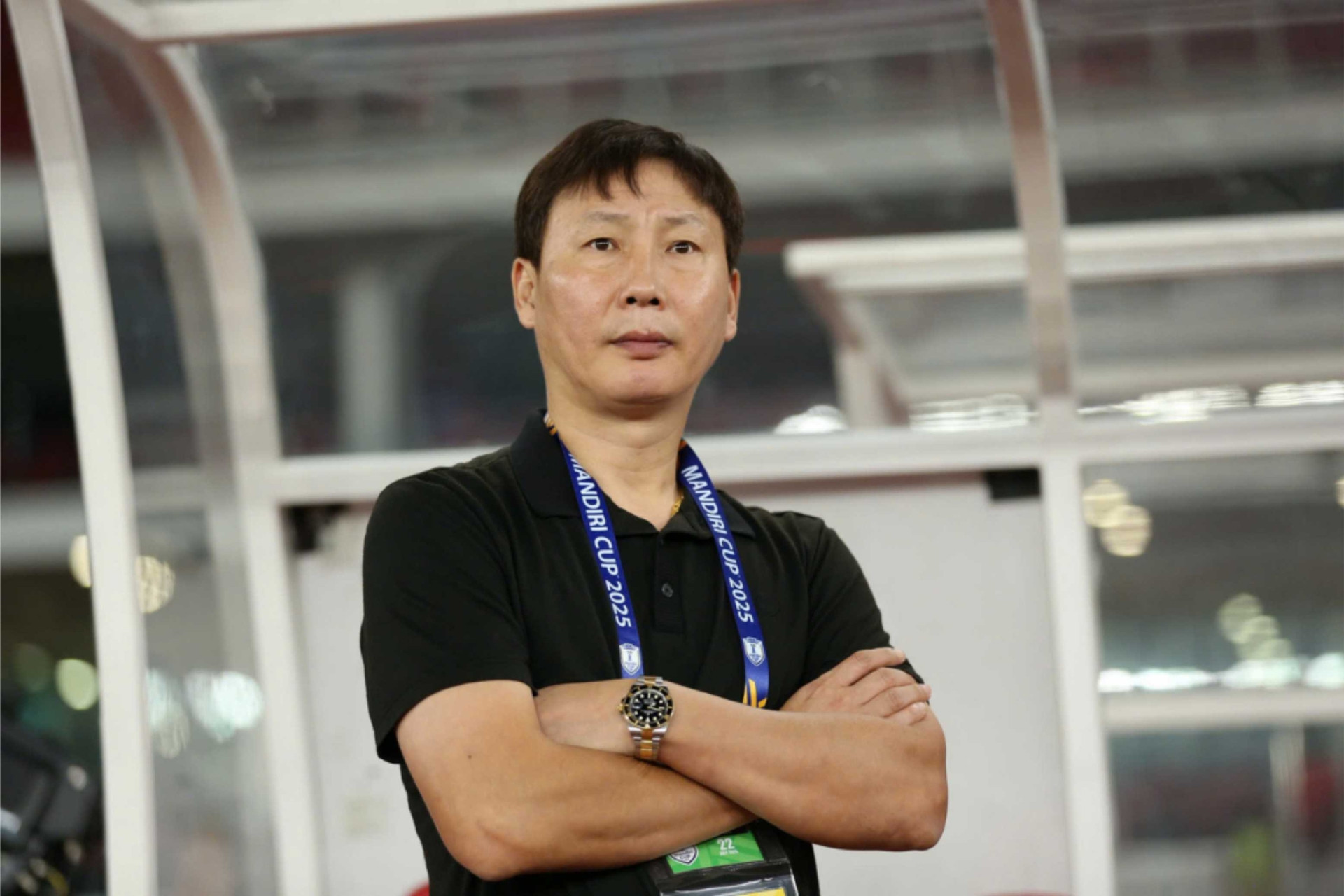
The most important question surrounding Vietnam's latest training camp is not how many newcomers have been selected, but how many will actually receive meaningful opportunities.
There is little value in experimenting with the squad list if Kim returns to his familiar, conservative selections once competitive matches begin.
This is hardly a new issue under the South Korean coach.
During recent international windows, several players have received call-ups only to spend most of their time on the bench, while Vietnam's established core continued to shoulder the bulk of the responsibility.
The concern has become more pressing following weaknesses exposed during the ASEAN Cup and the 2026 FIFA ASEAN Cup.
Those tournaments highlighted limitations in squad depth, the team's ability to control matches and, particularly, its reliance on a handful of individuals.
Kim knows these problems cannot be solved simply by calling up more players.
Vietnam need more substantive experimentation, both in personnel deployment and tactical organization.
Younger players must be given sufficient playing time to demonstrate their abilities, even if they do not immediately meet every technical or tactical requirement.
Upcoming matches against Kyrgyzstan and Chinese Taipei offer suitable opportunities for Kim to test alternative combinations and approaches.
Results still matter, but they should not necessarily take precedence over the longer-term objective of developing new options for the national team.
Kim has taken an encouraging first step by broadening his squad selection.
Yet changing the list of players is the easy part.
The real challenge, and the more important test of his willingness to evolve, is whether he can move beyond his preference for familiar choices and give the newcomers he has selected a genuine chance to prove themselves.
Duy Nguyen

