 Vietnamnet.vn

 Podcast



According to a notice from Lumi Fitness & Yoga, its Minh Khai club in Hanoi will permanently close on August 1. It is the second Lumi Fitness location to shut down within a month. Earlier in July, the chain announced the permanent closure of its Tay Mo facility.
Lumi Fitness & Yoga is operated by LM Vietnam Sports JSC and was established in March 2021. According to the company, it previously operated a network of four five-star fitness clubs in Hanoi. The company has not disclosed the reasons behind the downsizing or its future expansion plans.
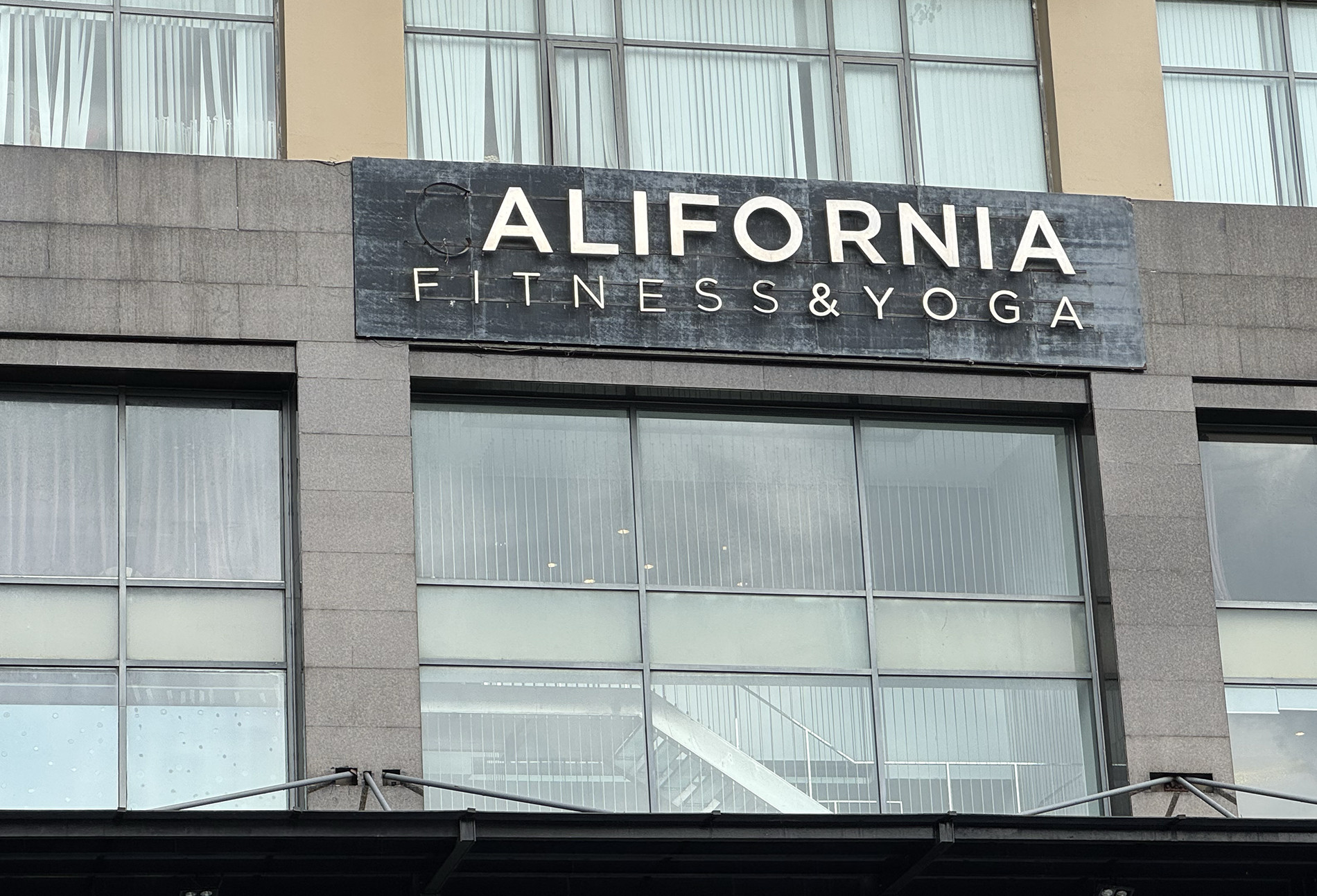
California Fitness & Yoga has also announced the closure of several clubs. In Ho Chi Minh City, its Tan Son Nhi and Go Vap locations will cease operations, while in Hanoi, clubs in Cau Giay and Cua Nam are also scheduled to close.
Explaining the decision, California Fitness said the affected clubs had reached the end of their lease agreements and no longer met the space requirements needed for the company's new "Wellness Hub" concept.
Rather than continuing to expand its footprint, the company said it will focus on investing in existing clubs with stronger long-term potential, next-generation service models, professional expertise, technology and improved member experiences.
California Fitness was once regarded as the leading premium gym brand in Vietnam. Since entering the market in 2007, the company expanded to nearly 50 clubs at its peak, occupying prime locations in major shopping malls across the country and serving hundreds of thousands of members. For many years, it became synonymous with high-end fitness clubs in Vietnam.
Earlier this year, Elite Fitness announced that its Thao Dien club would permanently close on May 1, 2026, after the company failed to reach an agreement to renew its lease. The closure marked Elite Fitness's complete withdrawal from southern Vietnam, leaving the brand operating only in Hanoi.
Founded in 2010, Elite Fitness now maintains its remaining clubs exclusively in the capital.
A market facing growing pressure
Industry experts say the large-scale gym model, which enjoyed years of strong growth, is now facing mounting challenges as operating costs rise and consumer preferences evolve.
The rapid development of residential townships and high-end apartment complexes has made in-house fitness facilities increasingly common. Rather than travelling to commercial gyms, many residents now prefer exercising within their own communities because of greater convenience and lower costs.
At the same time, activities such as running, pickleball, tennis, golf and cycling have become increasingly popular, creating greater competition for consumers' leisure time and fitness spending.
In late March, Fit House informed customers that it would permanently close after 10 years in operation. According to founder Vo Trung Tin, the business had suffered sustained losses following the COVID-19 pandemic, economic headwinds and operational difficulties.
Tin said all funds borrowed from customers, colleagues and acquaintances had been used to keep the business operating, but he and his family are now unable to repay their outstanding debts.
Tran Viet Anh, a consumer market research specialist, believes the industry is entering a period of consolidation as large gym chains struggle with rising rental, labor and operating costs while consumer behavior changes significantly.
In the past, gym operators could expand rapidly by selling long-term membership packages. Today, however, customers place greater value on flexibility, convenience and overall value for money. As a result, major fitness chains are being forced to rethink their business strategies if they want to sustain growth.
Looking ahead, industry observers expect large gym operators to shift their focus away from aggressive expansion toward improving operational efficiency, optimizing costs and delivering better customer experiences.
Duy Anh
.svg)
