 Vietnamnet.vn

 Podcast



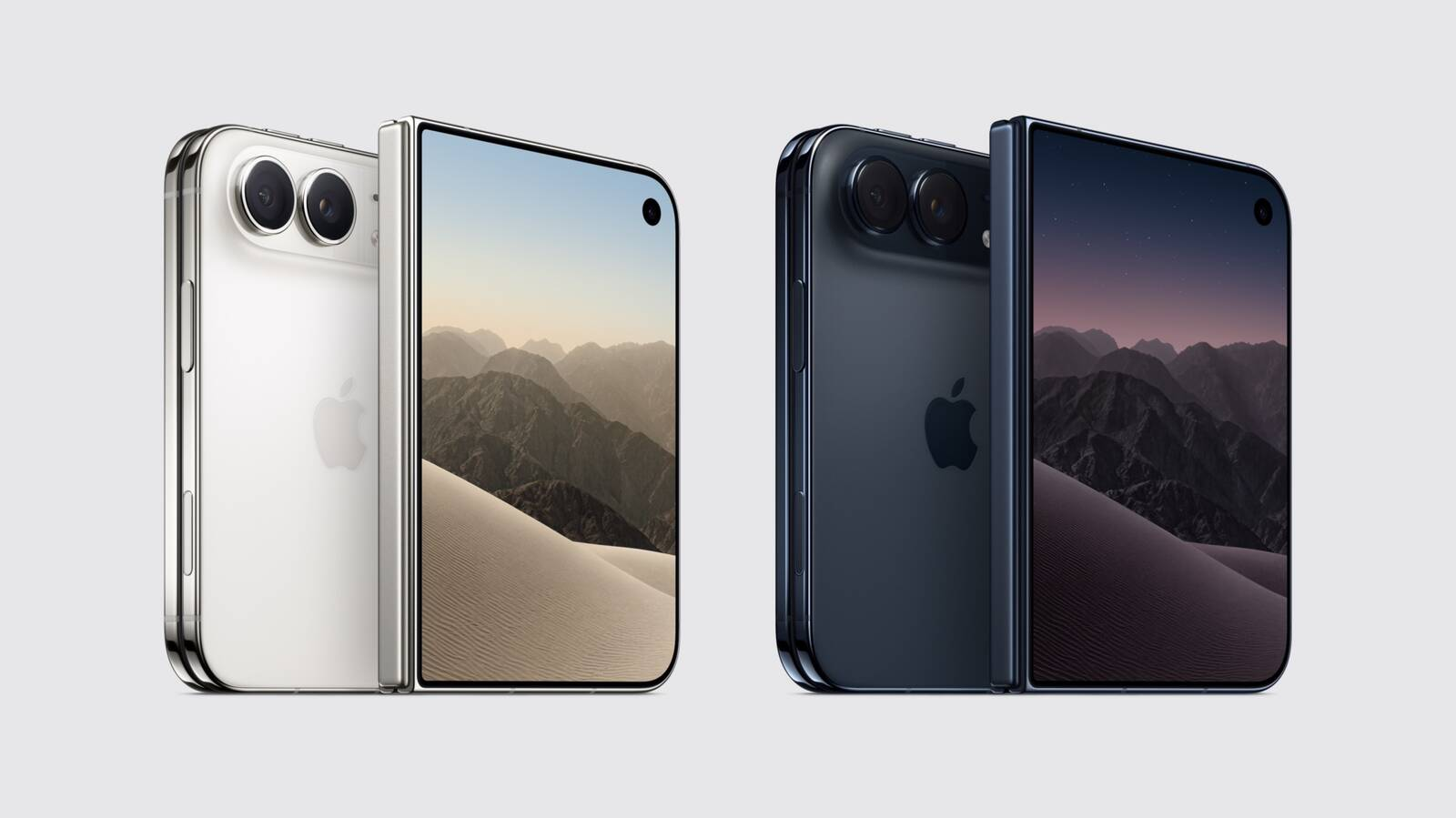
The iPhone Duo has become a major talking point in the technology world, reportedly attracting enough attention that even Samsung cannot afford to ignore its appeal.
But is Apple’s first foldable iPhone really as special as the hype suggests?
The iPhone Duo has a fashionable design, a premium appearance and enough immediate appeal to tempt many buyers if it were available today. Yet the longer Apple delays its foldable, the more time consumers have to consider whether this is really a device they need.
Significant hardware compromises remain
With an expected starting price of around $2,000, the iPhone Duo appears to fall behind Apple’s own iPhone 18 Pro, which starts at $1,199, in several areas.
The foldable is reported to have a smaller battery, a less capable camera system and no Face ID.
Those compromises alone may not be enough to put buyers off a foldable phone. The complexity of the form factor makes it difficult for manufacturers to fit all their most advanced hardware into a device designed to fold.
The problem is that the iPhone Duo may not only lag behind the iPhone 18 Pro.
Compared with Samsung’s foldable smartphones, the iPhone Duo is reportedly thicker and heavier. That could make it uncomfortable to hold in one hand, particularly over extended periods.
Apple has also yet to fully embrace silicon-carbon battery technology, which a growing number of Android manufacturers are using to increase energy density without making devices thicker.
If reports prove accurate, iPhone Duo owners may find themselves reaching for a charger more frequently.
A matte display coating could make the crease less noticeable, but that does not mean it will disappear. However well it is treated, the characteristic fold line is still likely to remain visible.
Software may not make full use of the larger screen
Another point of contention is software.
The iPhone Duo is reportedly limited to running two apps side by side. Rival foldable smartphones, by comparison, can display three apps simultaneously and even support additional floating windows.
The limitation may not be accidental.
Although the iPhone Duo is expected to resemble an iPad mini when unfolded, Apple still positions it as a phone. Giving the device too many productivity and multitasking capabilities could risk putting it in more direct competition with the iPad.
One user has even recreated the iPhone Duo’s distinctive unfolding animations on a Galaxy Z Fold 8.
Those animations had been seen as one of the software touches that could make Apple’s first foldable particularly appealing. But if similar experiences can be replicated on another device, some of the Duo’s sense of exclusivity could fade.
Do users really need a foldable iPhone?
That leads to a broader question: do consumers actually need a device like the iPhone Duo?
Smartphone notifications already compete constantly for users’ attention, while the rise of ChatGPT and other AI chatbots has given people even more reasons to spend time looking at screens.
A device offering roughly twice the display space essentially provides more room to scroll, watch and interact.
Samsung and other manufacturers have been selling foldable phones for years, yet the category still represents a relatively small share of the broader smartphone market.
The iPhone Duo could change that by introducing the foldable form factor to a much larger population of iPhone users and potentially turning it into a more mainstream choice.
But whether that appeal will last is another question.
Apple is no longer a company that necessarily races to be first with every emerging technology. Instead, it often allows competitors to experiment, absorb the risks and work through early problems.
Once a technology becomes more mature, Apple tends to enter with its own refinements, combining hardware with software and ecosystem integration to recapture attention.
That strategy has worked well in the past. But taking nearly a decade to enter the foldable smartphone market means expectations surrounding the iPhone Duo are exceptionally high.
Durability is reportedly one of Apple’s priorities. The device appears solidly built and is expected to carry an IP68 water-resistance rating.
Those specifications, however, cannot answer the most important long-term question: how will the display and hinge hold up after years of use?
If Apple were to rush the iPhone Duo to market simply because it felt it was falling behind competitors, that would raise concerns.
A $2,000 price makes every compromise harder to ignore
A more skeptical theory is that Apple may have deliberately limited the iPhone Duo’s camera system to leave room for an upgrade the following year.
That remains speculation. But on a device expected to cost around $2,000, every compromise will inevitably attract closer scrutiny.
The iPhone Duo, for example, does not have a telephoto camera.
The display crease is another major unknown. No one yet knows exactly how the screen will look after thousands of folds and unfolds. If the crease becomes increasingly visible over time, it could be difficult to accept on a $2,000 smartphone.
After years of development, Apple’s apparently cautious approach to the iPhone Duo and its prolonged path to market could end up weakening confidence rather than strengthening the product’s position.
With polished software touches and capable hardware, the iPhone Duo unmistakably carries Apple’s design philosophy. Loyal fans will likely still be eager to buy one as soon as it goes on sale.
For a broader audience, however, the Duo’s appeal could begin fading even before the first units reach customers.
The unfortunate part is that the iPhone Duo has all the ingredients of a product people might buy on impulse. Had Apple brought its first foldable iPhone to market sooner, its novelty might have carried considerably more momentum.
Hai Phong
.svg)
