 Vietnamnet.vn

 Podcast



The upcoming iPhone 17e may be one of Apple’s most intriguing launches in recent years - not because of revolutionary technology or radical design, but because the company seems to have finally nailed who this phone is actually for, and what they truly need.
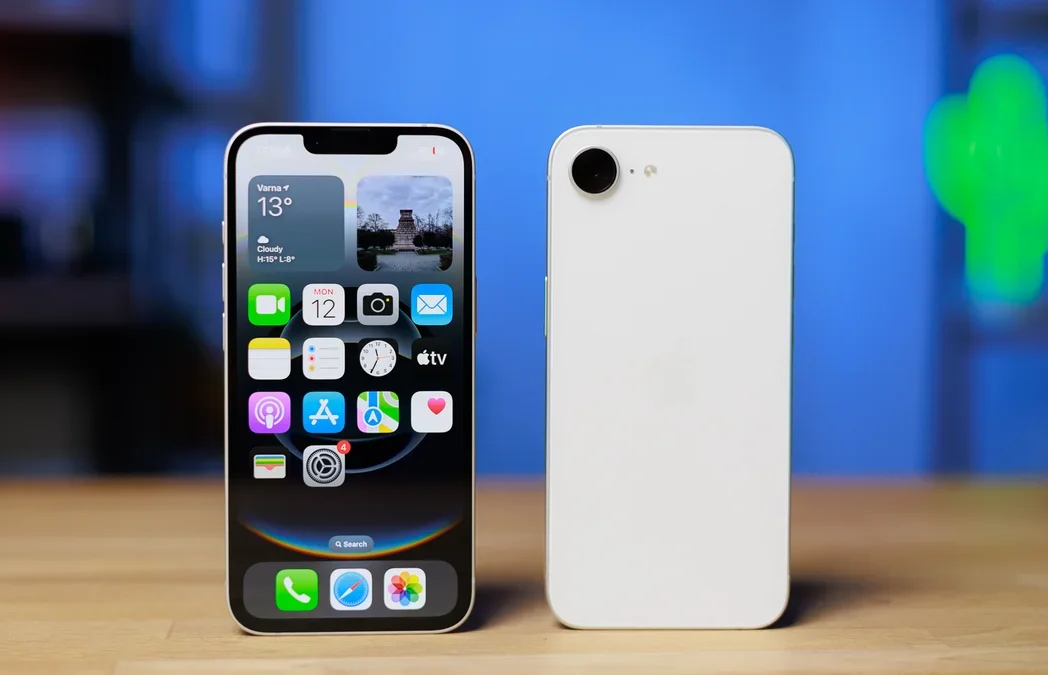
Last year, Apple officially ended the iPhone SE line and introduced the iPhone 16e as its new budget offering. Like its spiritual predecessor, the 16e combined dated design elements with mid-range specs and a relatively accessible price point. On paper, it made sense. In reality, the device received lukewarm reception from the tech community.
Reviewers questioned the strategy of replacing a compact, retro-style iPhone with a phone packed with older components, a powerful chip, and a mid-tier price tag. It raised the question: who exactly was the iPhone 16e made for?
Despite the skepticism, the iPhone 16e sold surprisingly well. According to Counterpoint Research, while its early November sales looked underwhelming, the 16e ended up becoming the fourth best-selling smartphone globally - behind only the iPhone 16 and its two Pro variants. It even outsold all Samsung models, including entry-level options like the Galaxy A16 5G and Galaxy A36.
This revealed something important: features that tech enthusiasts deem “unacceptable” - such as a single camera or a 60Hz screen - aren’t necessarily deal-breakers for the majority of everyday users.
On paper, the iPhone 16e looks uninspiring. For the same $599 price, users could buy a Pixel 10 or Galaxy S25 FE - both of which boast better hardware, more cameras, brighter and smoother displays. But they share one major flaw: they’re not iPhones.
Most users in this segment don’t care about high refresh rates or triple-lens setups. They use the iPhone 16e almost the same way they would a flagship iPhone 17 Pro - and they’re satisfied.
iPhone 17e: Cheap, but not outdated
The iPhone 17e is expected to fix the two biggest criticisms of its predecessor. Rumors from China suggest that it will feature both Dynamic Island and MagSafe - two elements that signal “modern iPhone” to mainstream users.
MagSafe has grown in popularity, with a thriving accessory ecosystem that makes the feature appealing even for average consumers. Meanwhile, Dynamic Island gives the iPhone 17e a fresher, more contemporary appearance compared to the dated notch. Even users who can’t tell the difference between 60Hz and 120Hz displays can instantly spot the difference between old and new iPhones.
Apple is also rumored to bring Center Stage to the 17e’s front camera. While ultra-wide selfie lenses may not attract much attention, better video calls and improved selfies will be a welcome upgrade for nearly everyone.
Combine these enhancements with already strong performance - on par with many higher-end iPhones - and the 17e could become one of Apple’s most compelling releases. Of course, it’s not built for users obsessed with top-tier flagships.
Apple knows this audience well: they’re often using an aging iPhone 11 that’s starting to slow down. They want to stay in Apple’s “walled garden,” but they don’t care about specs, triple-camera arrays, or sophisticated cooling systems. Many of them don’t live in the U.S.
For this group, the iPhone 17e could be Apple’s best release in years. It looks and feels new, performs nearly as fast as top models, and offers full compatibility with Apple’s software and accessories.
You may not be the target customer if you only buy Pro models. But many others will be perfectly happy with this phone. If Apple prices it wisely and delivers on the rumored upgrades, the iPhone 17e might not only become one of the best-selling smartphones of 2026 - but the most successful budget iPhone in Apple’s history.
Hai Phong
.svg)
