 Vietnamnet.vn

 Podcast



After nearly three years of living with her daughter in an apartment complex in Hanoi's Hoang Mai district, Lanh still cannot confidently recall the exact English name of the development where she lives. The project is called Feliz, but residents frequently misspell it as Felice, Felis or Phelit.
Because the name is difficult to remember, many residents have created their own Vietnamese versions. Some call it "phe-lit home," while others simply refer to it as "the phe-lit area."
The confusion is not limited to residents. Real estate agents have also struggled with project names.
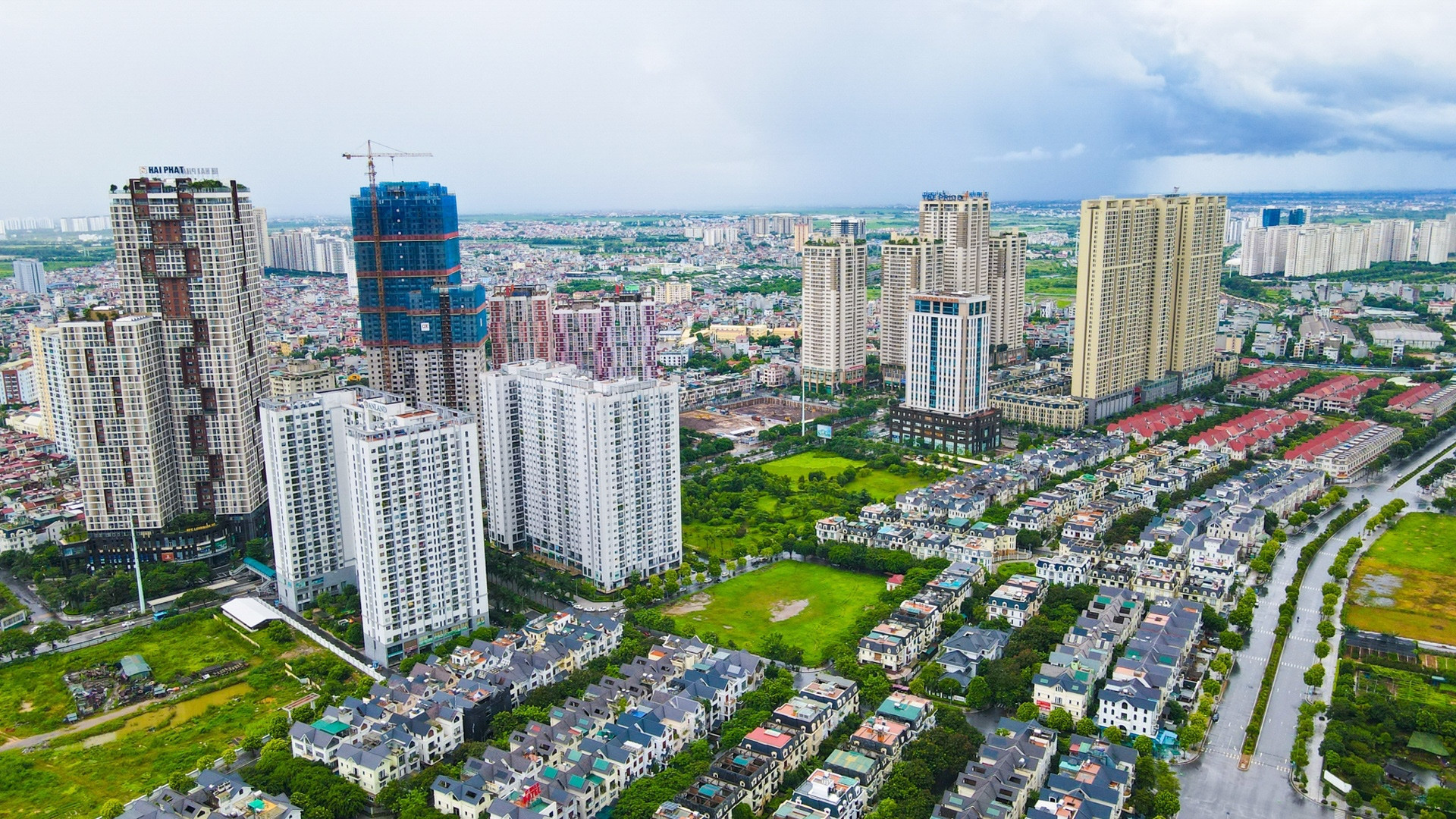
Nguyen Quang Thanh, a property broker, said some developers choose names that are difficult to read and pronounce. He recalled a project near West Lake that was commonly rendered into Vietnamese phonetics by salespeople and residents because few people knew how to pronounce its original name correctly.
The use of apostrophes in project names beginning with "D'" has created another practical challenge. Typing the names on mobile phones or computers often results in automatic corrections, font errors or unintended Vietnamese characters.
In one project launch several years ago, a senior executive from a development company reportedly mispronounced the name of the residential complex his own company was promoting.
Many projects now carry English-language names that may have attractive meanings but remain difficult for Vietnamese speakers to pronounce. Developments such as West Heights are often shortened by residents into informal nicknames, while The Marq is commonly pronounced in several different ways.
Projects inspired by French or Spanish naming conventions, including D'Capitale, Feliz en Vista and Le Pavillon, face similar challenges. Pronunciations vary widely among residents, brokers and service providers.
Some developments also have lengthy commercial names containing five to eight syllables, combining the developer's brand, product line, location and subdivision name into a single title.
Finding the right name
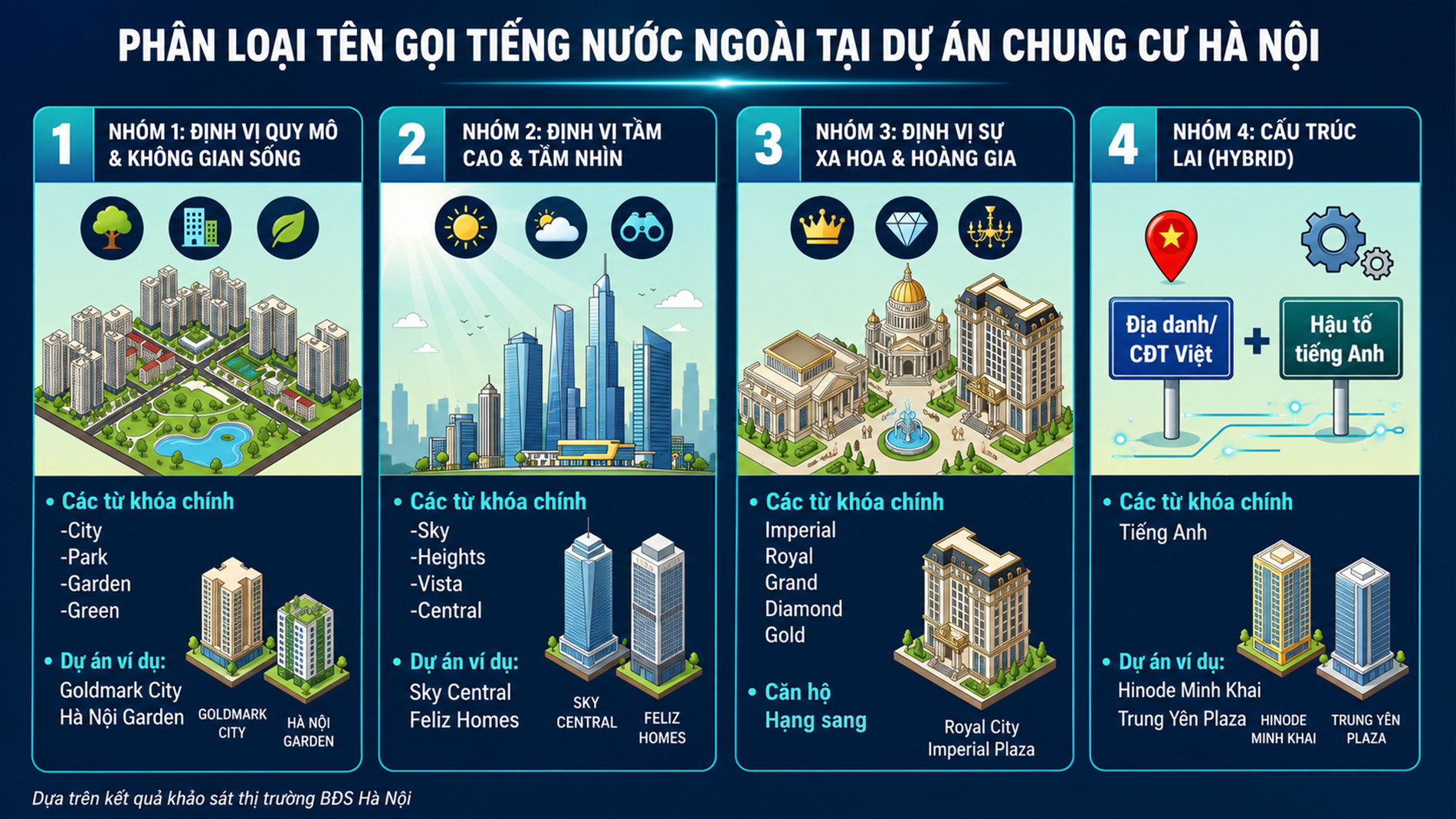
According to lawyer Tran Vi Thoai, director of IB Legal Vietnam, current regulations allow housing projects to use foreign-language names, but only if the full Vietnamese name appears first.
Article 33 of Vietnam's 2023 Housing Law stipulates that housing development projects and areas within those projects must be named in Vietnamese. Social housing projects, housing for members of the armed forces and resettlement housing projects are required to use Vietnamese names exclusively.
For commercial housing developments and apartment redevelopment projects, developers may choose to include foreign-language names. However, the Vietnamese name must be presented in full before the foreign-language version.
Project names and the names of areas within projects must be included in approved investment documents and remain in use throughout both the construction phase and the management and operation period after completion.
Marketing specialist Nguyen Thu Trang said the basic principles of branding remain straightforward: a successful name should be easy to remember, easy to pronounce and easy to identify.
When a foreign-language name becomes too long, overly complex or filled with unfamiliar sounds, consumers naturally adapt it to fit local language habits, she said.
Residents, delivery drivers and service providers often replace complicated project names with simpler Vietnamese place references when communicating. As a result, developers may spend millions of dollars building brand recognition around prestigious-sounding names that are rarely used in everyday life.
This creates a disconnect between marketing ambitions and the actual experience of residents.
Rather than relying on long and complicated English names designed to convey luxury or exclusivity, Trang suggested that developers consider more balanced naming strategies that combine a short, internationally recognizable element with the original place name or the developer's brand.
A successful project name, she said, should help connect a development with the community around it. It should be modern enough to appeal to international buyers and younger consumers while remaining accessible, memorable and practical for the majority of residents who use it in daily life.
Duy Anh
.svg)
