 Vietnamnet.vn

 Podcast


In September 2026, Viet Thai International, founded by David Thai, signed an agreement to acquire an 11% interest in Highlands Coffee.
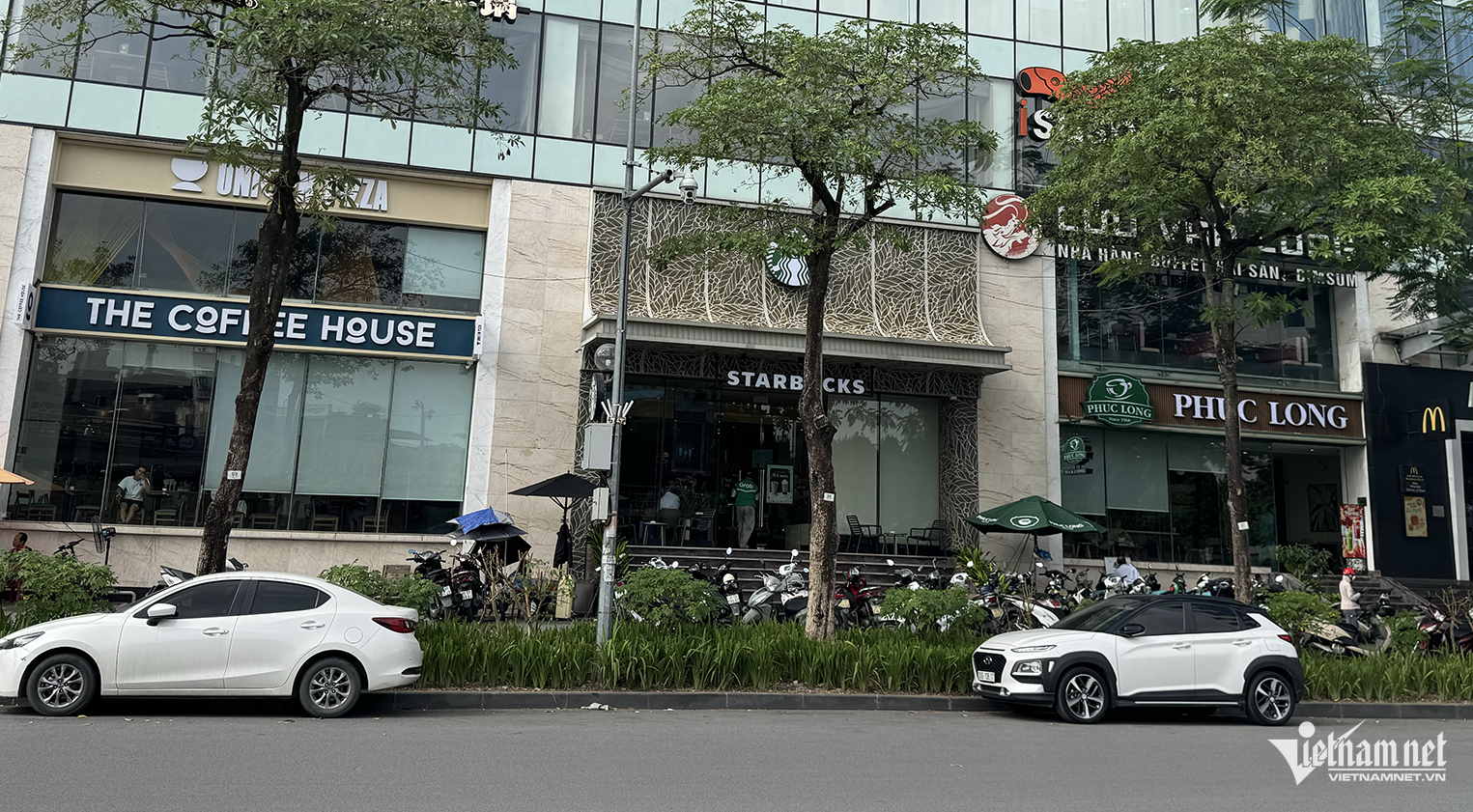
Once ranked second among Vietnamese coffee chains by revenue, The Coffee House was also a prominent example of an aggressive expansion strategy backed by investment capital.
Between 2017 and 2020, the chain actively sought large, two- to three-story premises along some of Hanoi's busiest streets and commercial areas, including Hai Ba Trung, Ba Trieu and Cau Giay.
The strategy enabled The Coffee House to rapidly expand its nationwide network to more than 150 outlets.
Under Seedcom's ownership, The Coffee House once ranked second in the market by revenue, behind only Highlands Coffee. Investors previously valued the chain at approximately $50-60 million.
On January 8, 2025, Golden Gate completed the acquisition of a 99.98% stake in Vietnam Tea and Coffee Trading Service Joint Stock Company, the operator of The Coffee House, for a provisional consideration of VND270 billion.
The acquisition price was considered significantly lower than the company's previous valuation.
Under its new ownership, the brand embarked on a comprehensive restructuring program, closing numerous underperforming stores burdened by high rental costs.
Why major investors target established coffee chains
According to business expert Tran Khanh Minh Son, venture capital funds and business founders do not necessarily regard monthly profits from individual cups of coffee as their ultimate objective.
Instead, they seek substantial returns through mergers and acquisitions (M&A) after spending three to five years building a business network.
When major consumer goods corporations acquire a food and beverage (F&B) brand, they typically assess its valuation based on three key factors: revenue growth, brand presence and, particularly, its portfolio of leases for prime commercial locations.
In major cities such as Hanoi and Ho Chi Minh City, commercial premises at central intersections, along historic streets and on the ground floors of office towers are increasingly scarce.
If a large corporation were to secure each location independently, it could take seven to ten years to establish a network of hundreds of outlets.
Major investors are therefore willing to pay several times a company's actual revenue to immediately acquire an established chain with a network of prime retail locations.
This dynamic has encouraged coffee chains to spend aggressively to capture market share.
However, Son warned that pursuing an impressive store network without the financial capacity to generate sustainable cash flow can turn expensive commercial premises into liabilities, leaving brands struggling after ownership changes.
The risks of aggressive expansion
Soya Garden illustrates the risks associated with expanding too rapidly.
After receiving more than VND100 billion in investment from Egroup, the chain expanded aggressively, reaching approximately 50 outlets by the end of 2019.
However, it also began closing underperforming stores around that time. By May 2020, the number of operating outlets had fallen to 23.
Company representatives previously acknowledged that most stores occupied large premises in prime locations, resulting in substantial rental and staffing costs.
The impact of the Covid-19 pandemic and the growing popularity of online purchasing made maintaining these expensive locations increasingly difficult.
The chain subsequently shifted toward smaller stores and kiosks to reduce operating expenses.
Another example was Taiwanese milk tea chain Ten Ren, which was backed by the same parent company as The Coffee House.
Despite this financial backing, Ten Ren announced the closure of all 23 outlets in Ho Chi Minh City and Bien Hoa in 2019.
These cases highlight the risks of prioritizing rapid expansion and brand visibility over sustainable operating performance. While prime locations can increase a chain's attractiveness to potential investors, they can also become a substantial financial burden if individual stores fail to generate sufficient revenue.
Duy Anh

