 Vietnamnet.vn

 Podcast


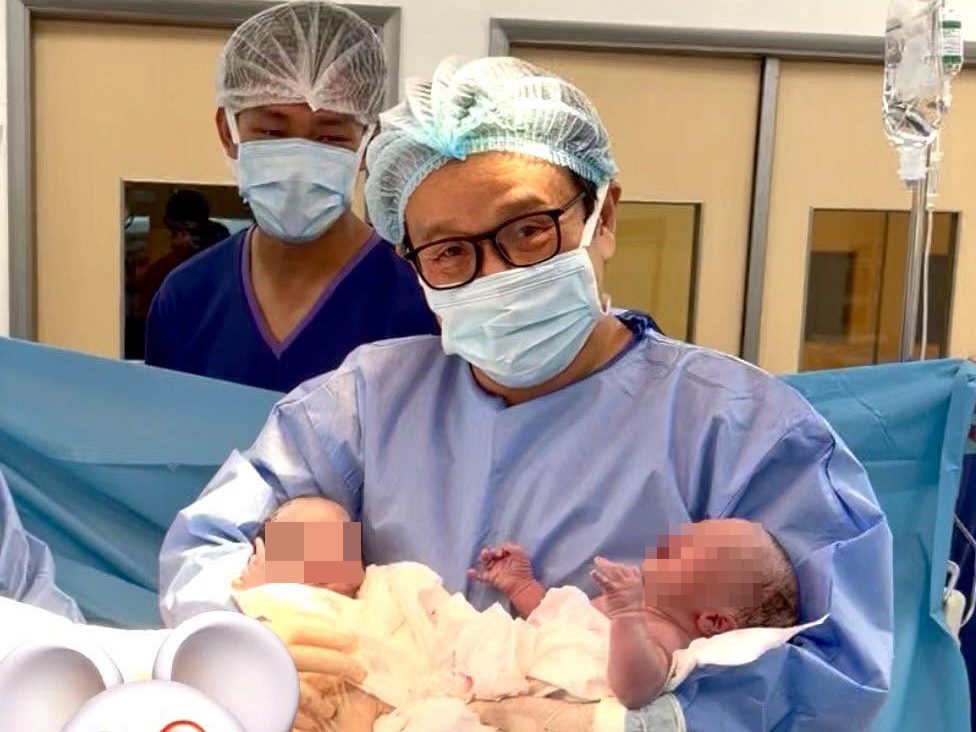
N.H.A., 36, from HCMC, went through a failed marriage but had no children. Not wanting to marry again, she decided to become a single mother.
More than two years ago, she began visiting medical facilities for health checkups. Doctors advised her to have a child soon because her reproductive window was becoming limited. When she returned home, she shared her wish with her mother and received her family's support.
The two then went to an assisted reproduction center to register for donated sperm in preparation for IVF.
However, the biggest challenge turned out to be finding a sperm donor.
Under regulations, sperm donation and receipt must be anonymous. A woman seeking donated sperm must find a suitable man who agrees to visit a medical facility and complete the donation procedures. Once the sample has been tested and meets the requirements, the sperm is coded and stored in a sperm bank. The recipient is later provided with another sperm sample in accordance with regulations, rather than the sample donated by the man she found.
H.A. repeatedly asked acquaintances for help. Some initially agreed but changed their minds when it came time to visit a hospital for testing.
Seeing his sister struggle to find a donor, H.A.'s brother agreed to donate sperm. However, the sample failed to meet the required standards after testing and could not be stored in the bank.
Hope was repeatedly followed by disappointment. Every time the woman approached someone she knew, they initially agreed, but many became hesitant when they had to personally visit a medical facility for testing.
H.A. once considered finding a sperm source outside the medical system but was concerned about health risks, the origin of the sample and legal issues, so she did not pursue the option. Her search lasted more than two years.
Eventually, she approached a male colleague in the LGBT community. Fortunately, he agreed to help. His sperm sample was subsequently tested and met the requirements for storage in the sperm bank.
For H.A., this marked a turning point that allowed her journey toward single motherhood to continue.
In assisted reproduction support communities, many women have shared similarly difficult experiences. N.M.L., 31, from Hanoi, went through a similar journey. She spent more than three years finding a donor so she could obtain a sample for IVF. Fortunately, her first embryo transfer was successful, and she welcomed a healthy baby.
Sperm donations remain scarce
Dr. Nguyen Huu Trung, an obstetrician-gynecologist and specialist at the University of Medicine and Pharmacy at HCMC, said demand for donated sperm is high, but the supply remains limited.
“The sperm sample must meet quality standards before it can be stored. Donors must be healthy and undergo testing to rule out infectious diseases, including HIV. Some facilities may also conduct additional screening to assess the risk of genetic disorders,” Dr. Trung said.
Once the sample meets the requirements, it is coded and stored. When someone needs to use it, the sperm bank provides a sample in accordance with regulations, ensuring that the donor and recipient do not know each other's identities.
“Very few people voluntarily donate sperm, so recruiting donors is not easy. Once samples become available, the sperm bank must manage and use them in accordance with regulations to serve people who may need them in the future,” Dr. Trung said.
He said demand for donated sperm comes not only from women choosing to become single mothers but also from female same-sex couples who want to have children.
The number of women wanting to become single mothers is increasing, but Vietnamese men remain hesitant to donate sperm because it is a sensitive issue that can invite judgment or raise concerns about biological relationships. In addition, the relatively stringent testing, health screening and consent procedures discourage many potential donors.
Dr. Trung warned that buying sperm online carries risks of genetic diseases, birth defects and legal complications if donors have not been properly screened. He said it is necessary to raise awareness, simplify procedures, and introduce policies to support sperm donors.
Phuong Thuy

