 Vietnamnet.vn

 Podcast


Turning areca palm sheaths into diverse handicrafts
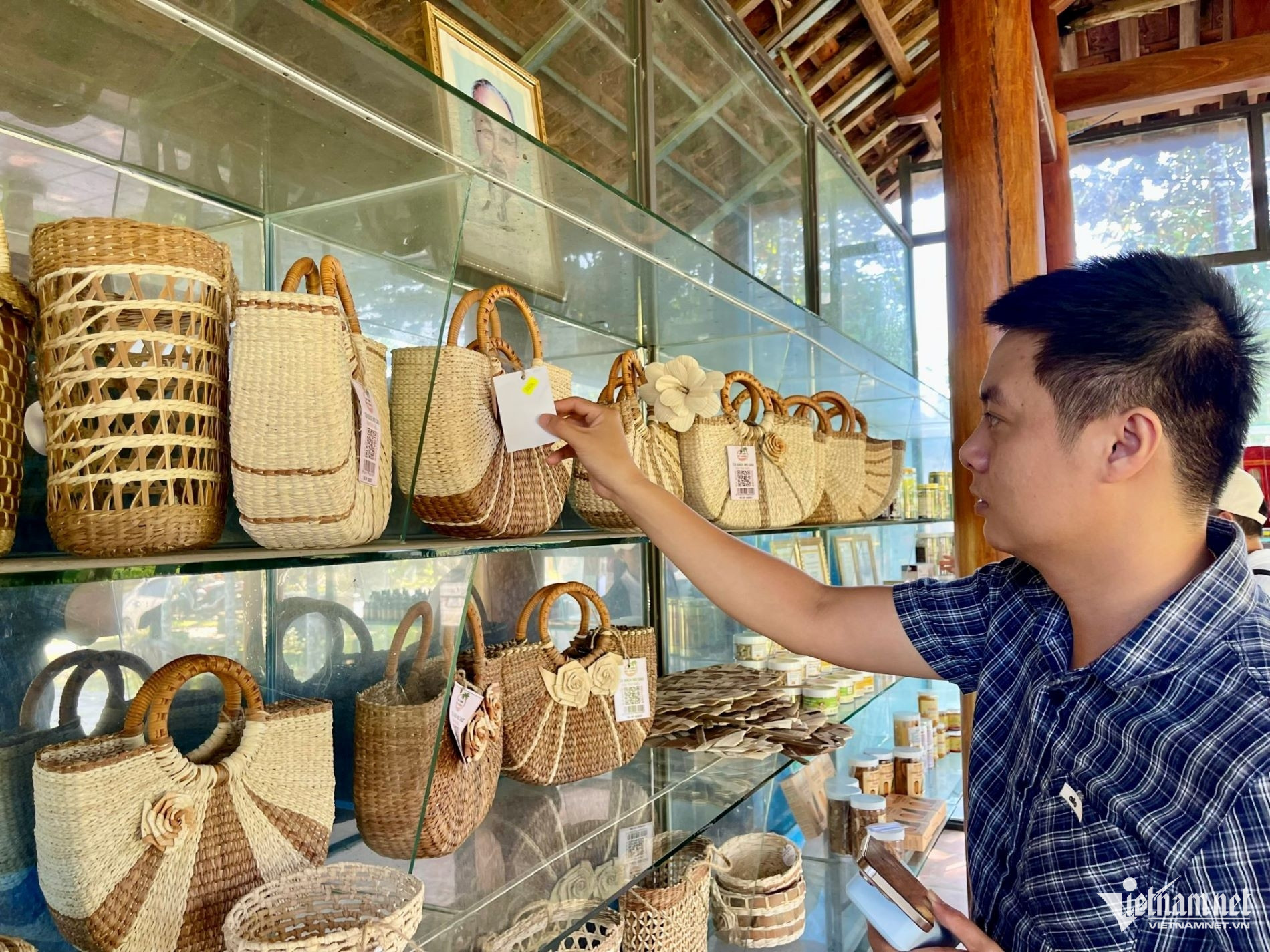
Inside a handicraft showroom in Loc Yen Ancient Village, Thanh Binh Commune, Da Nang City, Vo Thi Thu Thoi, 48, enthusiastically introduces visitors to an array of products made from areca palm sheaths.
"This is a handbag designed as a souvenir, while that is a multipurpose box for storing cosmetics. Everything is handmade by women from Loc Yen Ancient Village," she tells visitors.
The showroom features a wide variety of intricately crafted products.
Visitors are particularly drawn to lotus flowers made from areca sheaths and arranged in decorative vases. From a distance, the arrangements resemble paintings.
On the shelves below are skillfully woven fans, hats, baskets, trays and other household items in various sizes.
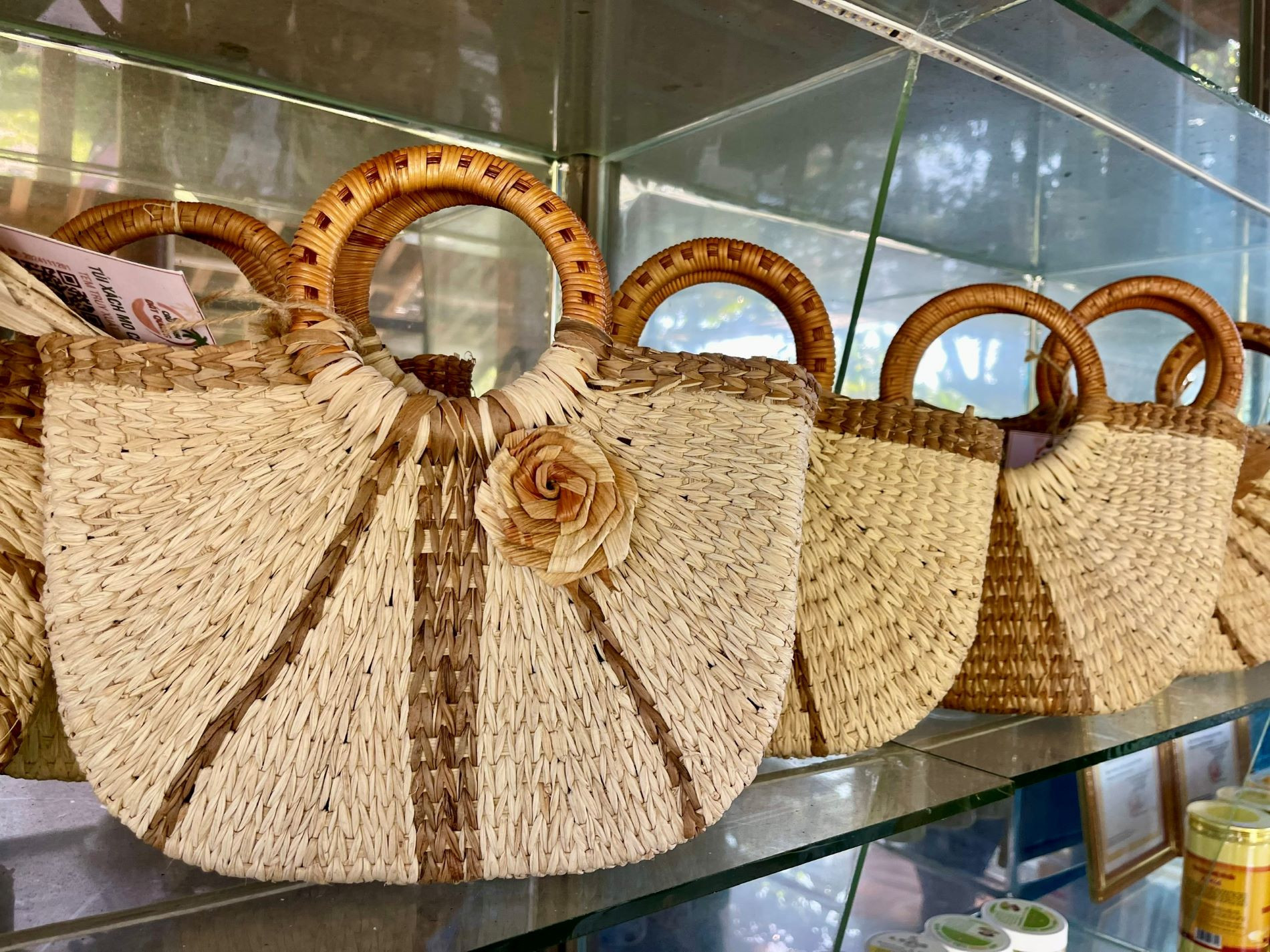
Holding up a handbag, Thoi explains that completing a single piece takes more than a day.
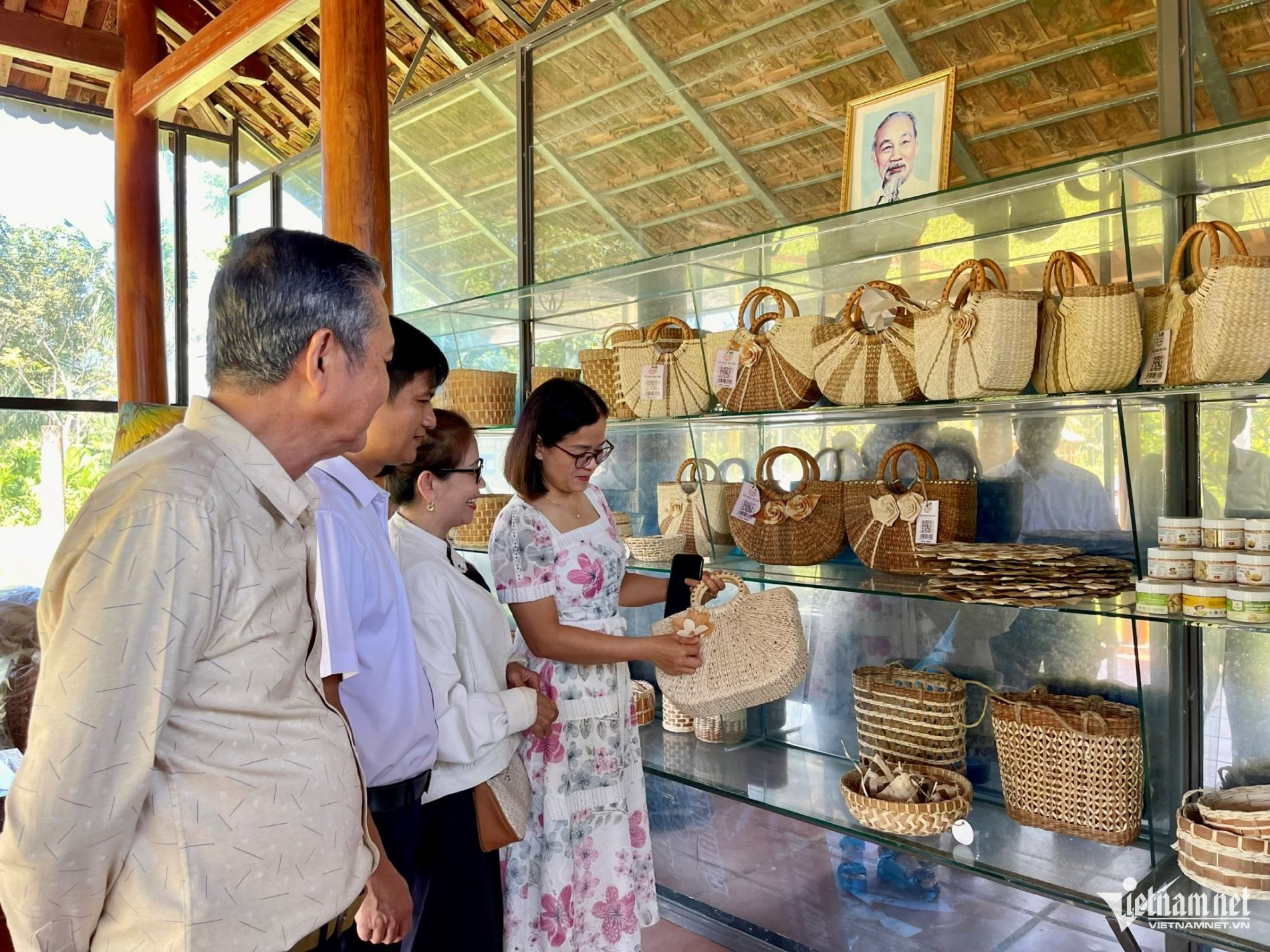
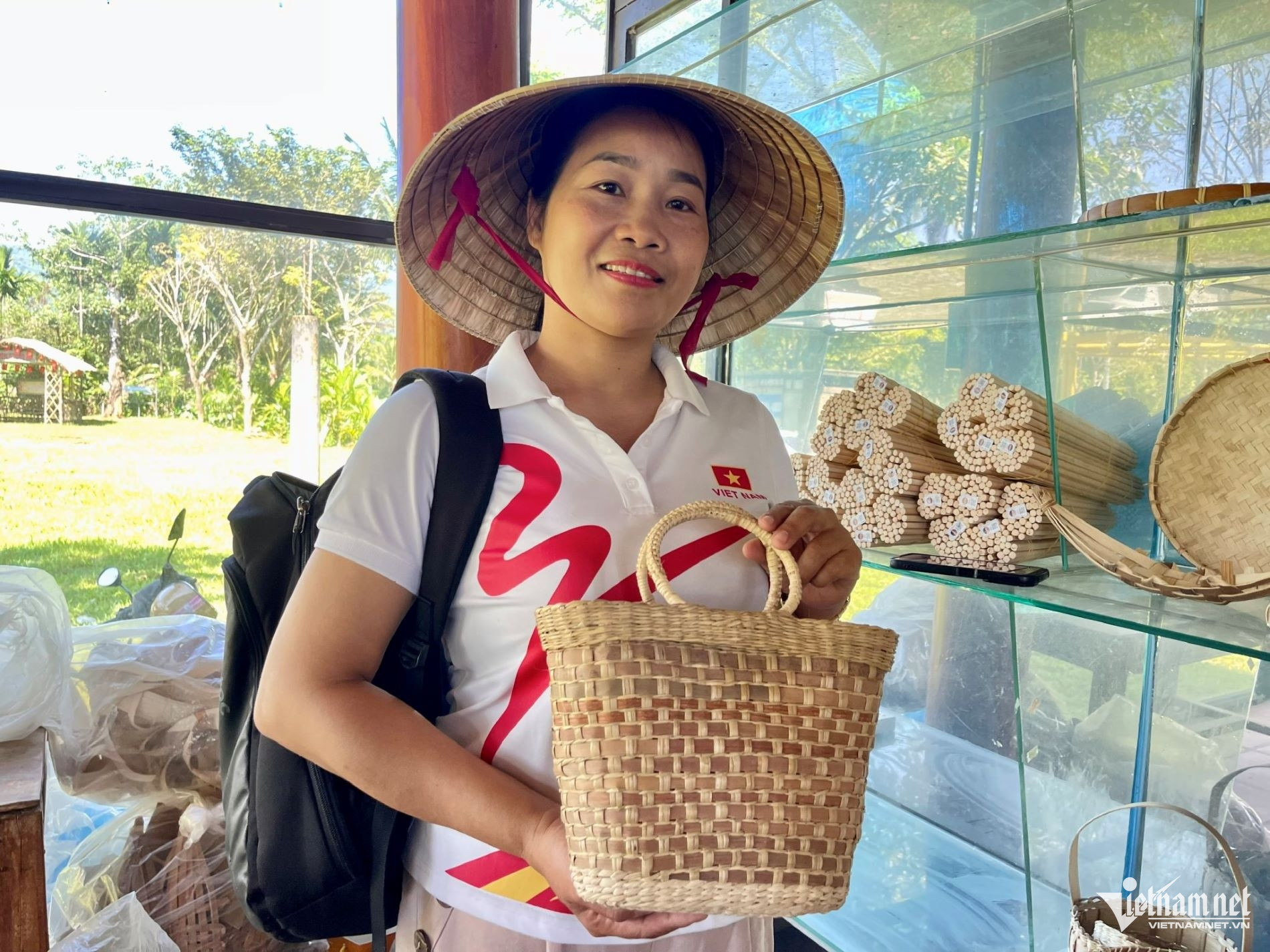
The main material is the sheath of the areca palm, while decorative patterns are created from small pieces of areca husk carefully cut and attached to the surface.
"Each handbag costs around VND 300,000-400,000 ($11-15), depending on its size and the intricacy of the decoration. Everything is handmade, so no two pieces are exactly alike," she says.
Multipurpose storage boxes are simpler to produce, usually taking only a few hours to complete.
Prices range from VND 100,000 to VND 300,000, depending on the size and the amount of work involved.
Other products, including hats, traditional Vietnamese conical hats and decorative lotus arrangements, require more time and multiple production stages, demanding considerable patience and precision.
Thoi's journey into handicraft production began with an experiment.
One day, she decided to try making an object from areca palm sheaths. Her first creation was a small box, followed by a handbag.
As her interest grew, she began producing more items and introducing them to others.
After establishing connections with several buyers and sales outlets, she started teaching other women in the village how to make the products, helping them earn additional income.
In 2023, as the product range expanded, Thoi and several local women established a cooperative specializing in handicrafts made from areca palm sheaths.
Creating livelihoods and attracting tourists to an ancient village
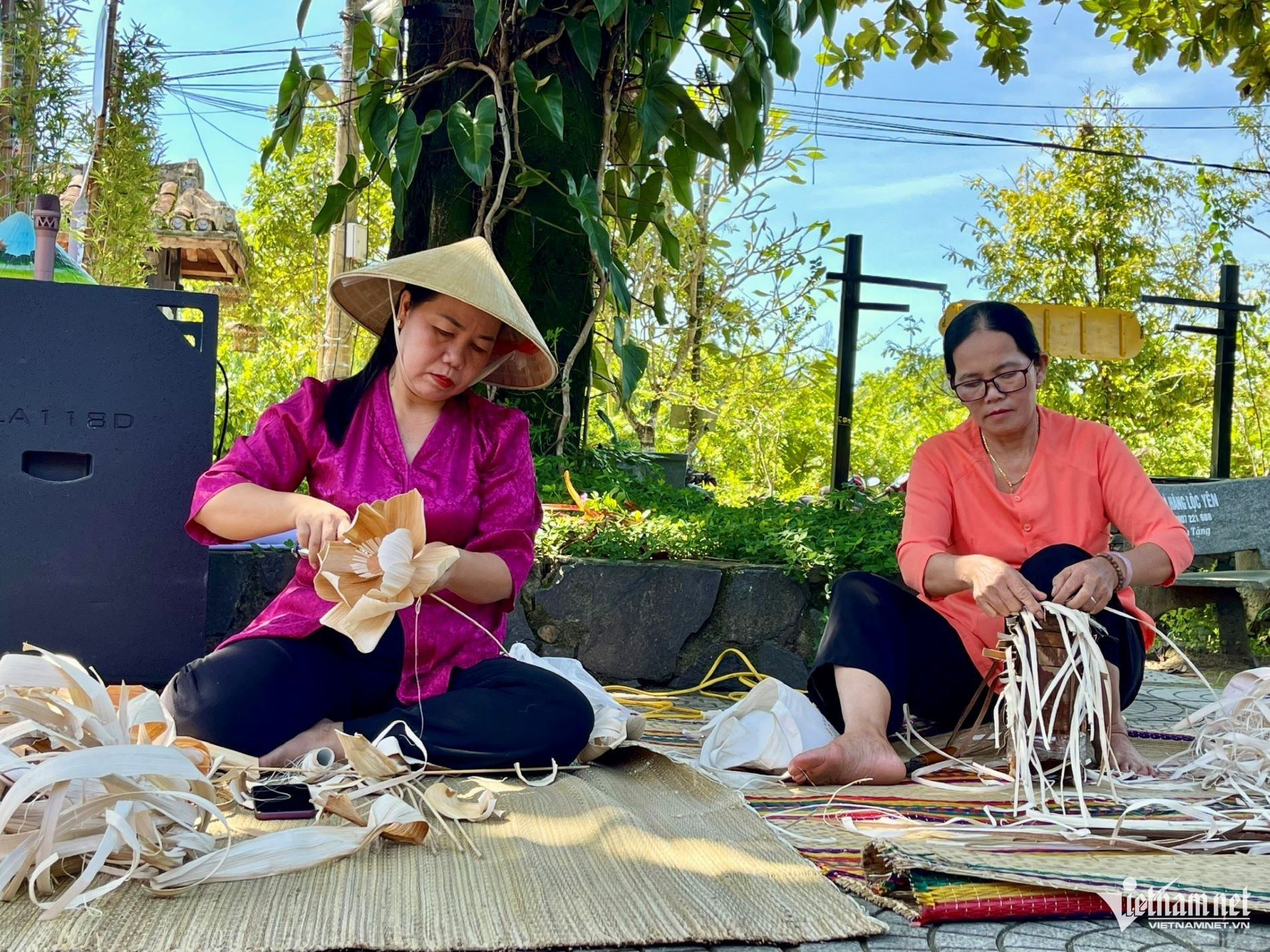
In the spacious courtyard of the Loc Yen Cultural House, Ho Thi Tam, 55, works quickly and skillfully, weaving thin strips cut from areca palm sheaths.
Having practiced the craft for more than four years, she has mastered the techniques needed to create distinctive products, including handbags, hats and decorative lotus flowers.
"The areca sheaths are cut into thin, even strips before weaving begins. A handbag takes almost a full day to finish and sells for around VND 300,000," Tam explains. "Because everything is handmade, we cannot produce as many items as machines can, but each product has its own unique character."
According to Tam, the work is not particularly physically demanding, but it requires patience, diligence and attention to detail to generate a good income.
The craft brings her an additional VND 5-6 million ($190-230) each month.
She spends the rest of her time handling household responsibilities and taking her grandchildren to school.
"More and more tourists are visiting Loc Yen Ancient Village, giving us opportunities to introduce our products and the beauty of our traditional craft to visitors," she says. "It also means we can sell more products and earn extra income."
Dao Thi Hong Nien, 46, has also been involved in the craft for more than four years.
She earns approximately VND 5-7 million ($190-270) per month.
When orders arrive, the cooperative prepares the materials and provides product samples for its members to follow.
Completed items are collected, inspected and delivered to customers.
This arrangement allows the women to manage their own working hours and earn money without having to leave their homes to seek employment elsewhere.
"Each lotus flower sells for around VND 100,000, while a complete flower arrangement costs about VND 2 million ($77). If you work hard, the income can be quite good," Nien says.
According to Thoi, the cooperative currently has 20 official members and works with other residents in the surrounding area to expand production.
Older women or those unable to participate regularly can collect materials and work from home, earning an additional VND 3-4 million ($115-155) each month.
Every stage of production is carried out manually, from cleaning and processing the areca sheaths to cutting them into strips, weaving the desired shapes and finishing the products.
The cooperative typically receives monthly orders of approximately 200-500 items, depending on the designs requested and its production capacity.
Its main markets are Hanoi and Ho Chi Minh City, where demand has remained relatively stable.
Beyond creating employment opportunities for local women, the handicraft industry is helping promote the image of Loc Yen Ancient Village as a cultural tourism destination.
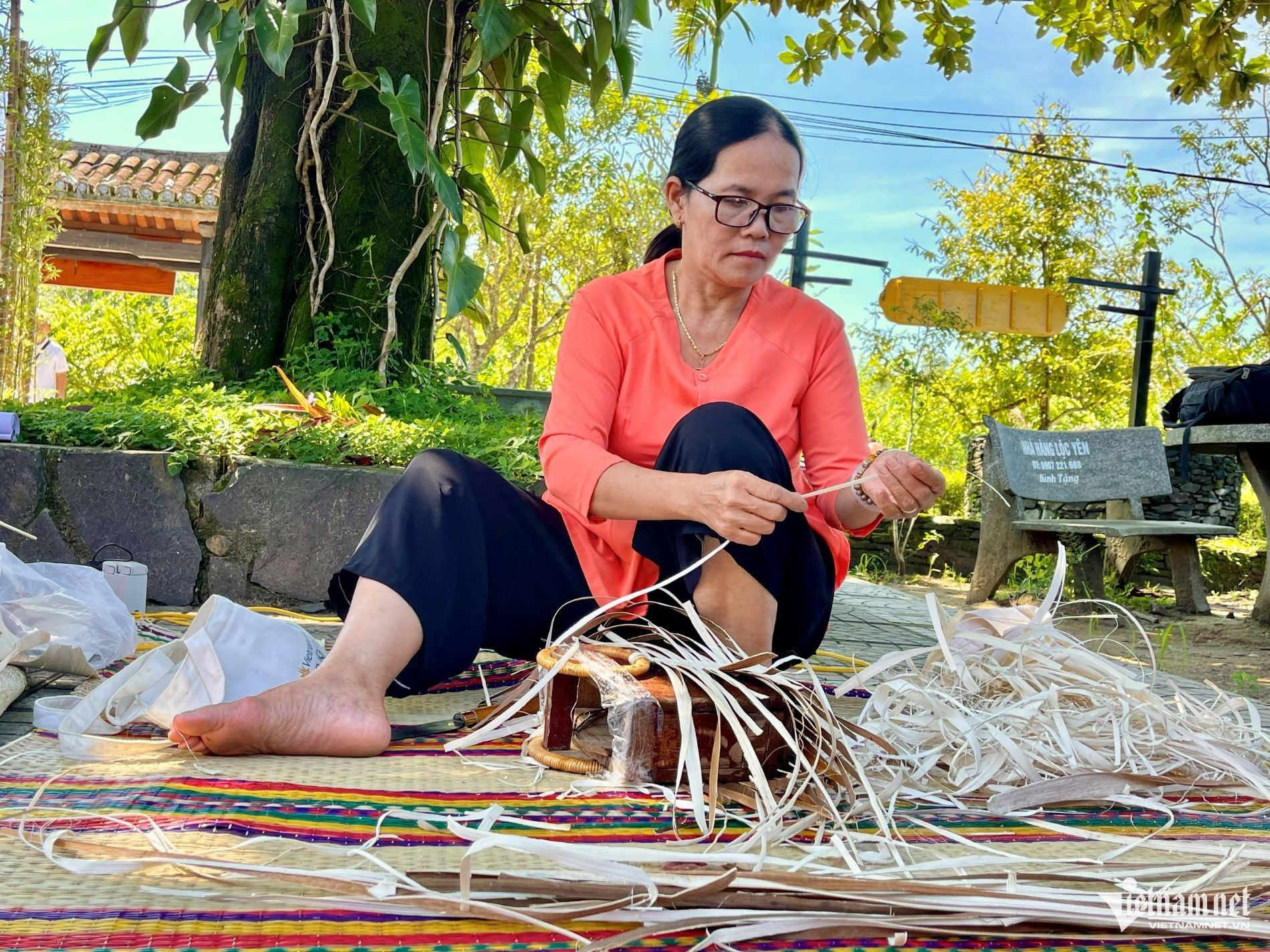
Visitors can learn about the production process, watch artisans demonstrate traditional weaving techniques and purchase locally made souvenirs.
Duong Duc Lin, chairman of the Thanh Binh Commune People's Committee, says developing handicrafts from areca palm sheaths offers an opportunity to combine traditional village tourism with sustainable local livelihoods.
The craft makes use of readily available materials while creating additional employment and income for residents.
"The commune is also promoting areca sheath handicrafts to tourists at festivals and cultural events to expand market opportunities for local producers," Lin says. "At the same time, we are working toward offering visitors hands-on experiences in making products from areca palm sheaths."
By transforming an abundant natural material into attractive handmade products, the women of Loc Yen are creating new sources of income while adding another distinctive attraction to their historic village.
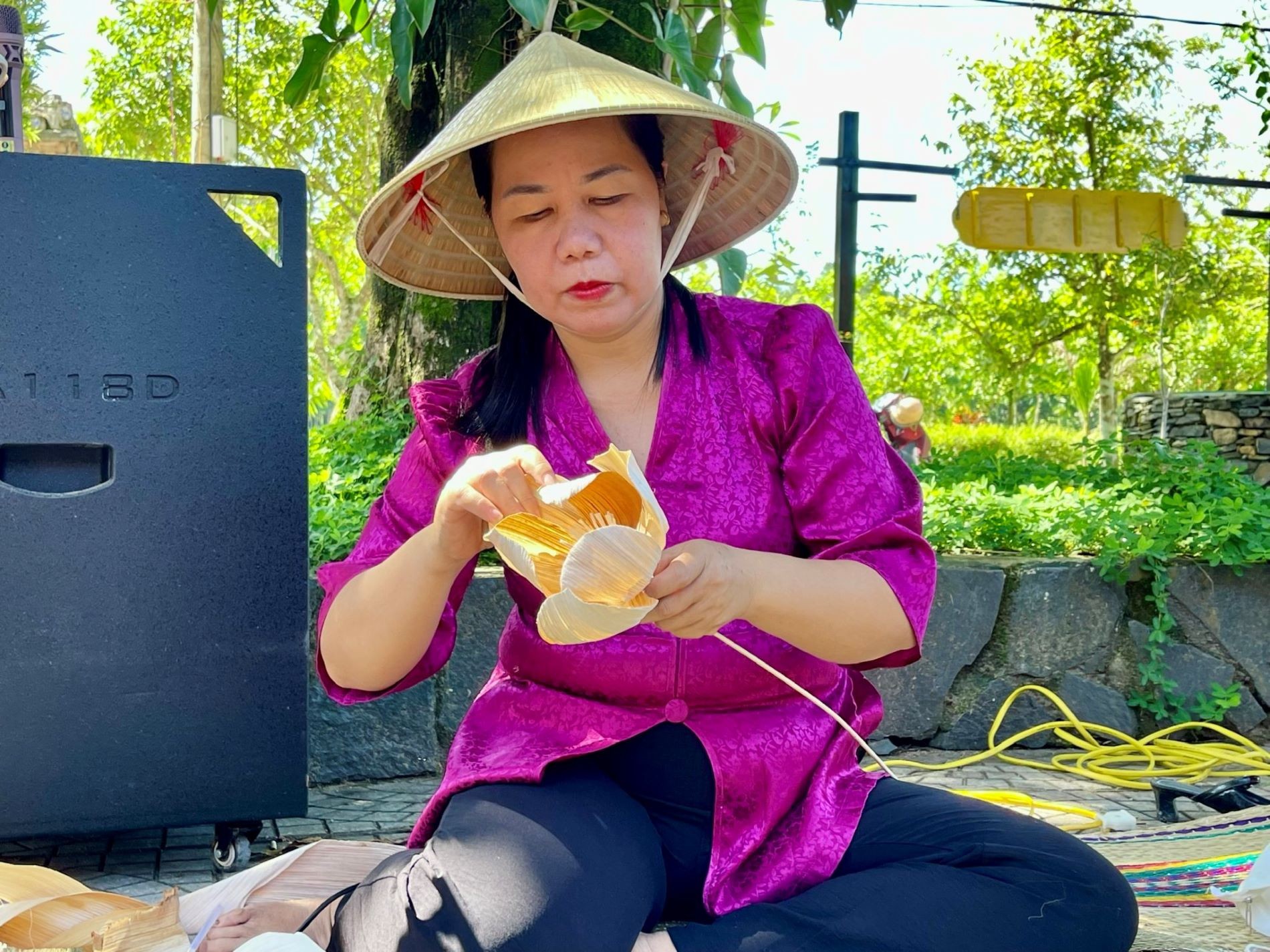
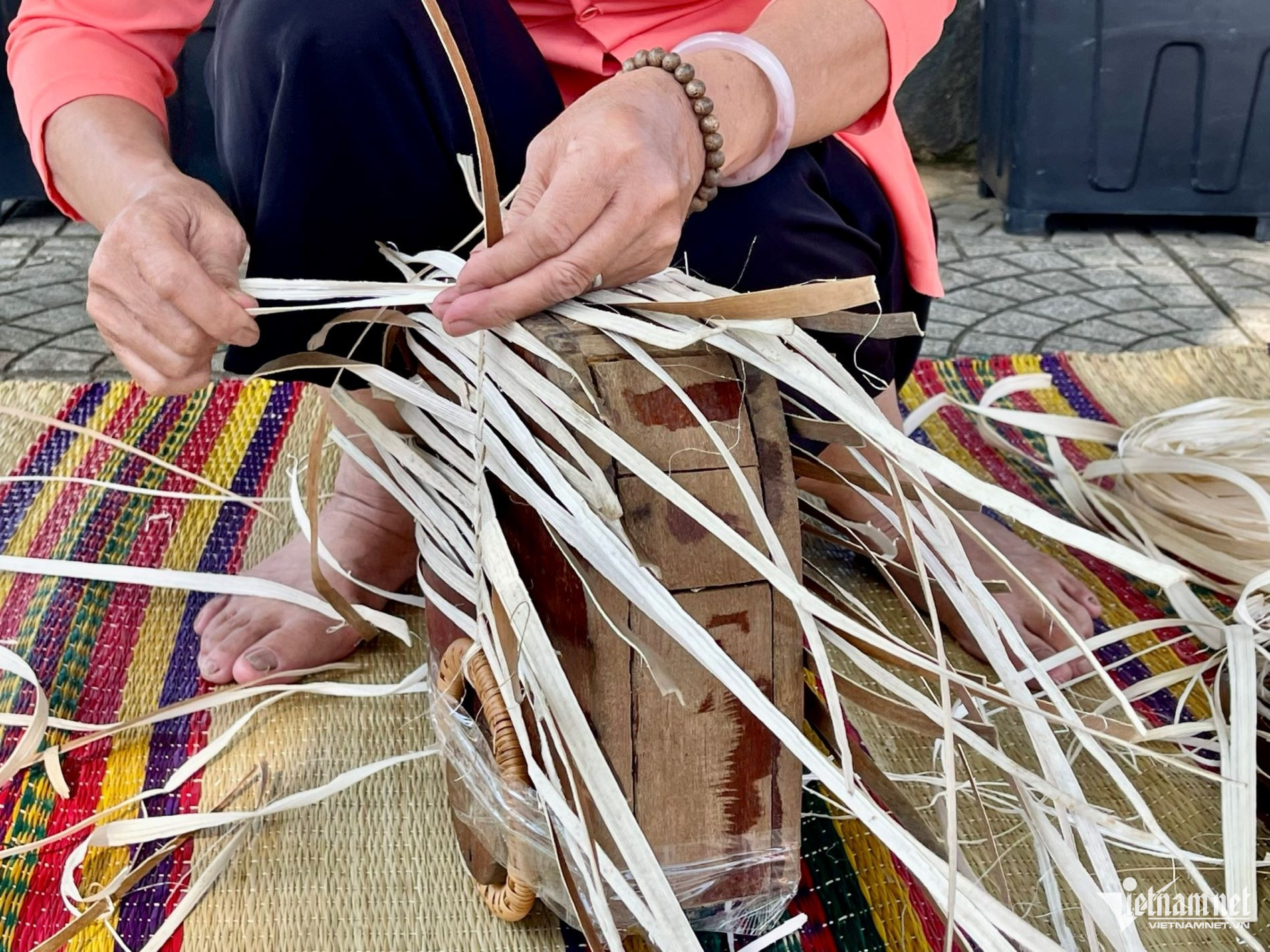
Areca sheath handicrafts provide additional income for many women in Loc Yen Ancient Village. Photo: Huy Truong
Huy Truong

